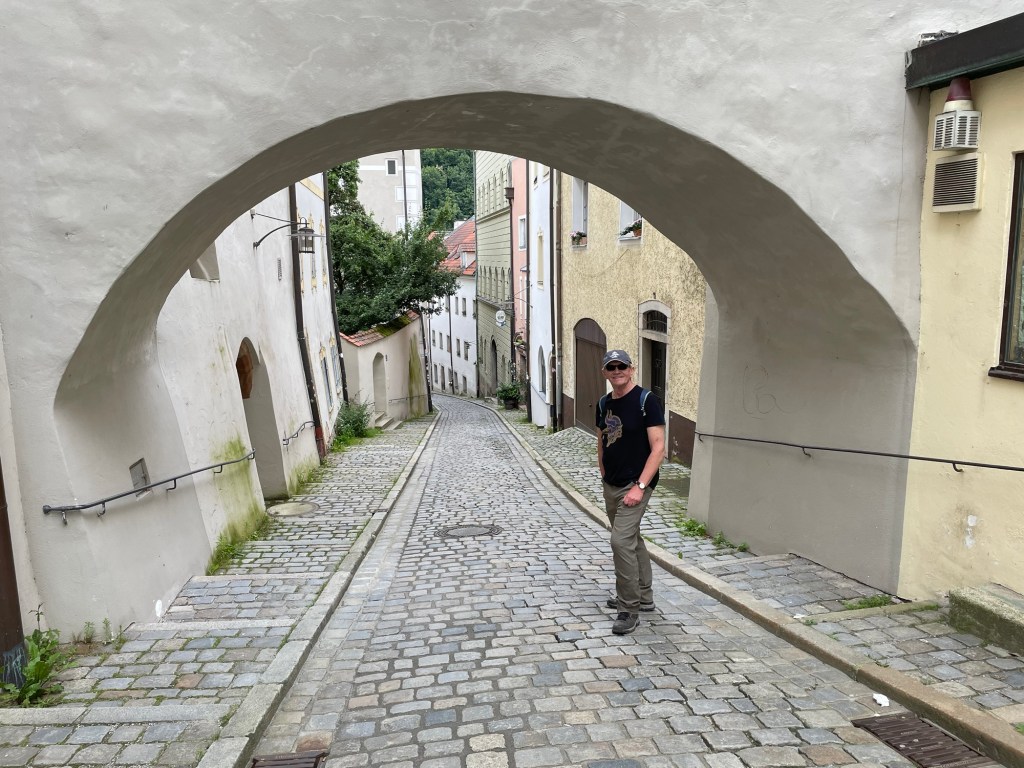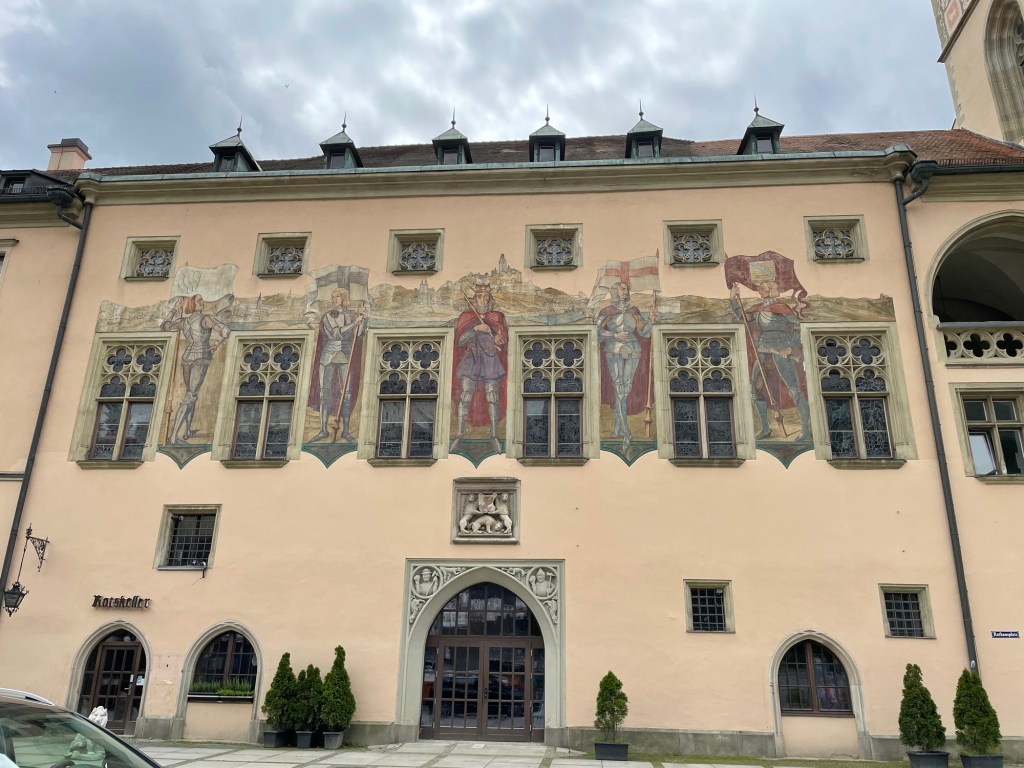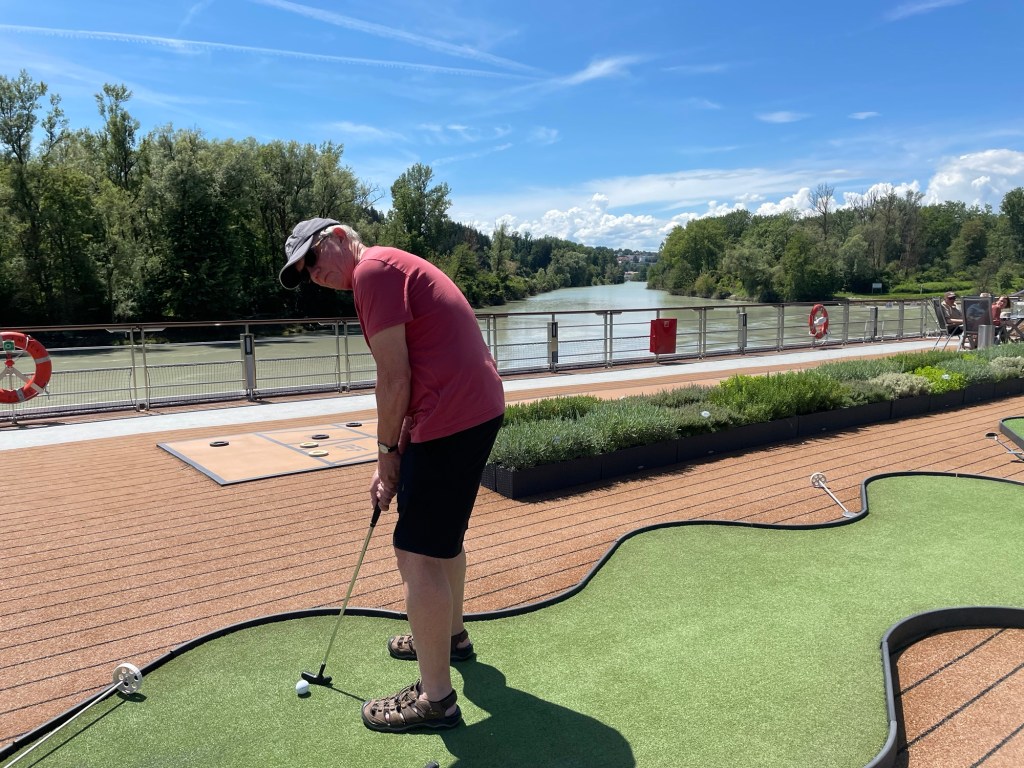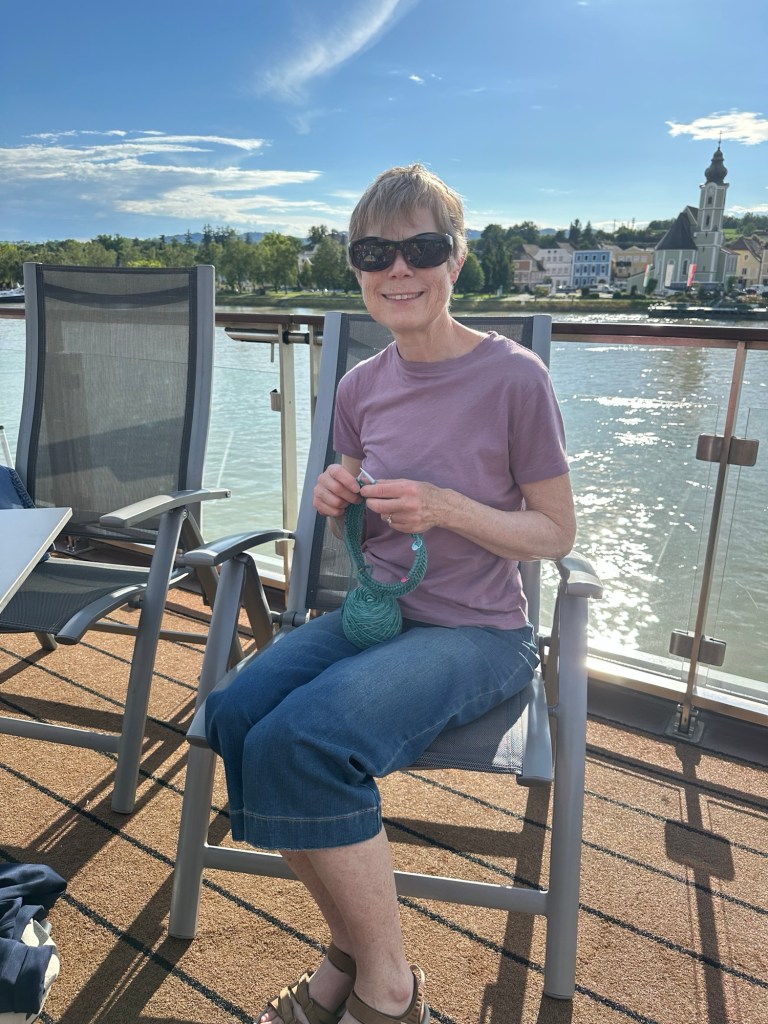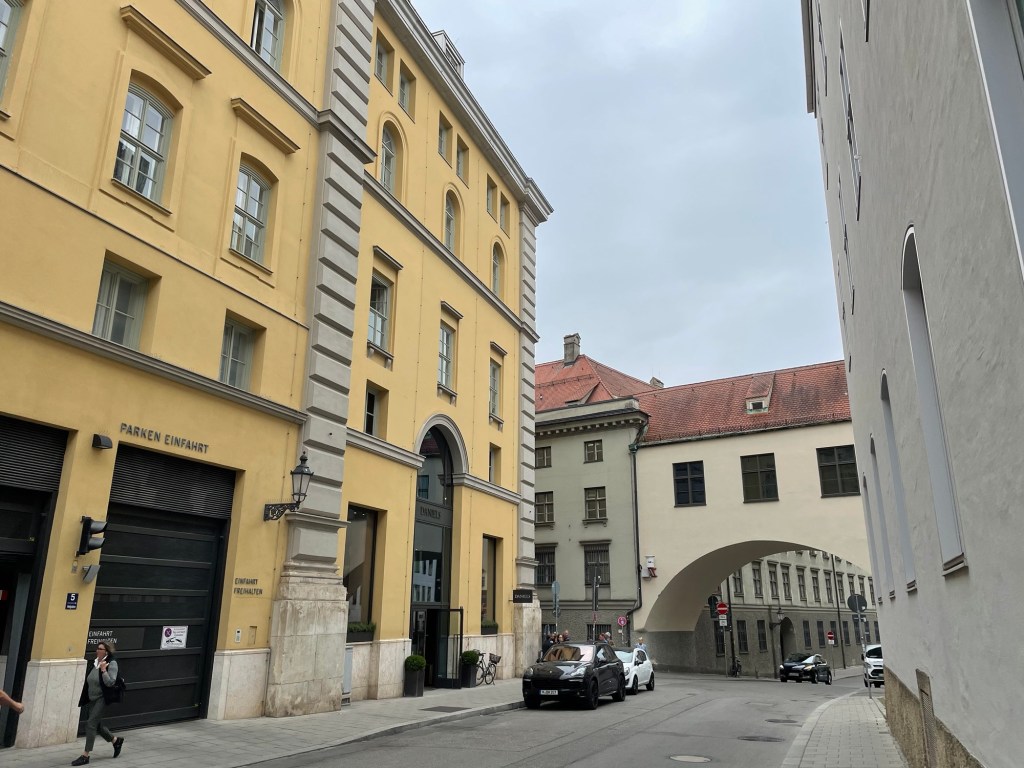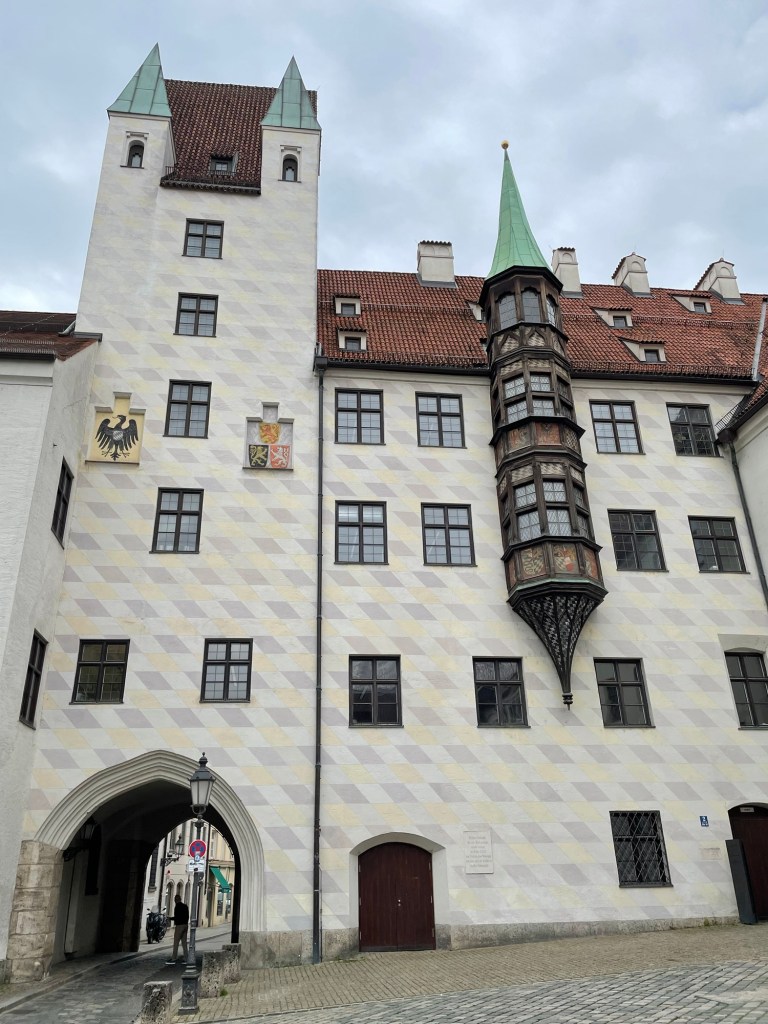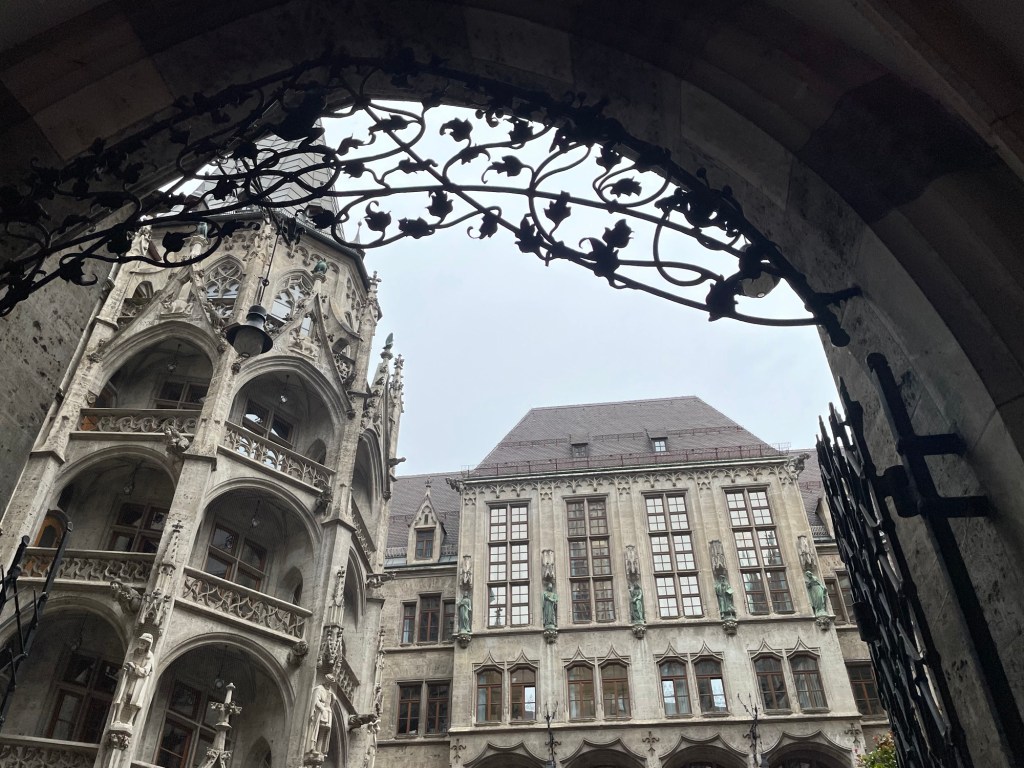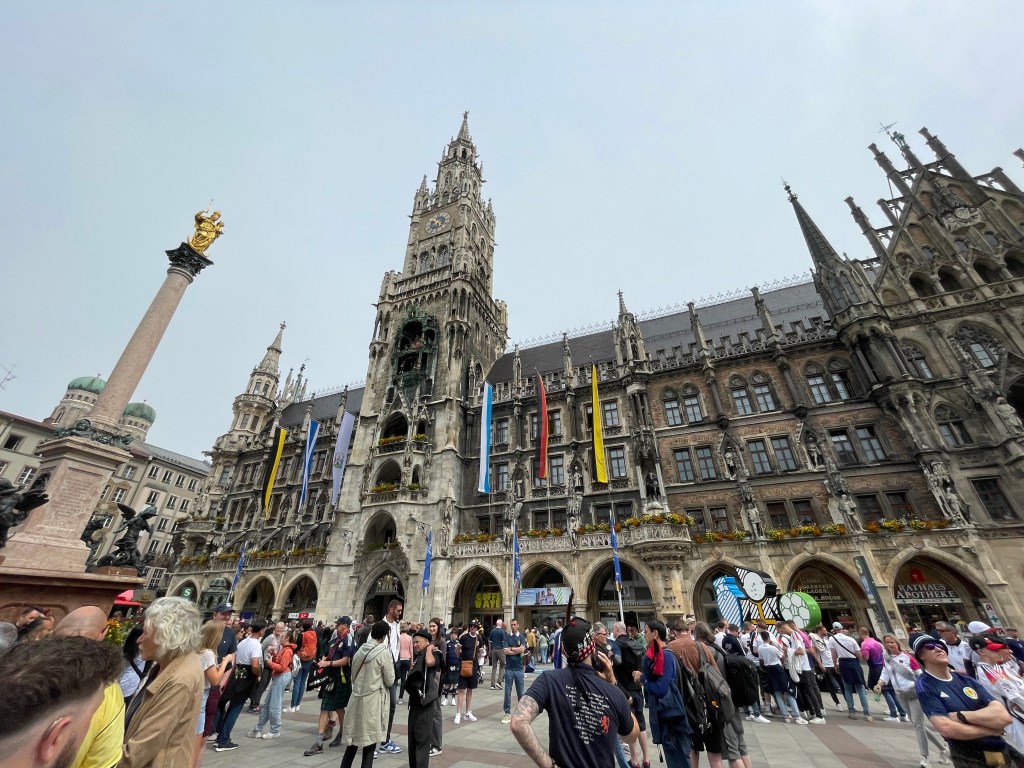
Danube River Cruise Vacation Part 6: Budapest and Getting Home

This post is the sixth, and last, in a series about the Danube River Cruise vacation we recently went on with Wayne’s two sisters and their husbands. Click here for the link to Part 1: Planning and Getting to Munich. Click here for the link to Part 2: Our Day in Munich. Click here for the link to Part 3: Harburg Castle, Rothenburg, Getting to Passau. Click here for the link to Part 4: Passau, Linz and Krems. Click here for the link to Part 5: Vienna and Bratislava.

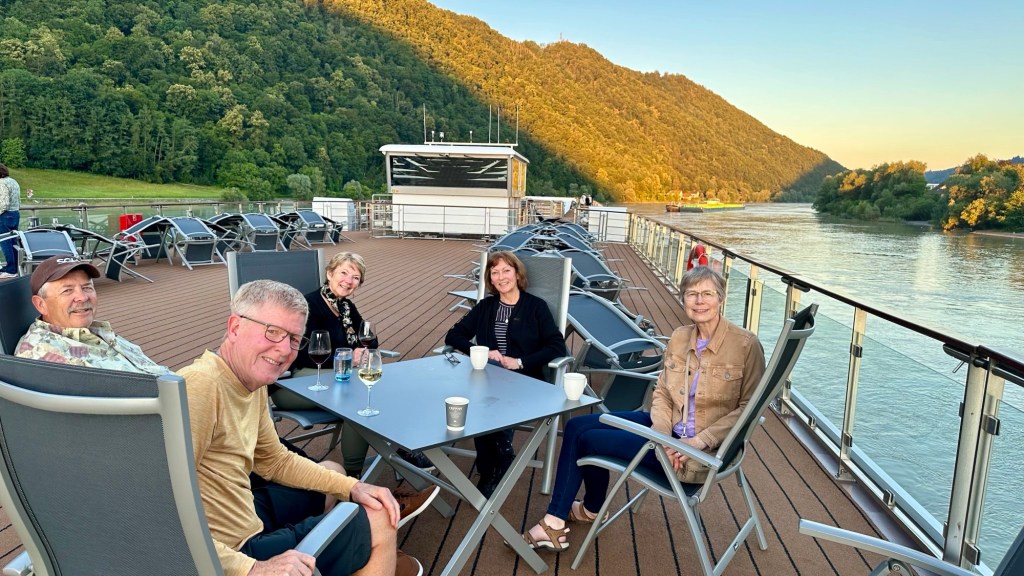
We got back from this trip near the end of June, and it is already hard to remember the details. On day six of the cruise, the ship left Bratislava, sailing all afternoon and evening. The following photo was taken with Marlene’s phone at the beginning of the cruise, but we can pretend it was on the way to Budapest. There were a few times when the top deck was a little crowded, but many times hardly anyone was there.

Relaxing on the top deck

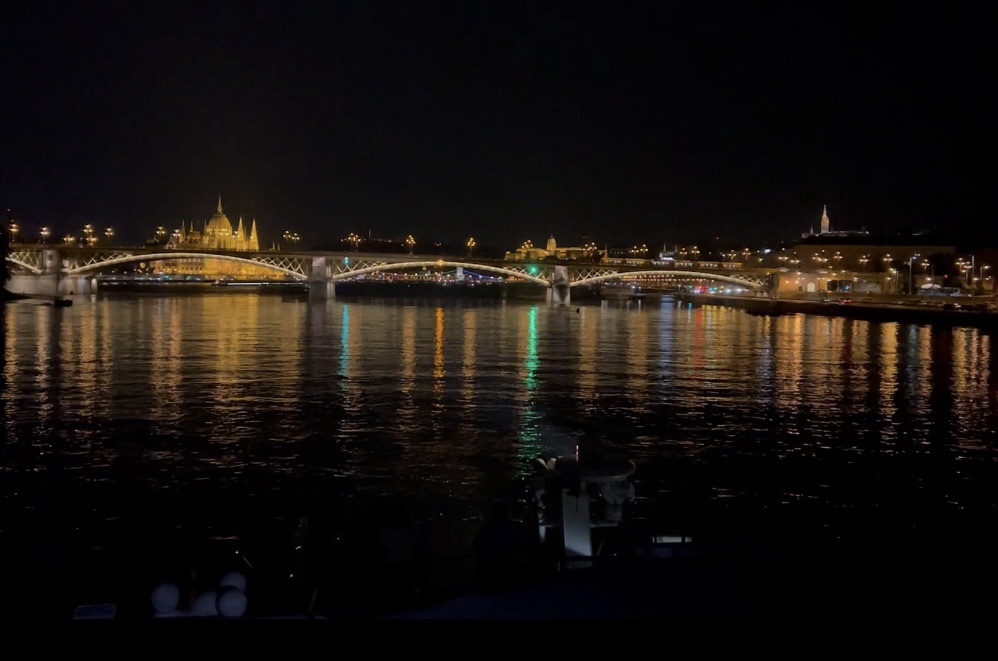
The ship sailed into Budapest at 10:00 pm in order to view all the bridges and buildings lit up spectacularly, while the cruise director provided commentary on the sights. The free bus and walking tour was the next morning, with time on our own in the afternoon. After a full day in Budapest and a second night on the ship there, it was time to disembark and head to the airport for home.

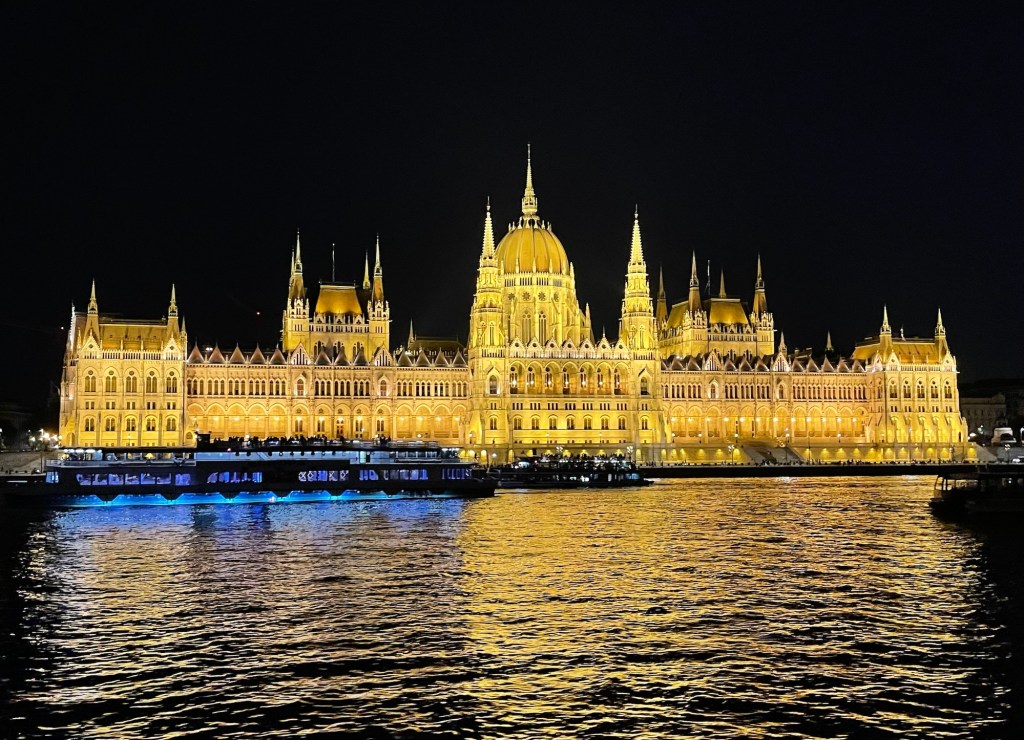
The next two photos were taken as we sailed into Budapest. Wayne took the first one.

Sailing into Budapest at 10:00 pm
Parliament Building

Budapest is made up of two cities, one on each side of the Danube River. The Buda side is hilly, the Pest side is flat and more urban. There are a series of bridges spanning the river, each with its own unique architecture and story. There was a settlement here as early as the fourth century BC. The Romans were here around AD 100. The Kingdom of Hungary was established in the 11th Century.

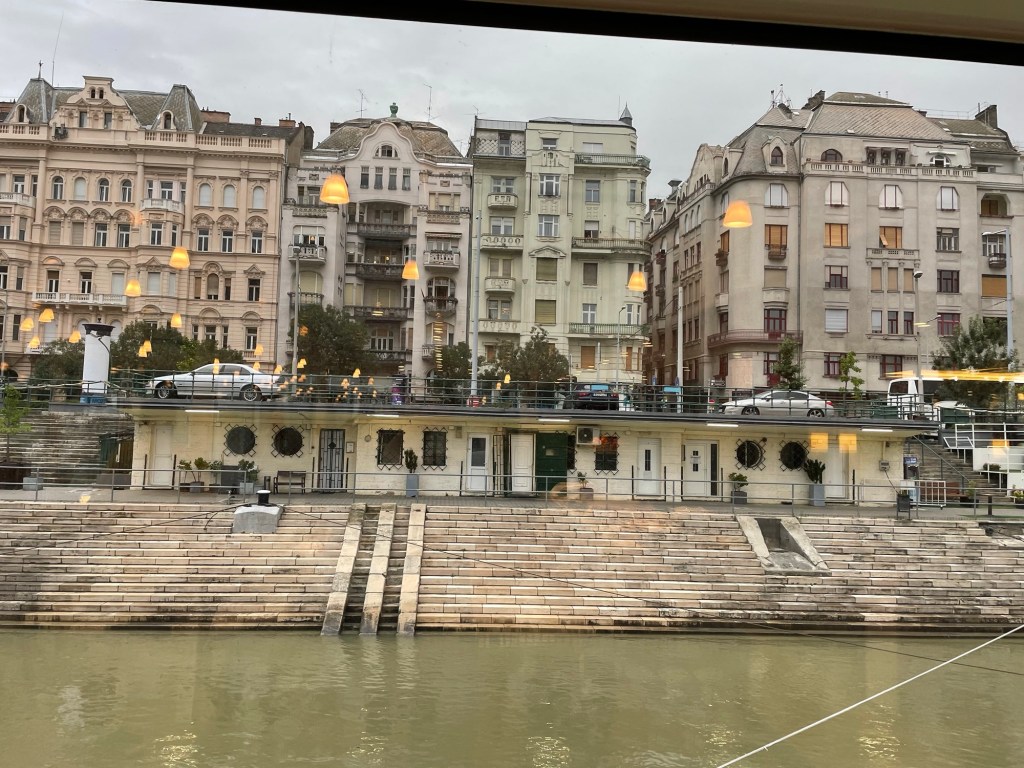
The following photo is the view looking toward shore from our ship.

View from our boat to shore in Budapest

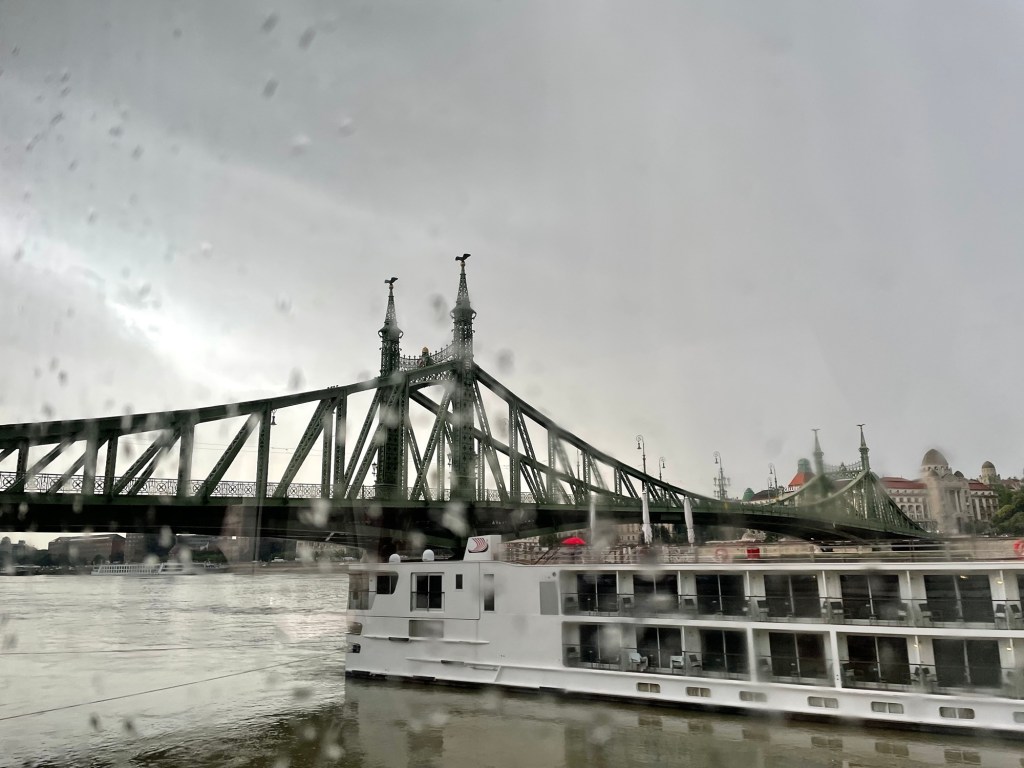
We had prepared for rain on this trip, but we lucked out and most of the time it was dry. It was raining when we went on the bus tour of Budapest. I have included a few photos taken through the bus window in the rain. Apologies for reflections and streaks of water.

Another river cruise boat after passing under one of the bridges
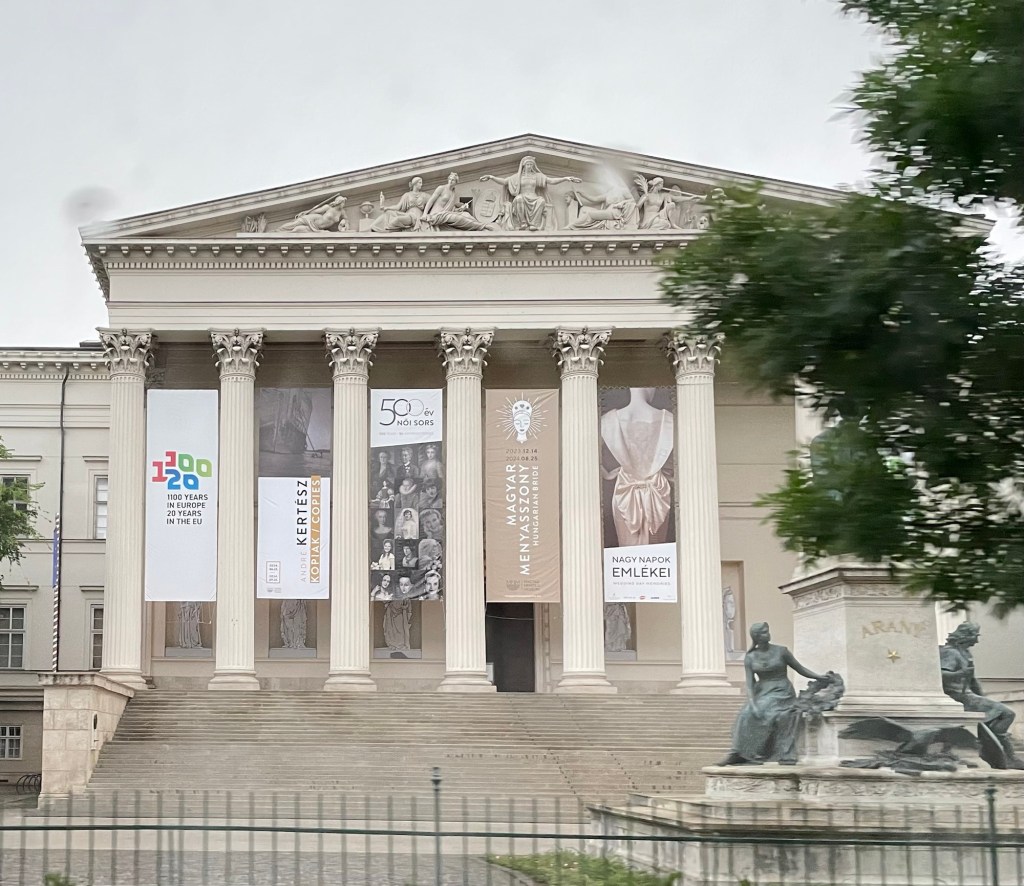
Museum of Fine Arts
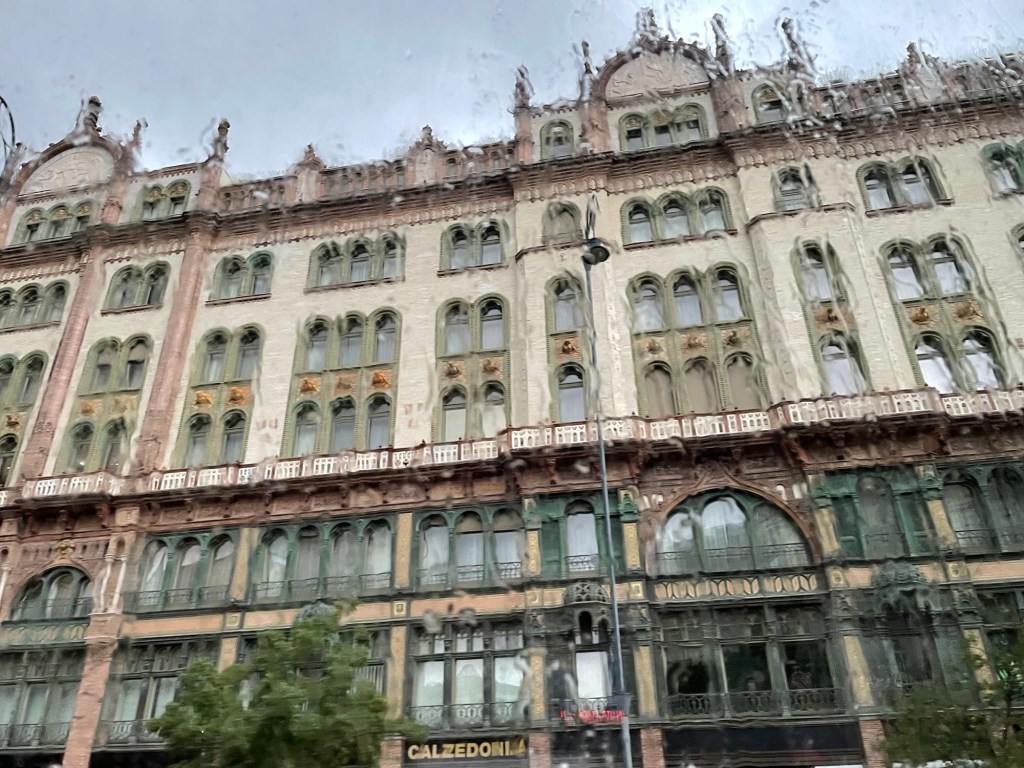
Palace of Exhibitions (modern day art and culture)

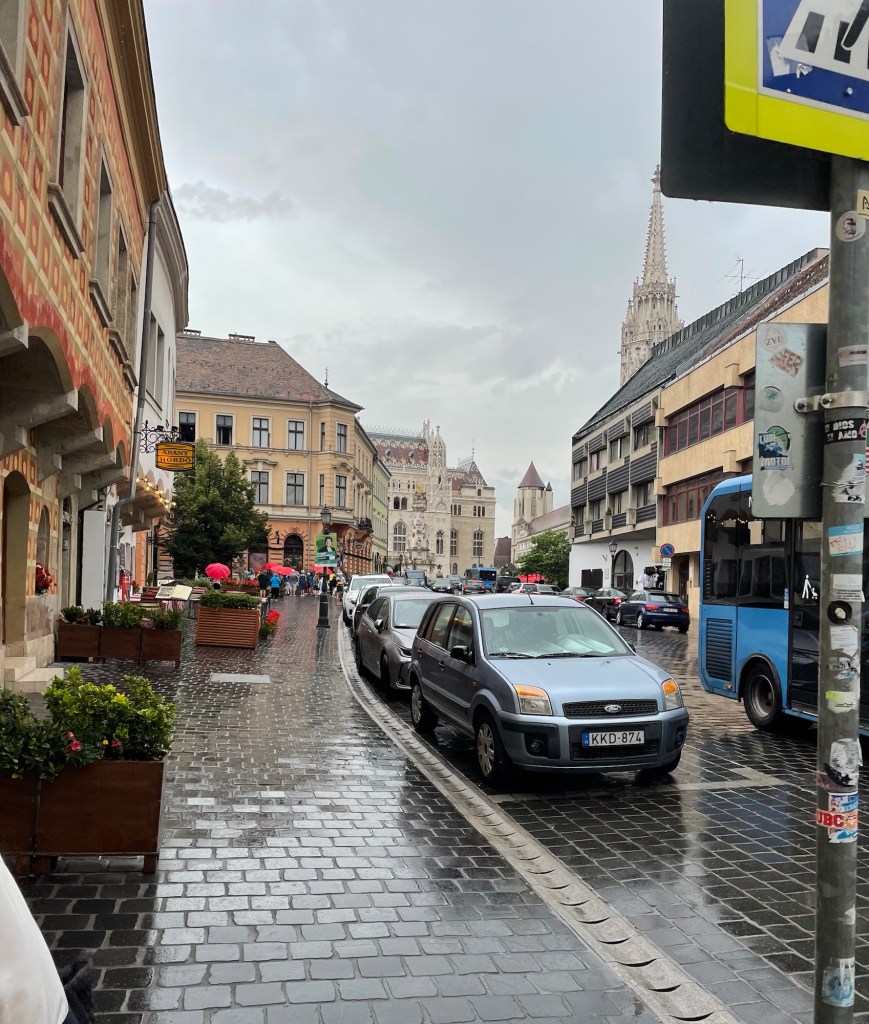
The bus tour took us around on the Pest side of the city, and then across the river to the Buda side. We must have driven by Buda Castle, but I don’t have any photos. The bus dropped us off at Trinity Square, the central plaza of the “Castle Hill” district at the top of the hill, near the castle.

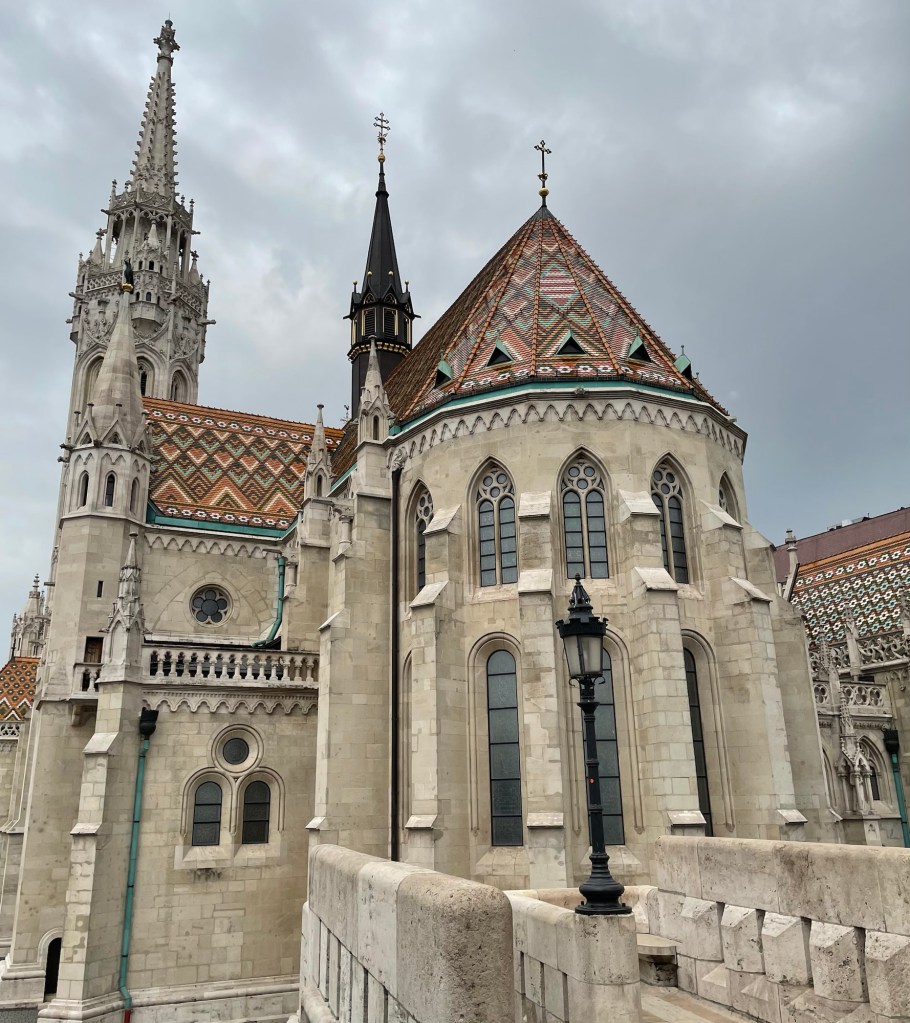
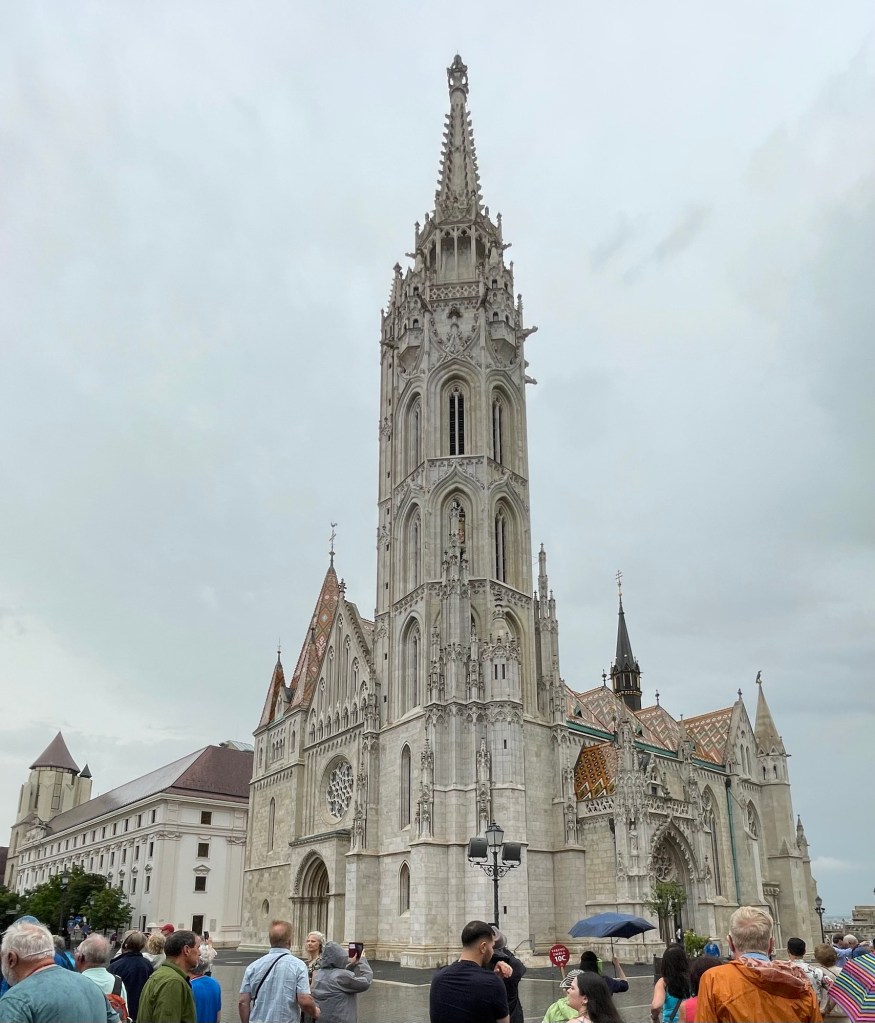
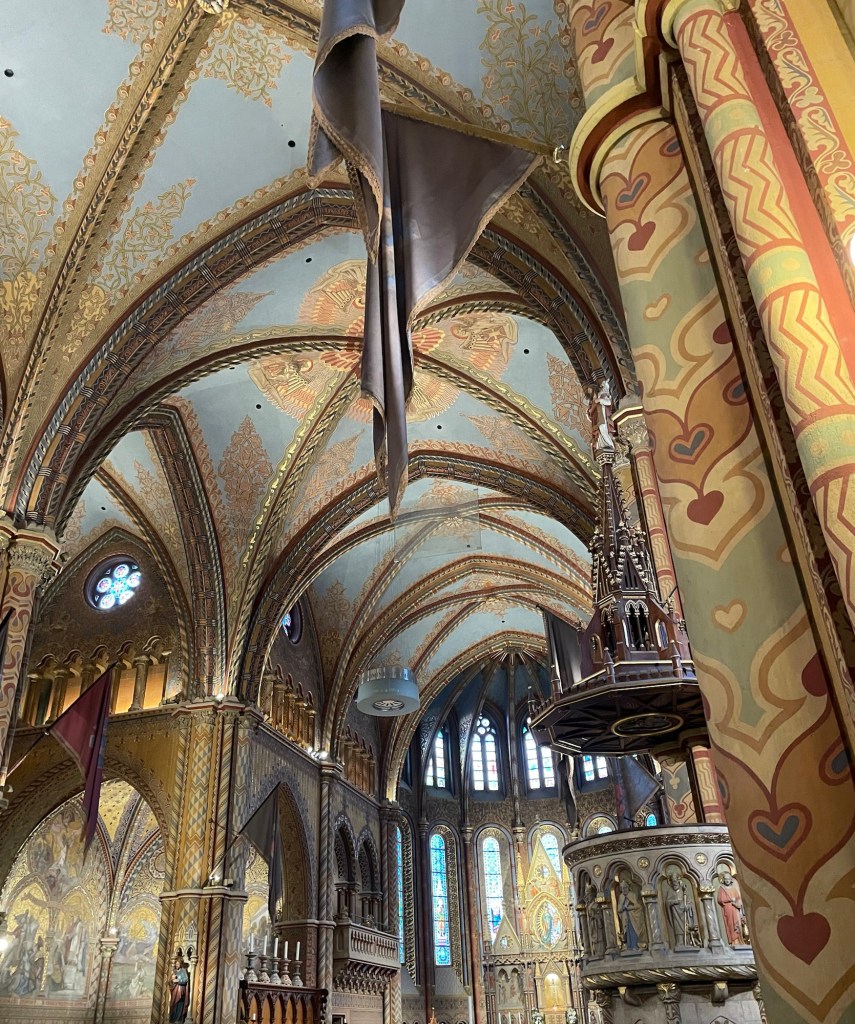
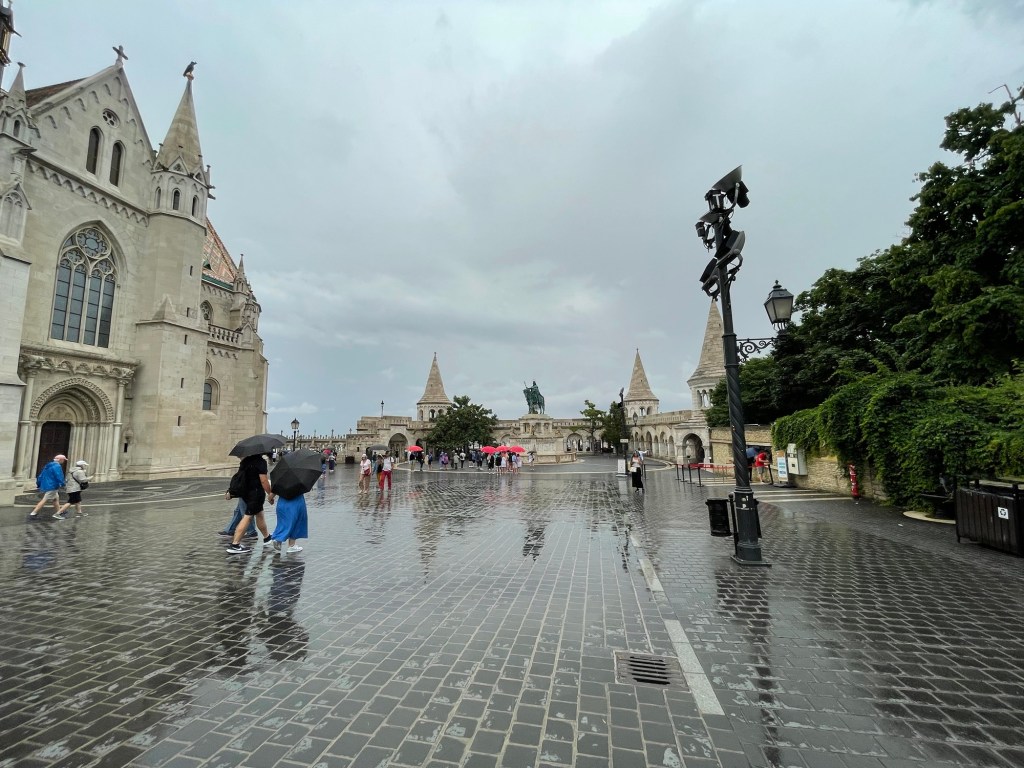
A must see in the Castle Hill area is Mathias Church. By this time at the end of the cruise and after seeing so many cathedrals and churches, most of the passengers were not psyched to go into another one. Trust me, this one is unique. There was a structure built here in the year 1015. The current structure was built in the 2nd half of the 14th century, and there were extensive restorations in the late 19th century. It has changed hands many times and been used for different religions and purposes. During WWII the crypt was used by the Germans as a camp kitchen, and then the Soviets used the sanctuary as a stable for their horses.

Mathias Church
Mathias Church

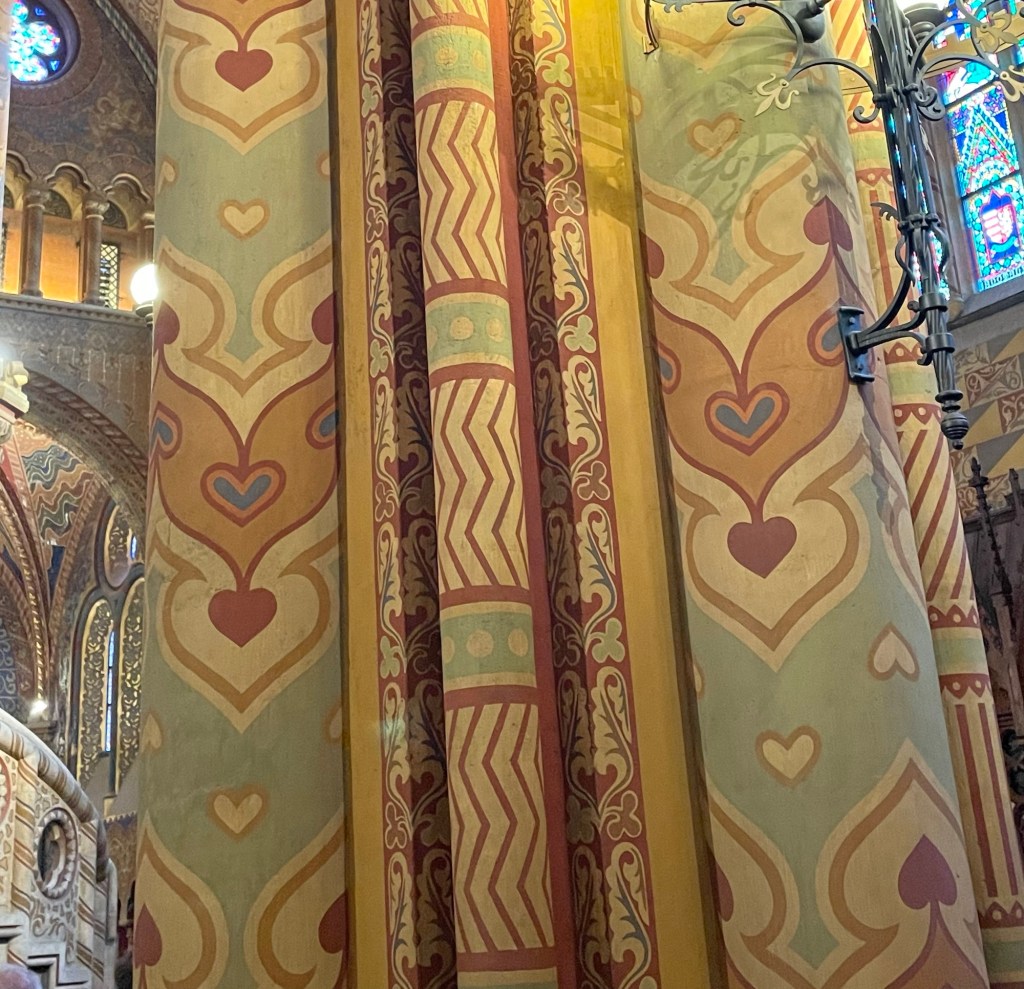
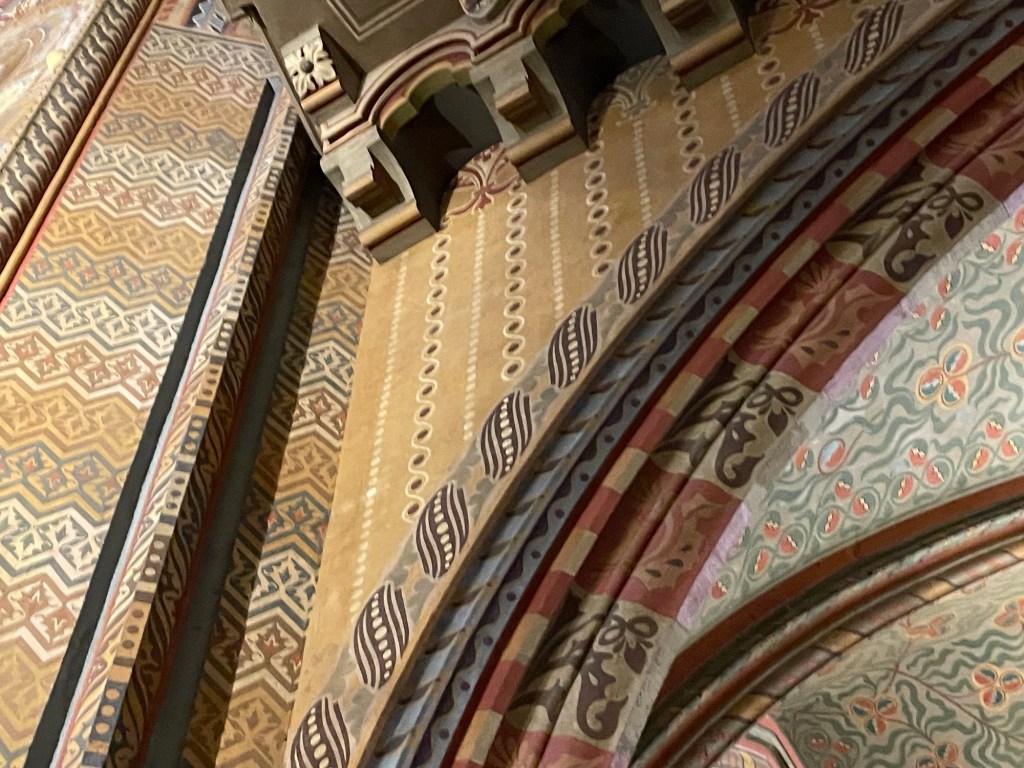
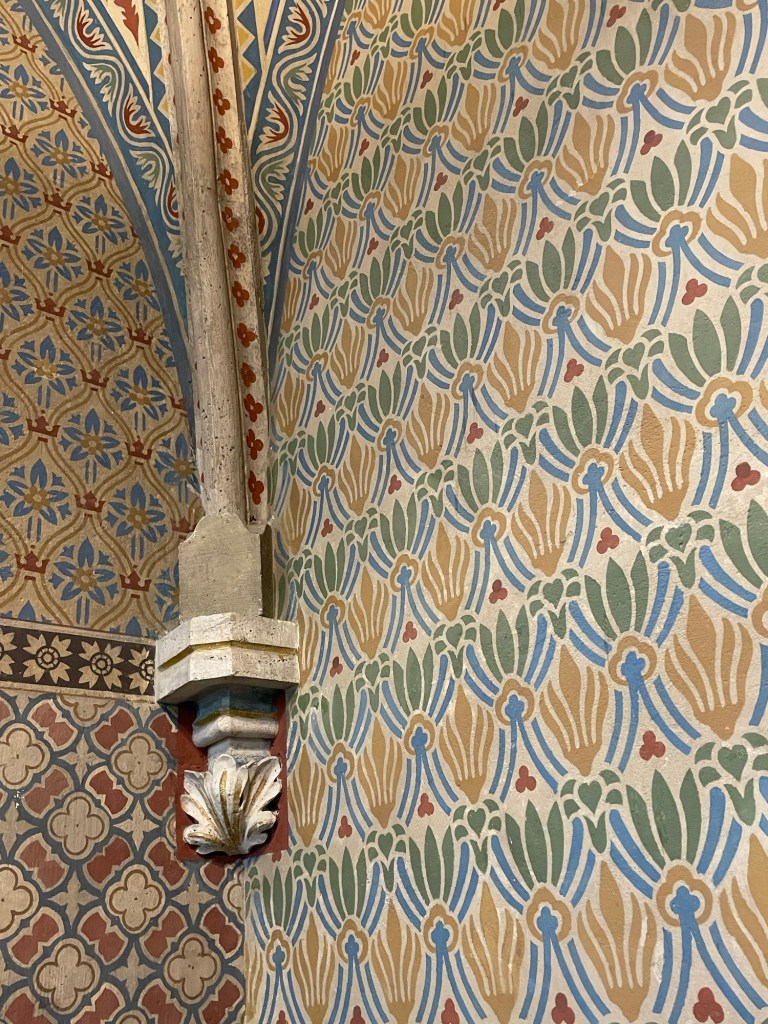
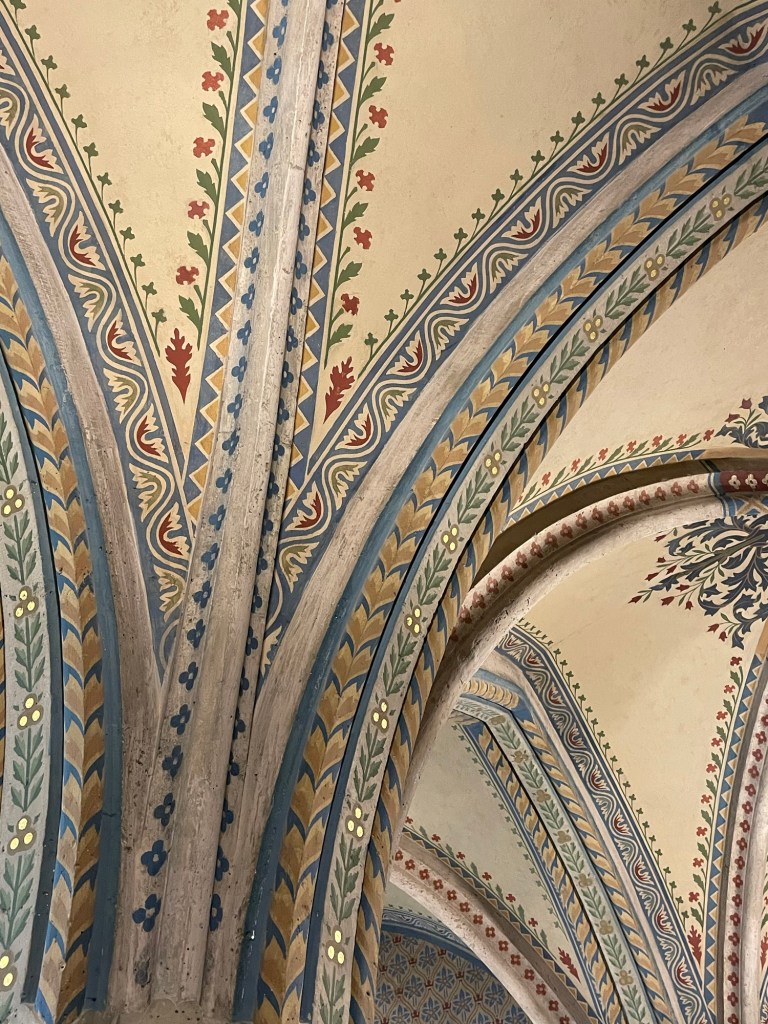
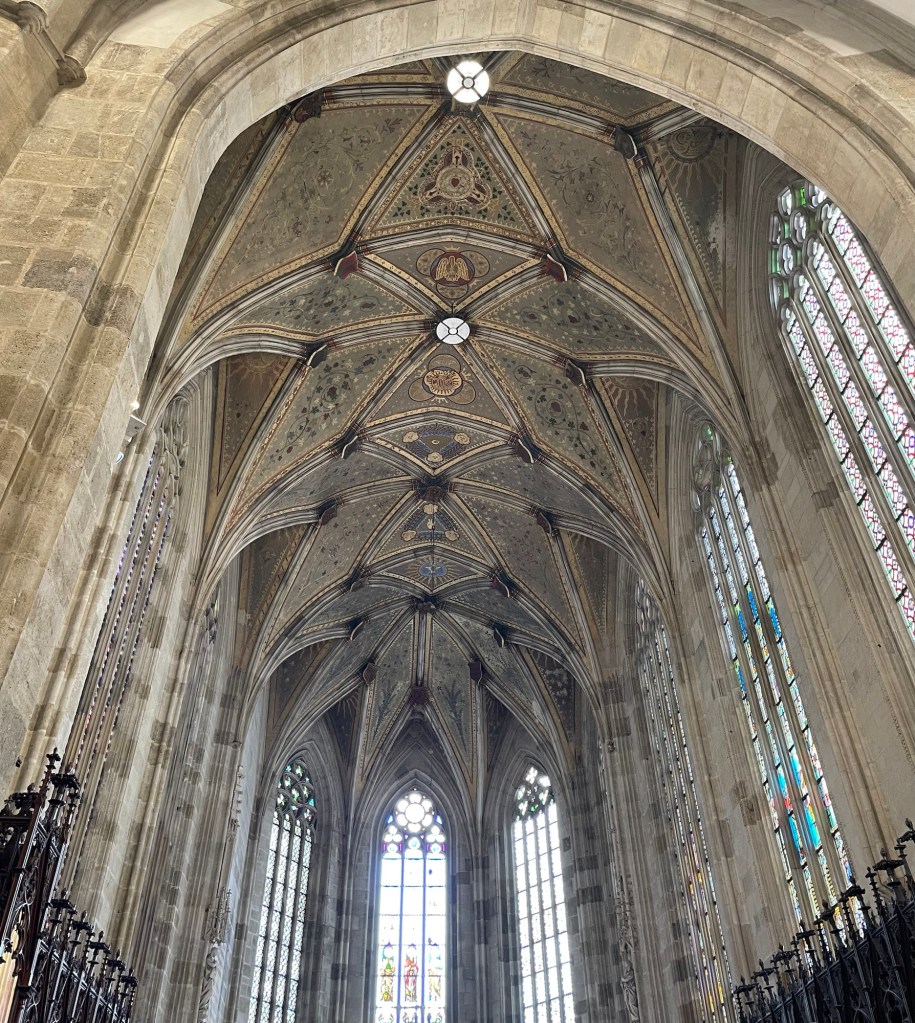
The inside of Mathias Church is different than any other church we saw.

Inside Mathias Church

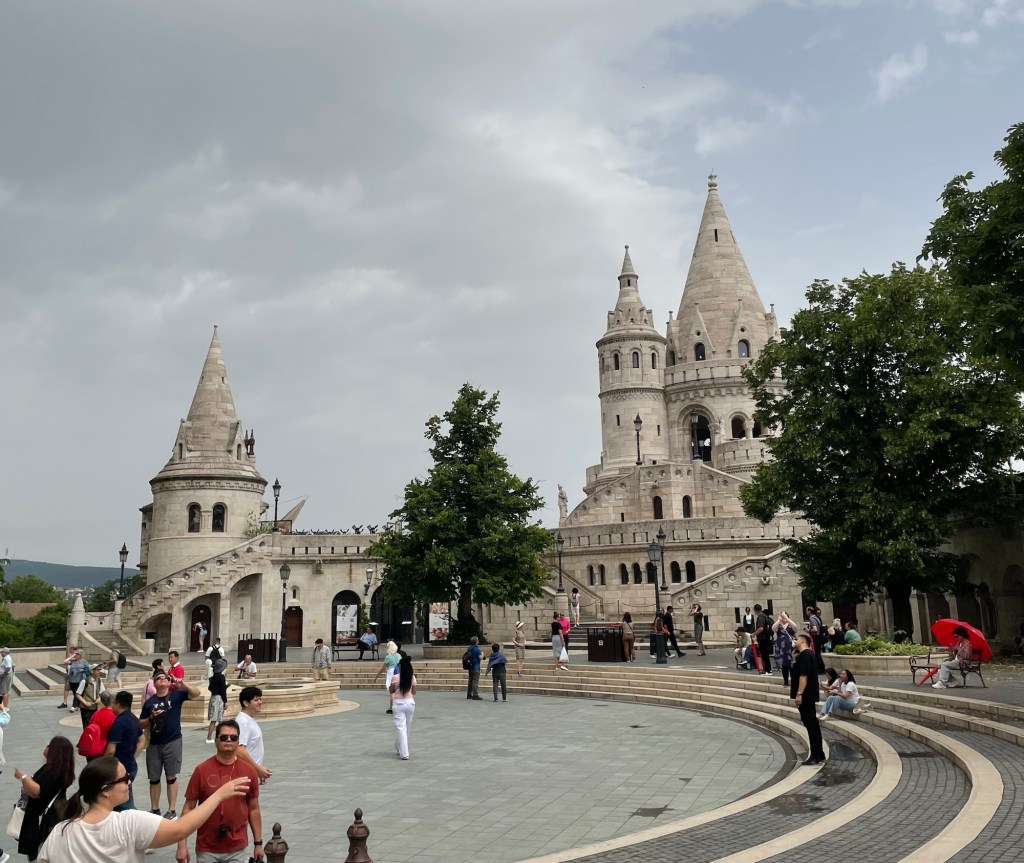
Behind Mathias Church overlooking the river is a plaza and Fisherman’s Bastion. In the middle ages there was a castle wall here. It is said that the Fisherman’s Guild at the time provided protection for the area. Today there is a structure with seven turrets overlooking the river.

Fisherman’s Bastion
Fisherman’s Bastion

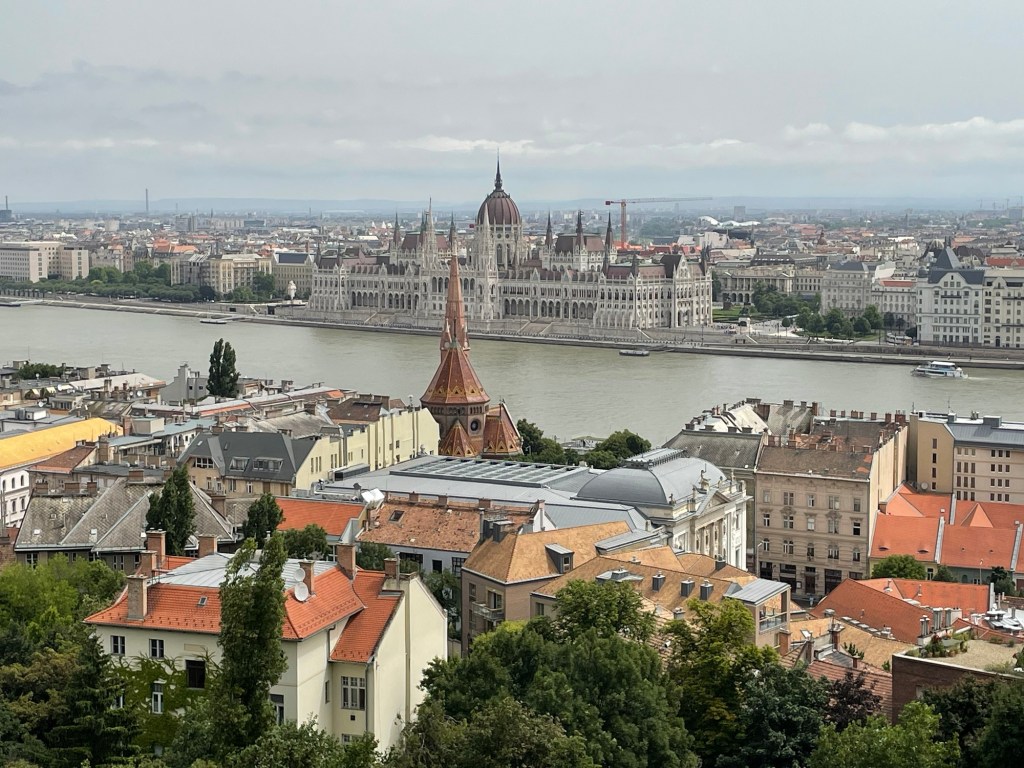
There is an excellent view across the river to the Pest side and the Parliament building from Fisherman’s Bastion.

View from Fisherman’s Bastion

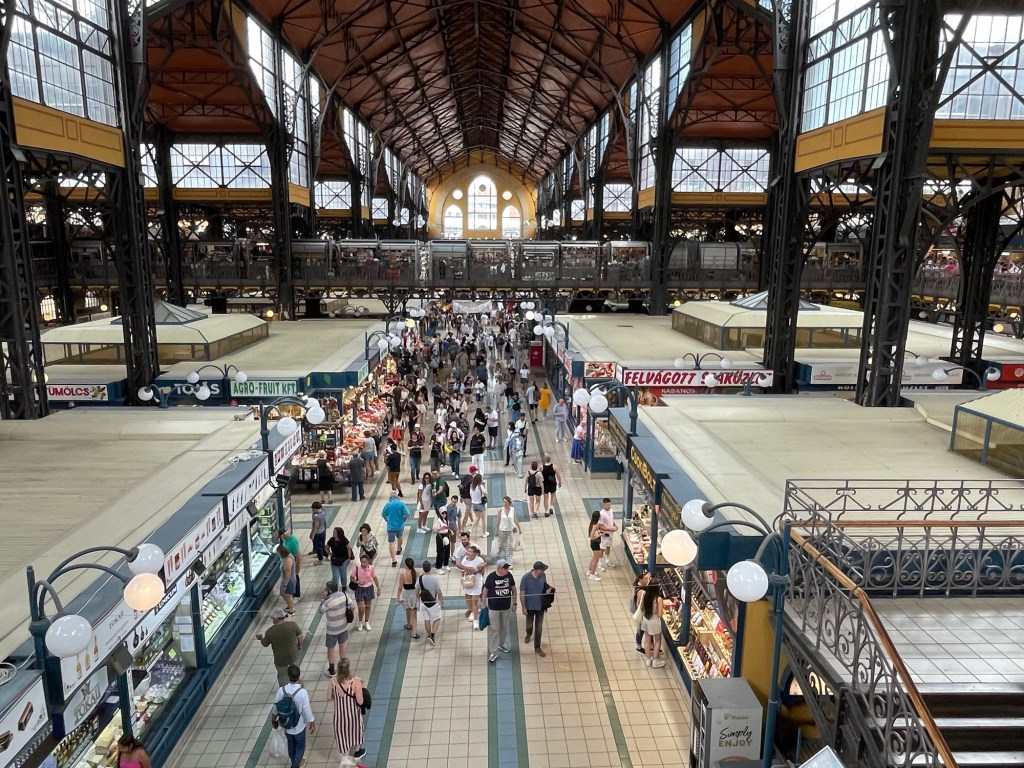
After allowing for time at Mathias Church and Fisherman’s Bastion, the bus took us back to the ship for lunch. We walked around on our own in the afternoon. A few blocks from our ship was Central Market, a big building with two levels of vendor stalls. It looked like a repurposed old train station, but it was built for the purpose in 1897.

Central Market in Budapest

It was very crowded with food stalls and everything Hungarian for sale. It reminded me a little of a fancier version of the Swap Meet in Mesa, Arizona.

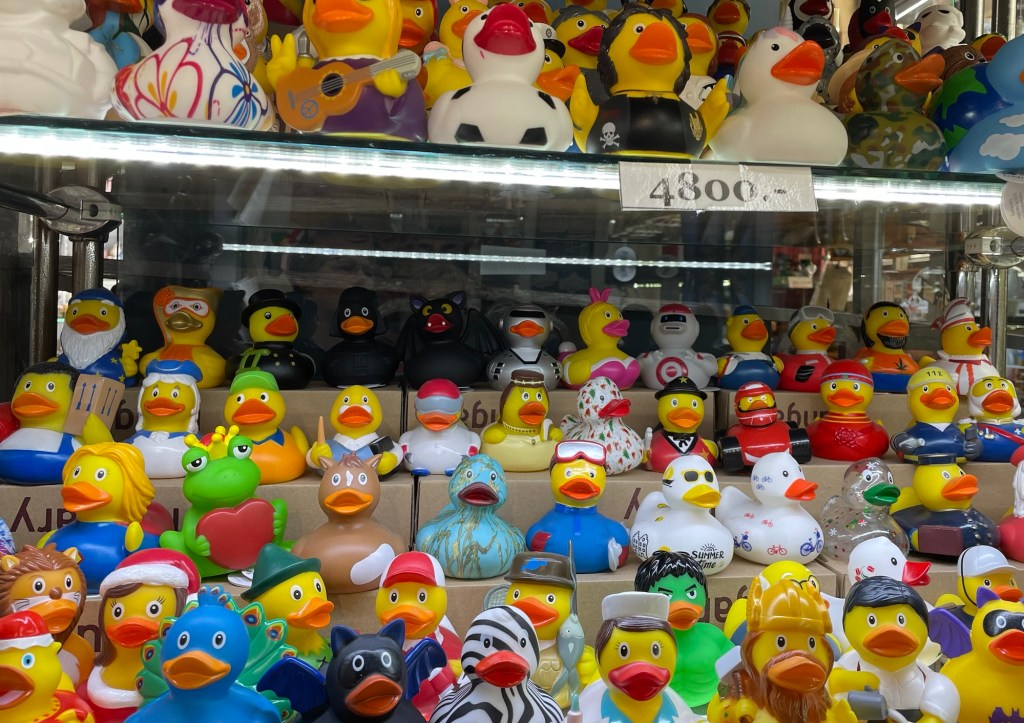
We saw rubber duckies for sale all over. I should have bought one for our granddaughter.

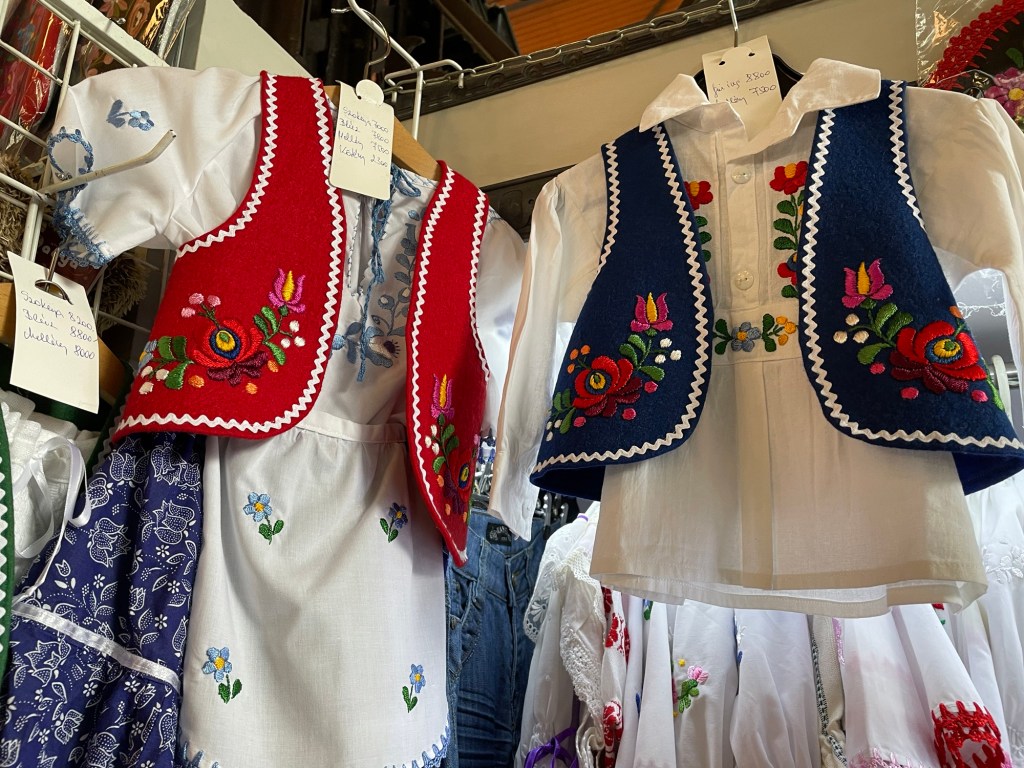
Traditional costumes for sale at the Central Market

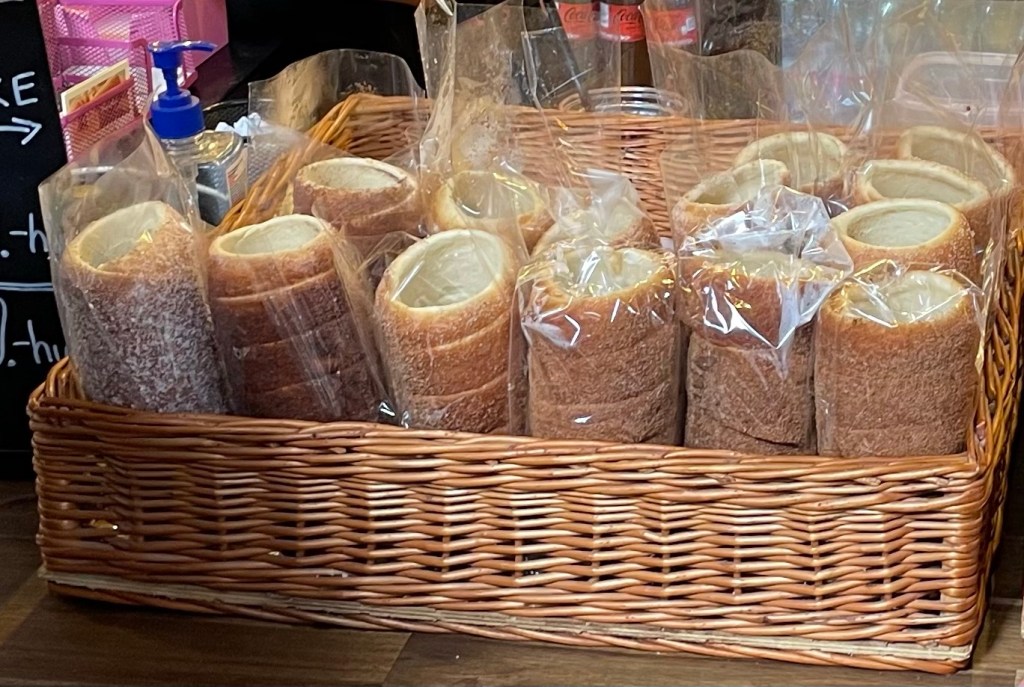
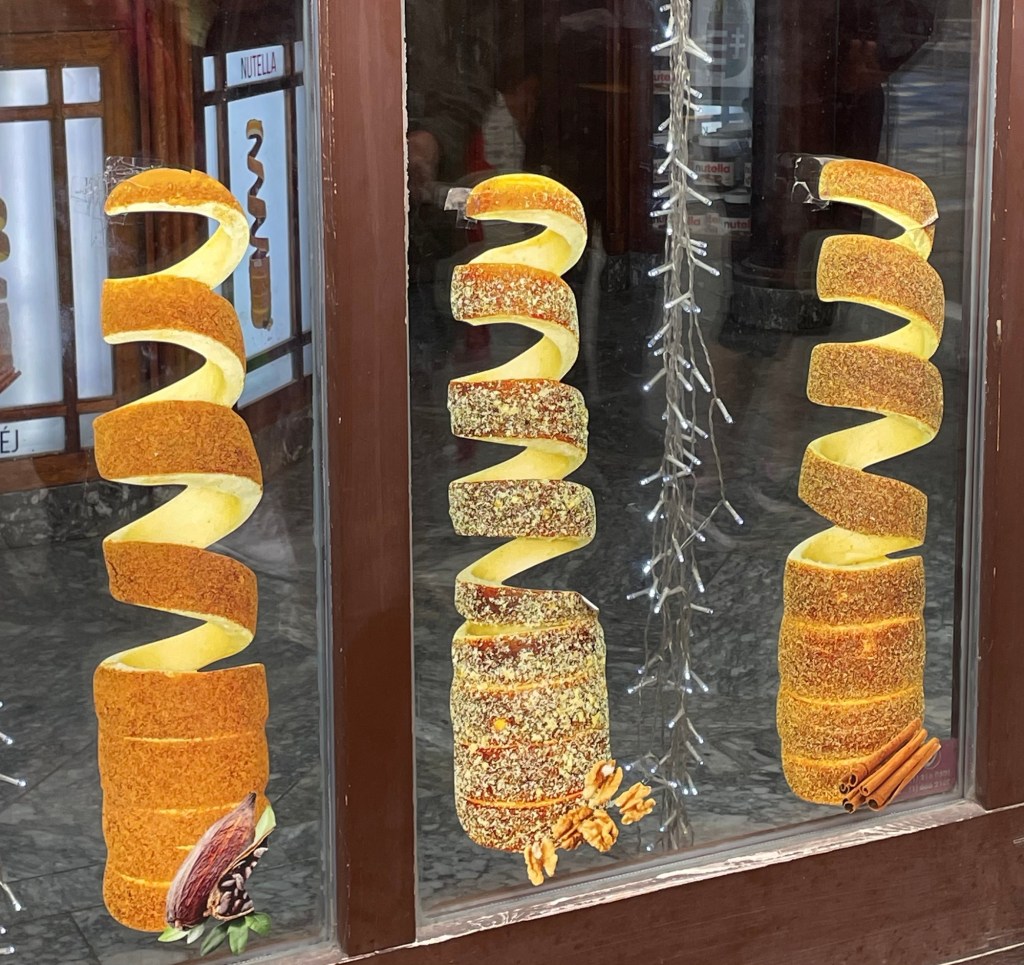
A local sweet treat in Budapest are called Chimney Cakes. There were many shops selling them in different varieties, plain and with fillings and toppings. We bought one to share at the Central Market. It was a little softer and doughier than I was expecting.

Chimney Cakes
Chimney Cakes

After checking out Central Market, we walked along the river on the Danube Promenade towards the Parliament building. It was a longer walk then we were led to believe, but at least the rain had cleared up by then.

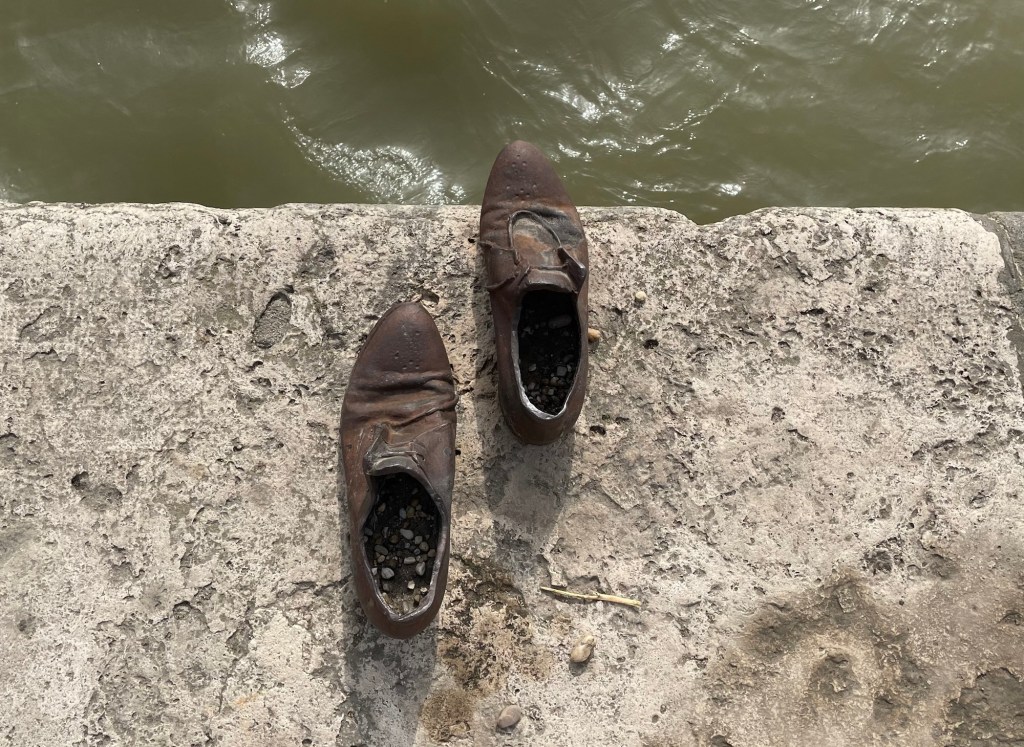
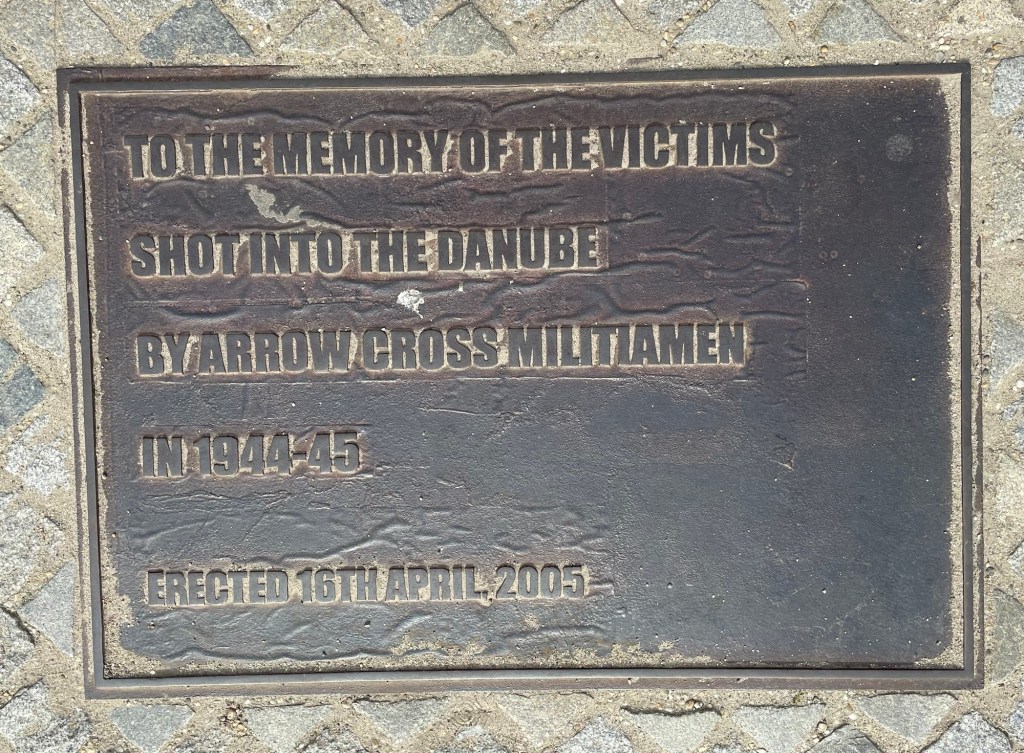
Near the Parliament building is the Shoes on the Danube Bank memorial. Sixty pairs of bronzed 1940’s men’s, women’s and children’s shoes are scattered along the edge of the river to commemorate a horrific event near the end of WWII, when Hungarian Jews were made to remove their shoes, and were then shot into the river. It is difficult to see but necessary that we do not forget.

Part of the Shoe Memorial

After paying our respects at the shoe memorial, we walked over to the Parliament building where there is a plaza and gardens.

Other side of the Parliament building

I would have liked to experience the famous thermal baths of Budapest, but with only one day there there was not enough time to see everything. That is the reality with cruises.

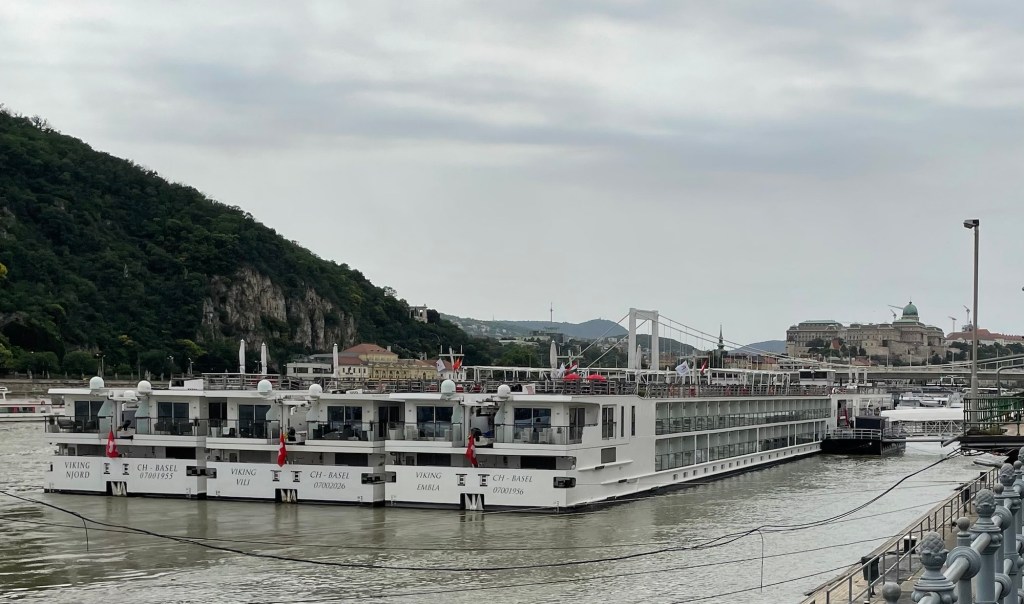
Back at the boat I took a photo showing three Viking long ships double parked side by side. Our ship, the Embla, was the closest to the shore. People in the other two ships had to walk through the lobby of the Embla to get to their ship.

Three Viking long ships double parked in Budapest

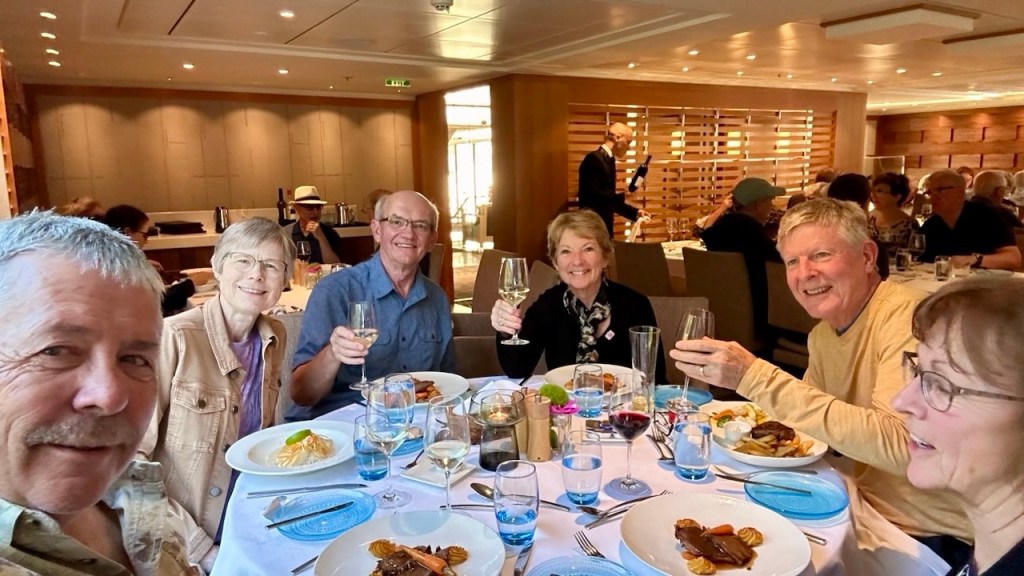
The next picture was taken by one of the waiters in the dining room on Marlene’s phone near the beginning of the cruise, but it works for a last dinner of the cruise photo also.

On the last night we spent the evening packing up our luggage. Since we were going directly home, Viking Cruise line provided transportation to the airport. Based on our flight time, we were to put our luggage outside of our state room for staff to pick up first thing in the morning. We got everything ready to go and in the hallway before we went to bed, using our backpacks for toothbrushes and other last minute items.

A couple of different times we were told by Viking staff that there would be a Viking representative at the airport to guide is through the airline check in process. Instead of spending time checking in and printing boarding passes, they encouraged us to enjoy our last evening. I had looked at the Delta app on my phone where I could have checked us in, but based on their advice I did not do it. We did not need a paper boarding pass ahead of time, but we thought the part about not checking in to our flight was odd. Later we regretted not doing so.

We had breakfast on the boat before leaving for the airport. Wayne’s sister and brother-in-law, Marlene and Steve, were on the same itinerary as us flying from Budapest to Minneapolis, with a connection in Amsterdam. Wayne’s other sister and brother-in-law had a ride to the airport at 3:00 am for their flight to the Bay Area of California. Ugg.

When we got to the airport it looked like chaos. As always seems to be the case, the biggest stress was trying to figure out which line to get in, and where was the end of said line. We had three hours before flight time so were not worried at this point. We stood there for a couple of moments when we happened to see a young man in a Viking shirt walk by. We flagged him down to ask about checking in, and he pointed to the place where we should get in line. Sadly, that was the extent of the Viking guidance during check in. If anyone else has had a different experience with cruise line transfer to the airport, I would be interested in hearing about it.

We got in the line and were not too far back. There were no staff at the Delta/KLM counter. It was about 40 minutes before the line started moving, during which time the line got a lot longer behind us. My phone was still on airplane mode, but Wayne got an email from Delta saying that the second leg of our flight was cancelled. It said we were rebooked, but the alternate flight looked like the same as the original. It was very confusing, so we figured it would get sorted out when we got up to the counter.

When it was finally our turn at the check in counter, the staff seemed to be very confused too. We were there for a long time until they finally got the cancelled flight rebooked from Amsterdam to Minneapolis via Salt Lake City, getting us home around midnight, about five hours later than the original itinerary. We checked our bags and headed for the security line. Marlene and Steve were the next to be served, so we told them we would meet them at the gate.

Apparently there were no more seats on flights to Amsterdam anytime in the near future. Marlene and Steve had to stay overnight in Budapest in order to get on a flight to Paris the next day. The next day they flew from Paris to Boston, but missed their connection to Minneapolis. They had to stay overnight in Boston, arriving home two days late. Delta paid for their hotels and meals due to the delays. After hearing about this, we did not complain about getting home five hours late.

Delta gave all four of us 10,000 sky miles points for our troubles. Later Wayne and I received $640 each for the cancelled flight. I don’t know how they came up with that amount. We had paid Viking an amount for our airfare that was not related to any specific flights.

Marlene and Steve were told that they did not qualify for the reimbursement because they did not check in for the flight at least two hours ahead of time (based on the instructions from Viking). We did not check in either. All we can figure is that when we got up to the counter at the airport it was more than two hours before check in, and by the time it was their turn, it was less than two hours. They complained about this to both Viking and Delta, and eventually got their reimbursement too. We are all wondering if the situation would have played out differently if we had checked in to our flights the night before.

After we got home, we had about three weeks until the next big trip. During that time there were a couple of reservations at the family cabin that we were involved in, a trip to St. Paul for our granddaughter’s first birthday party, and our annual family reunion at the cabin. The reunion was less stressful this year, being smaller and involving less work for me than the 100 year anniversary celebration of the cabin last year.

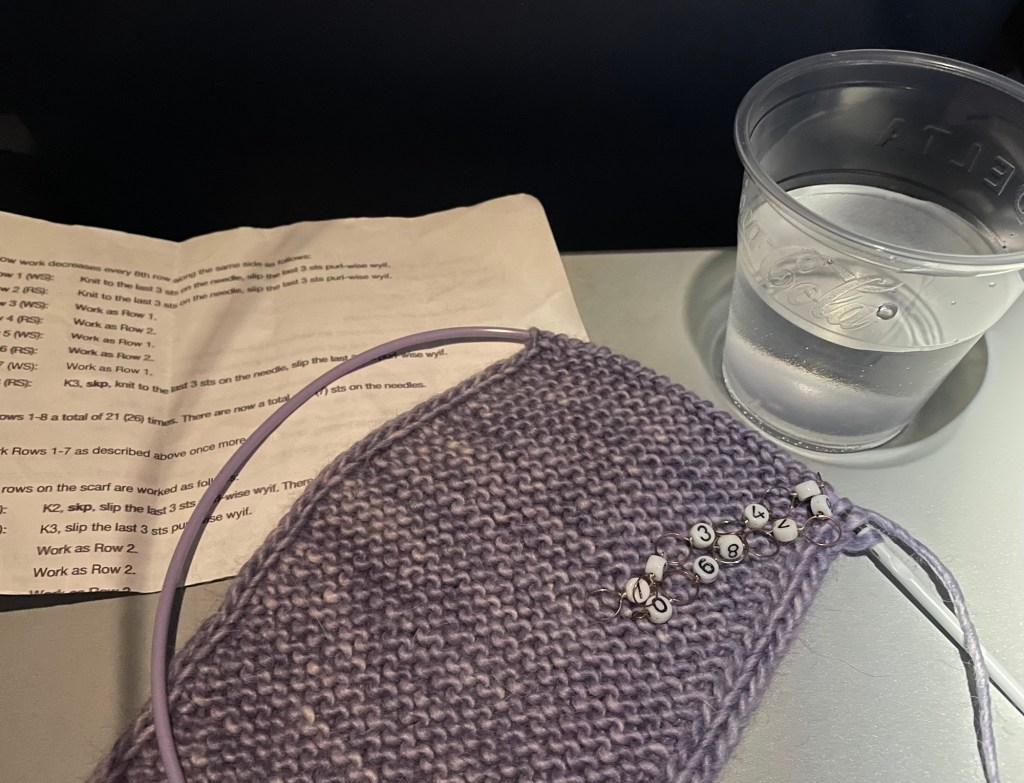
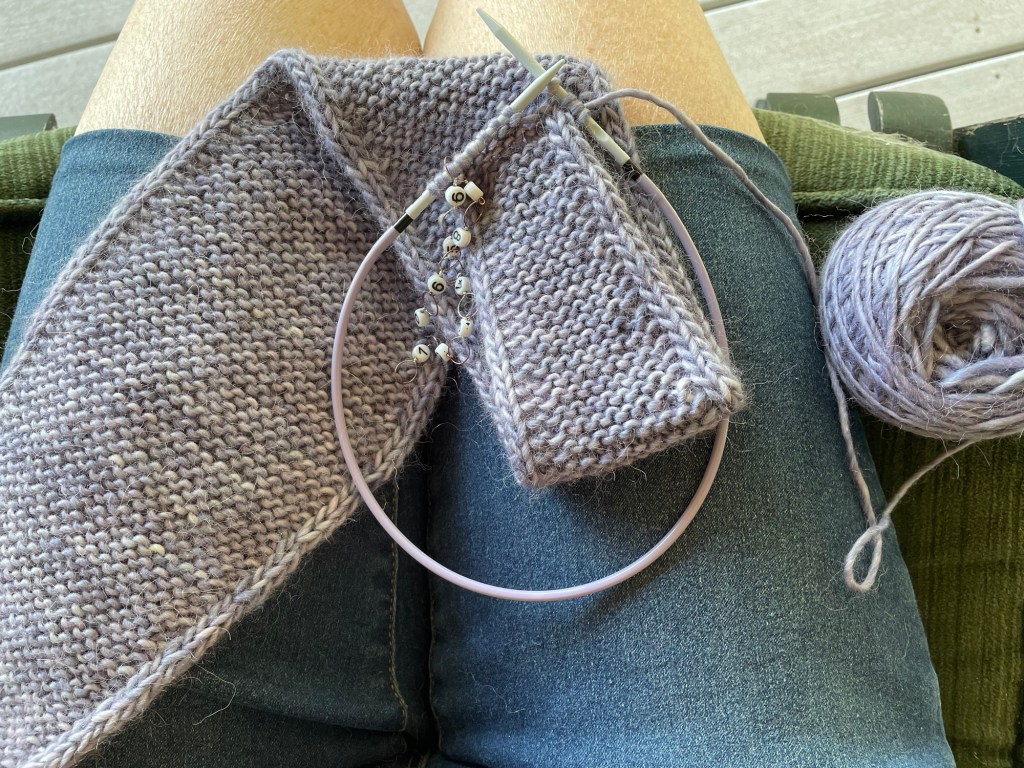
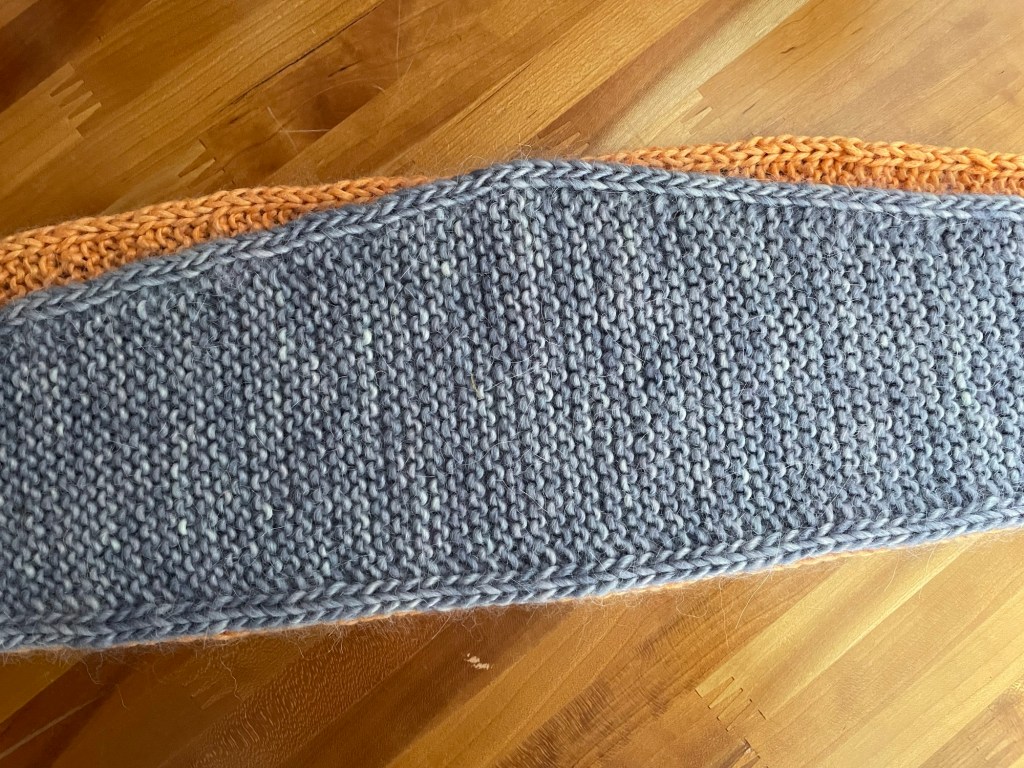
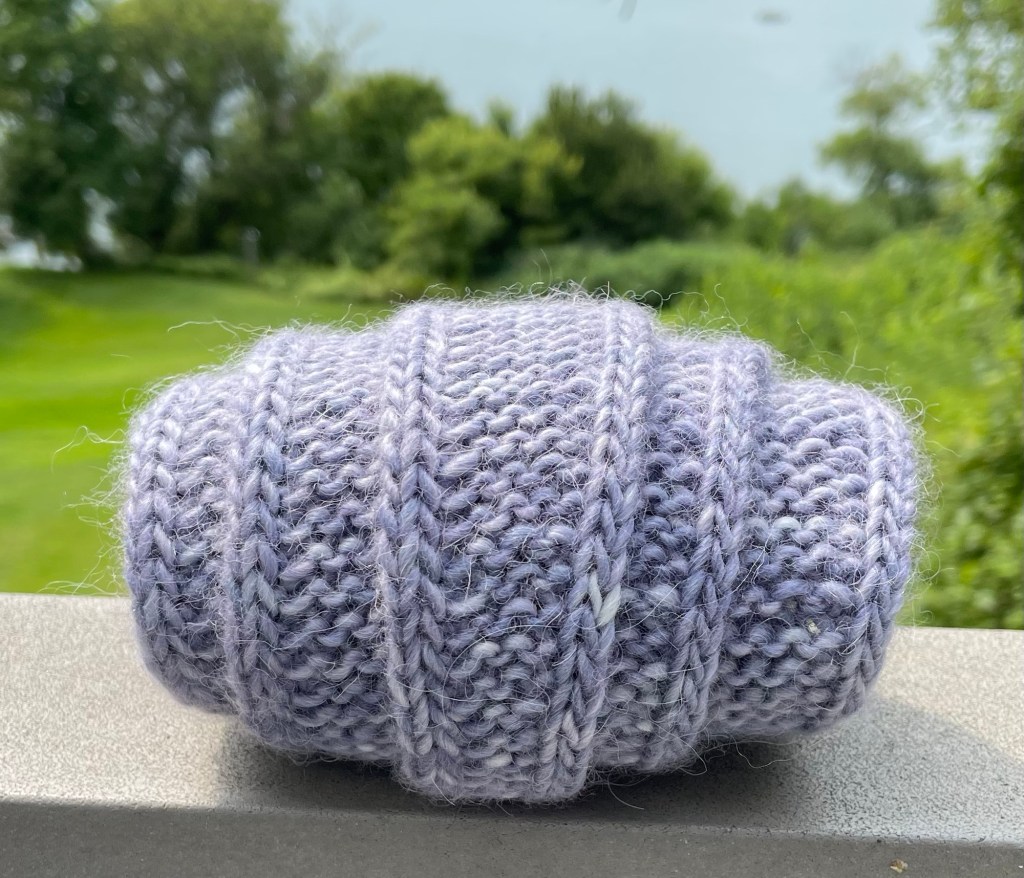
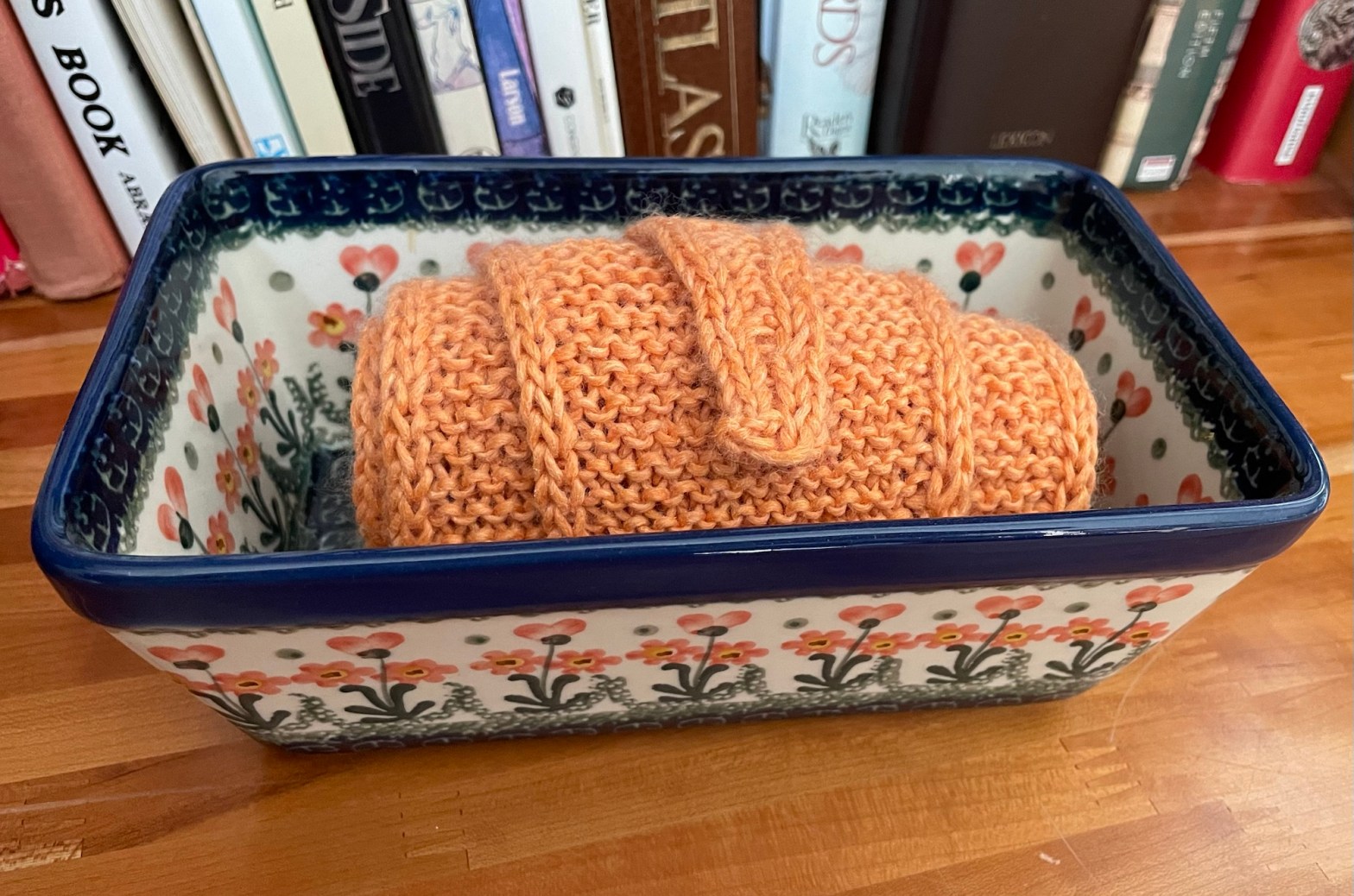
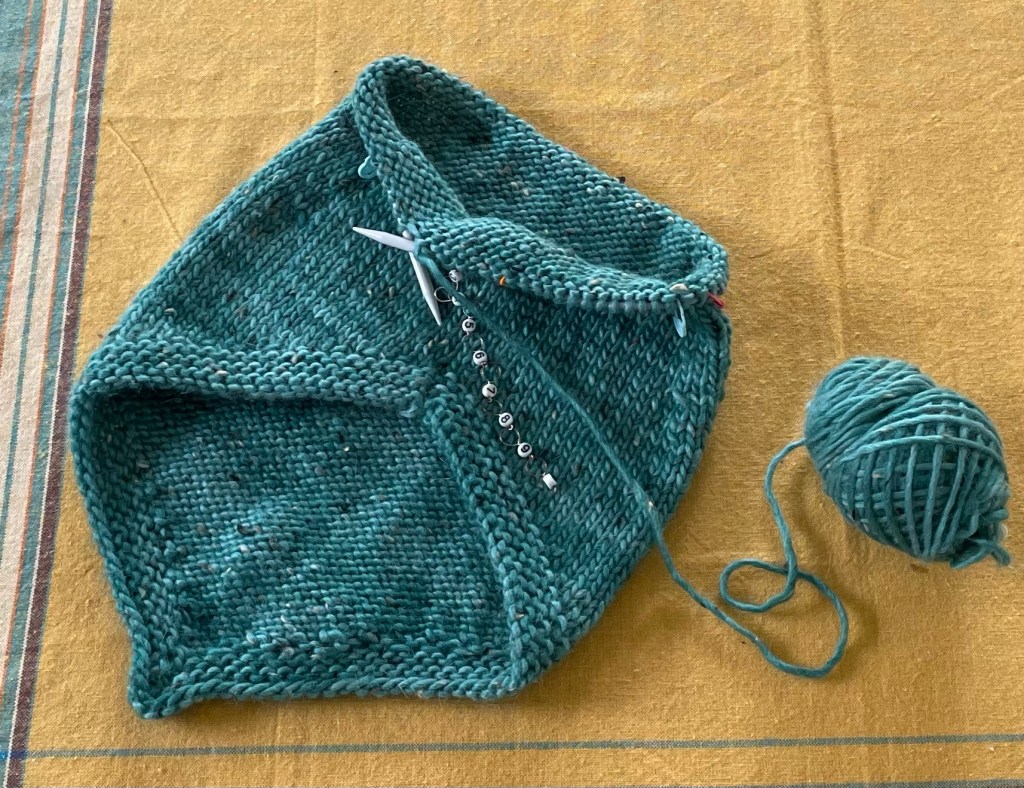
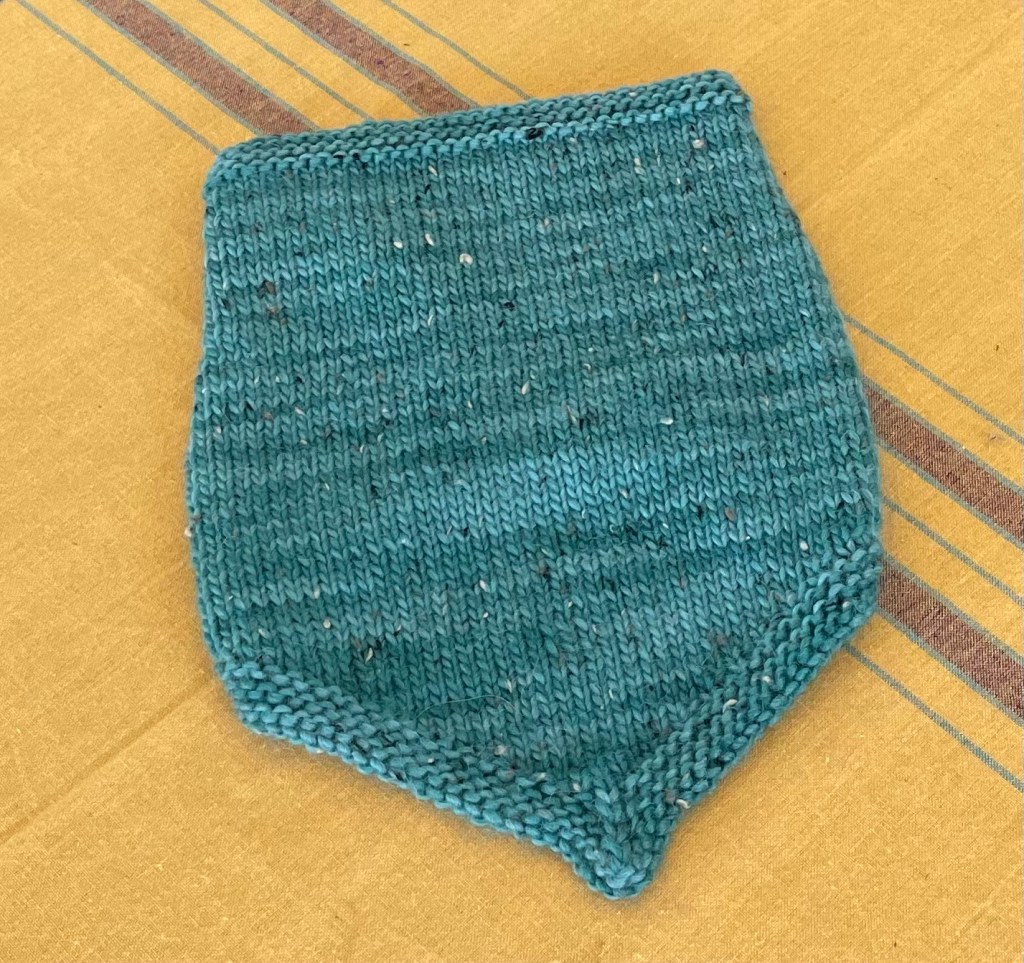
Back at home I finished the bandana / cowl that I started knitting at the airport in Minneapolis at the beginning of the trip.

Almost done

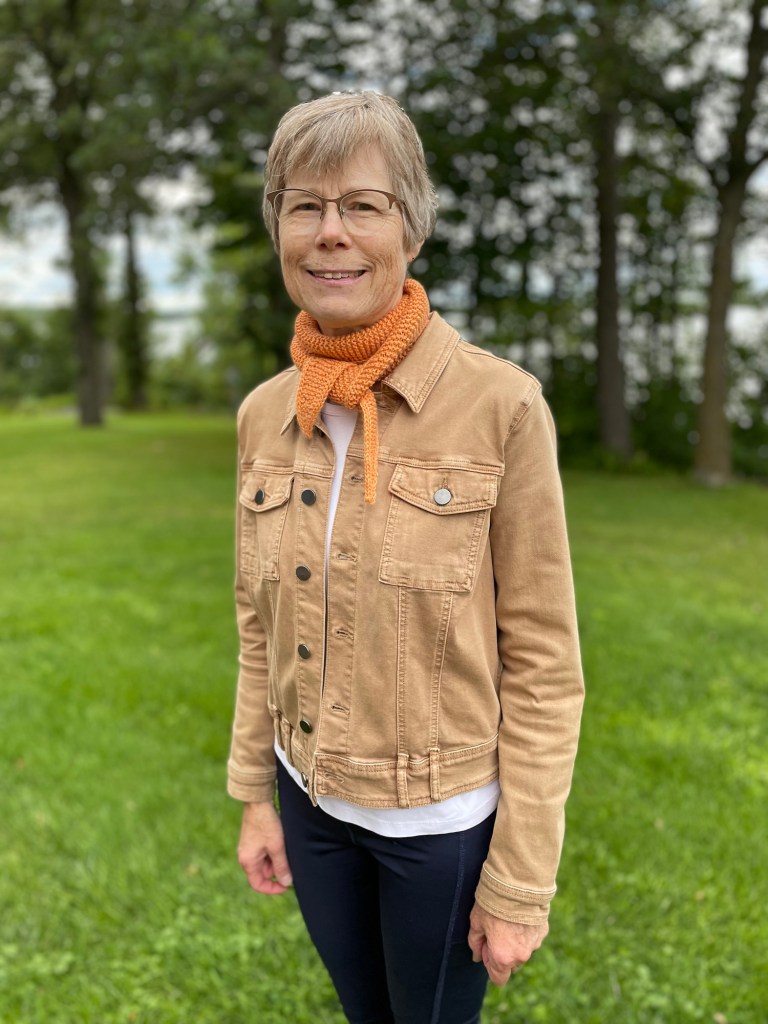
It is very soft and I like it a lot. It does not match my winter jacket, which happens to be 17 years old. I remember that because I bought it the year we had a foreign exchange student from Norway. I think my boots are that old too. Where does the time go.

Bandana cowl completed

We left in the middle of the family reunion for our second big trip of the summer. Watch for upcoming posts about that, and how it happened so soon after the other vacation.

Danube River Cruise Vacation Part 5: Vienna and Bratislava

My husband and I have been on two big vacations this summer, which is highly unusual. Now that we are back from the second trip, I am able to continue writing about the first trip. I have a lot of catching up to do, so not spending as much time on editing as I normally would.

This post is the fifth in a series about the Danube River Cruise vacation we went on with Wayne’s two sisters and their husbands in June 2024. Click here for the link to Part 1: Planning and Getting to Munich. Click here for the link to Part 2: Our Day in Munich. Click here for the link to Part 3: Harburg Castle, Rothenburg, Getting to Passau. Click here for the link to Part 4: Passau, Linz and Krems.

This post will be about time spent in the ports of Vienna and Bratislava, with more commentary about our cruise experience.

The free tour provided by Viking Cruise lines for Vienna was an overview bus tour, ending at St. Stephens Cathedral. After that we walked around all afternoon on our own. The photos I took through the bus window had reflections, poor composition and too many people and distractions, so I have not included any of those.

Following is a photo inside St. Stephens Cathedral. All the cathedrals start to be a blur and it seems like more than one are called St. Stephens. This one has origins in the 12th century, but the current version of it took shape in the 14th century.

St Stephens Cathedral, Vienna

The next two random photos were taken as we were walking around in Vienna.

Vienna
Vienna

There is a big central square in Vienna called Maria Theresin Platz (Maria Theresa Plaza). In that area was the natural history museum, as well as the art and artifact museum, and the Hofburg Palace.

The Kunst Historisches Musuem (the art and artifact museum)

In the square is a prominent statue of Maria Theresa, a badass woman from the 18th century. She was a capable, effective Habsburg ruler for 40 years, while also giving birth to 16 children in 19 years.

Our group in front of Maria Theresa Monument

There was a street market in the Maria Theresa Plaza area. I found it amusing that in addition to traditional leather lederhosen for sale, there was a stall with “cargo” style lederhosen made out of twill fabric.

Cargo style lederhosen for sale

My sister-in-law, Marlene, is an art teacher and artist, so she was keen on going inside Kunst Historisches Museum. The rest of us were game and it was free to enter.

Historisches Museum (art and artifact museum)

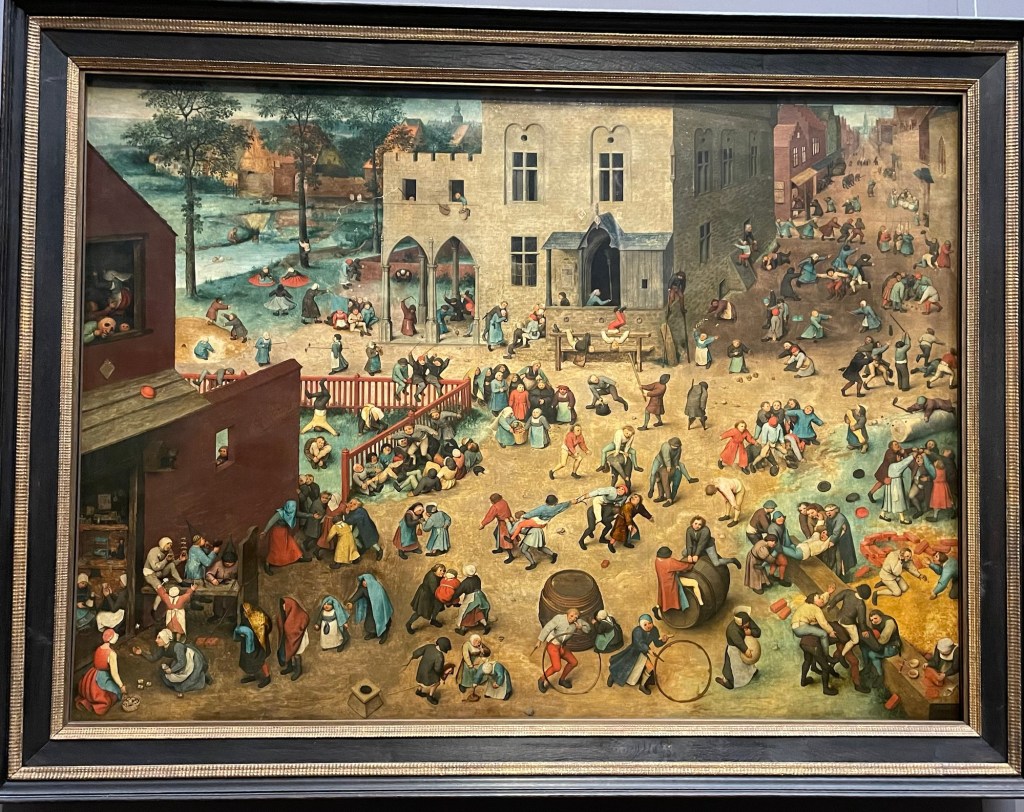
This art and artifact museum is a huge place. Without a specific agenda and without a lot of time, we followed Marlene around through many rooms of religious themed paintings by old masters. There was a large collection of paintings by Pieter Bruegel the Elder, with scenes of daily life in the 1500’s. Following are two that I especially liked, titled “Children’s Games” and “Peasant Wedding”.

“Children’s Games” by Pieter Bruegel the Elder
“Peasant Wedding” by Pieter Bruegel the Elder

After doing the museum we had an excellent lunch at a place called Speiseplan. After completing our meal we realized it was highly rated on a short list of recommended restaurants. More walking around brought us to Volksgarten, near the Hofburg palace complex and known as the “People’s Garden”.

Volksgarten

Vienna is known for it’s culture of hanging out at coffee houses. By the end of the afternoon we were ready to sit down at Landtmann, one of the most well known local coffee houses that has been in business since 1873. The inside was very elegant, but we decided to sit in the large outside patio area.

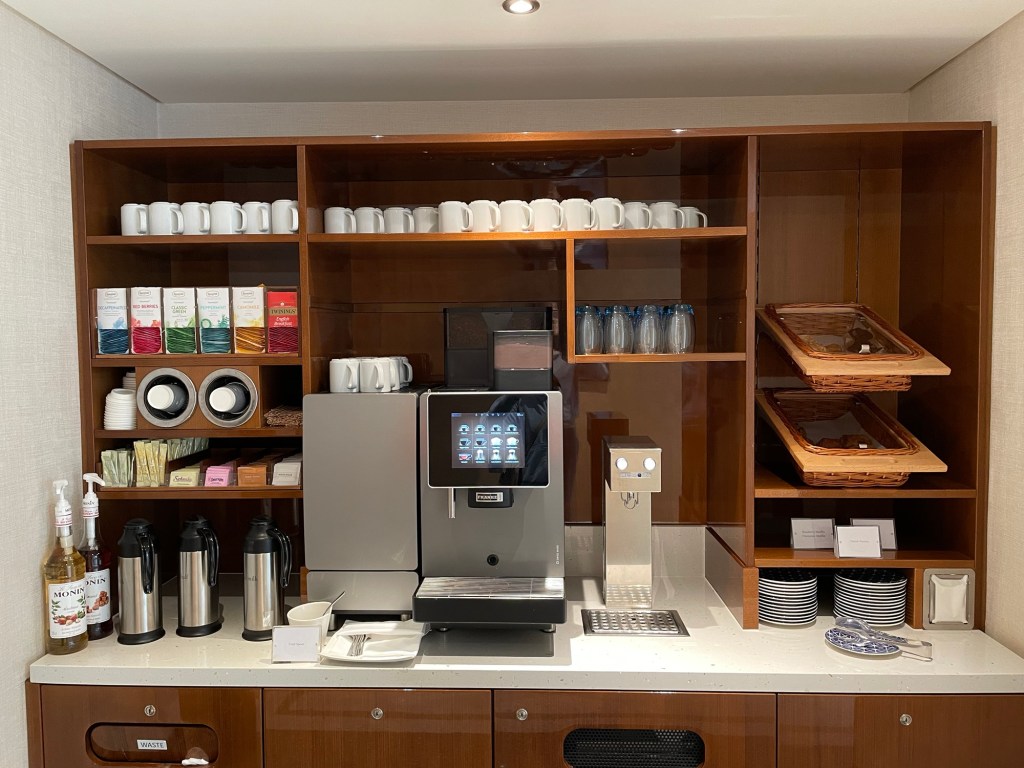
I was missing my daily mocha on this trip. I had heard about the 24 hour a day coffee station on the ship. You could select from various options such as espresso, cappuccino, latte, regular coffee, and hot chocolate. However, when we got there I was disappointed to see there was not a button for mocha. You could make one by hitting the espresso button, and then hitting the hot chocolate button, but it was not the same. Throughout the entire trip in Germany, Austria and Hungary, no coffee shop had mocha on the menu. I guess that is not a thing there. I resorted to having a daily cappuccino. OK so sometimes I had two.

The 24 hour coffee station on the ship

It was warm out, so at Landtmann I ordered a cold coffee drink instead of a dessert. Wayne ordered Sacher Torte, the signature chocolate cake dessert in Vienna. Coming from a family who are connoisseurs of chocolate and desserts, he was not impressed. It was a little of dry. Later back at home, someone brought a chocolate cake from Costco to a potluck meal. I was surprised at how delicious it was, much better than Wayne’s Sacher Torte. Sorry Vienna.

Wayne with his Sacher Torte

Someone else in our group ordered a yummy looking apple strudel.

The next photo is a case of desserts for sale inside the Landtmann’s.

There were a couple of expensive shore excursions offered in Vienna, in addition to the free panoramic bus tour. One was a behind the scenes visit to the famous Spanish Lipizzan horses and riding school. Luckily we got to see a few of the horses for free when we happened to walk by where they were stabled in the middle of Vienna.

Famous Lipizzan horses

We took the subway back to the ship in time for dinner. The Embla was the third ship double parked out from shore. There was a forth ship double parked on the other side of the Embla.

The next day we were in Bratislava, Slovakia, where we had a walking tour of the old town. I did not know anything about Slovakia except that it used to be half of Czechoslovakia. I found out that it was part of the Austro-Hungarian Empire before World War I. Czechoslovakia was formed after that. In 1993 Czechoslovakia separated peacefully into the Czech Republic and Slovakia (the Slovic Republic). Today it is considered a “high income economy“.

The next photo was taken inside St Martins Cathedral. All the Cathedrals are impressive and beautiful and unique, but it is hard to remember the details later.

St Martin’s Cathedral

Following are several photos taken while walking around in Old Town Bratislava.

Old Town Bratislava
Old Town Bratislava
The local pastry in Bratislava
Wayne in Bratislava
Bratislava


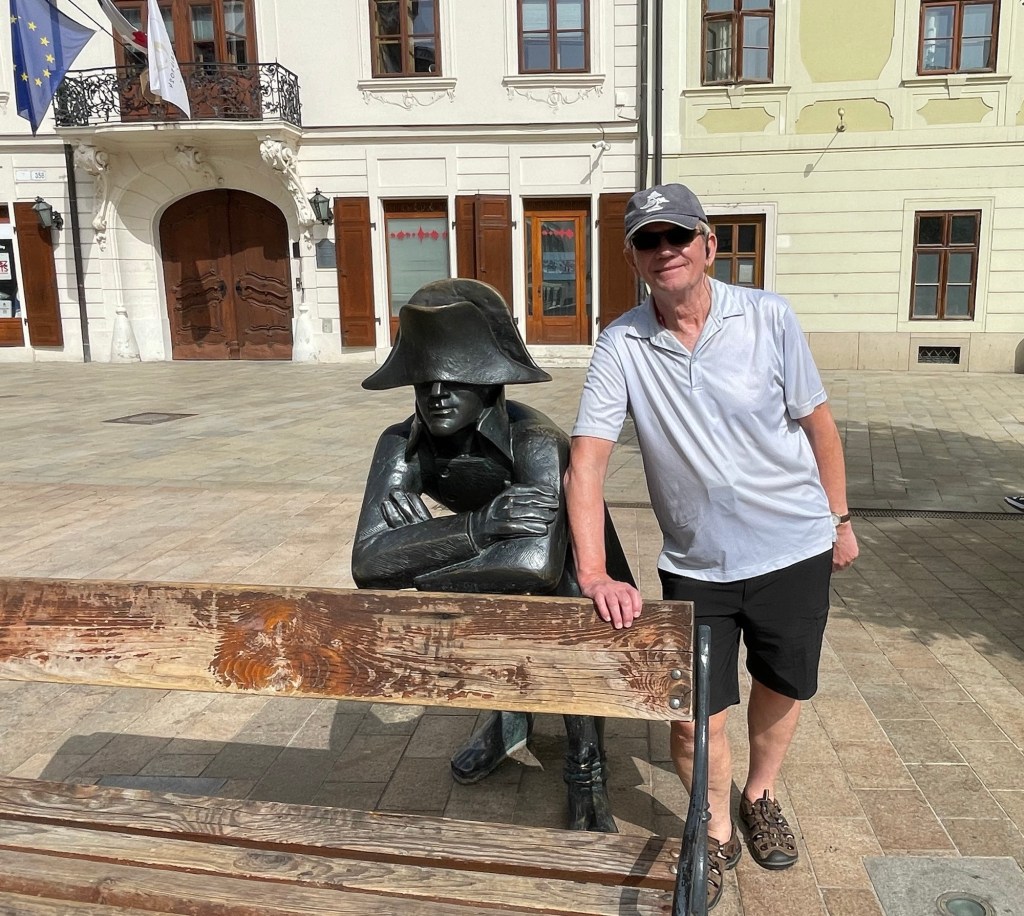
There is a famous street sculpture in Bratislava of a sewer worker called “Man at Work”. There is controversy as to whether he is a celebration of working people, or a creepy guy looking up under women’s skirts.

Man at Work sculpture

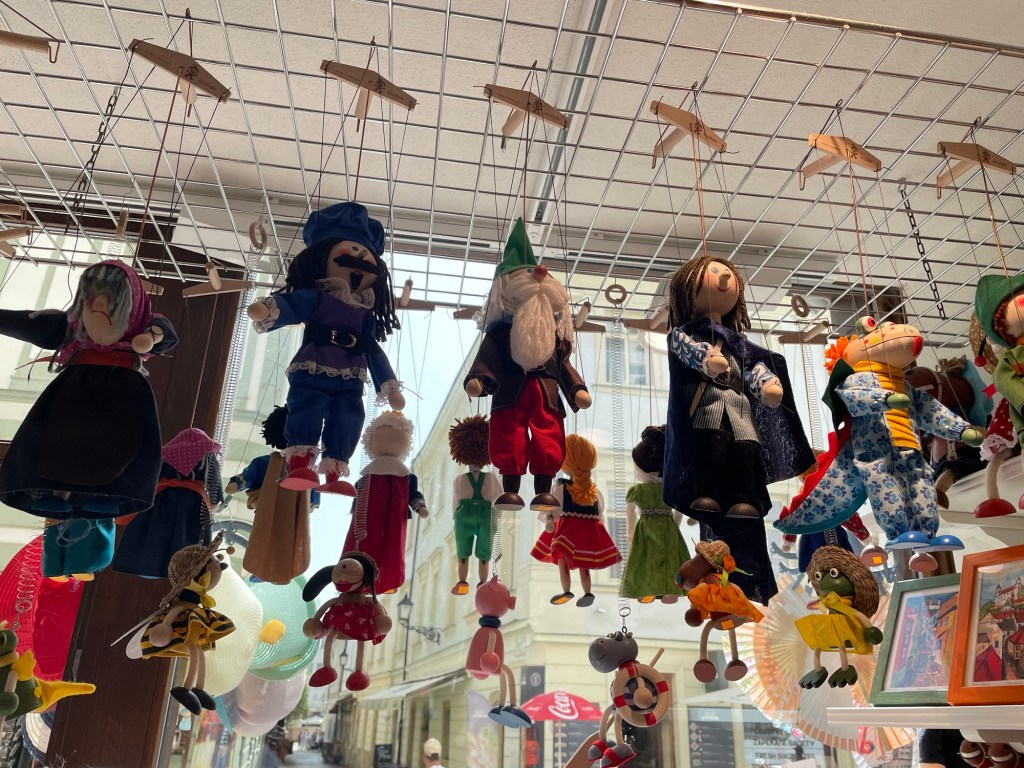
There were many tempting colorful toys and textile items for sale. I bought a horse hand puppet for our granddaughter, but I did not get a photo.

Colorful toys for sale

We walked around on our own after the tour until time for lunch on the ship. There was a lovely shady street as we headed back to the boat.

The ship set sail for Budapest after lunch. The temperature outside was very warm, but it was comfortable with a breeze on the top deck under a canopy. We sat up there watching the scenery along the river as the ship sailed down stream. In the middle of the afternoon there was a special High Tea with tiny sandwiches and tiny pastries. Later there might have been some napping.

Afternoon High Tea on the ship

The reason for leaving Bratislava after only half a day was to make sure there was enough time to get to Budapest by about 10:00 pm, when all the buildings would be lit up.

The next and last post about our Danube River Cruise vacation will be about our time in Budapest and the journey home.

Danube River Cruise Vacation Part 4: Passau, Linz, and Krems

This post is the forth in a series about our Danube River Cruise vacation that happened this June 2024. Click here for the link to Part 1: Planning and Getting to Munich. Click here for the link to Part 2: Our Day in Munich. Click here for the link to Part 3: Harburg Castle, Rothenburg, Getting to Passau. This post will be about some of our cruise experiences, including the ports of Passau, Linz and Krems.  

After spending our first night on the Viking Ship Embla, it was time for the walking tour of Passau. Since the ship had moved up the river to the docks right at the old town, it was easy to get off the ship and assemble for the tour. We had already walked around the day before, but now we got the information about landmarks and history of the area from the tour guide. For all the free tours we were provided with a walkie talkie and earbuds, so it was easy to hear everything the tour guide said.

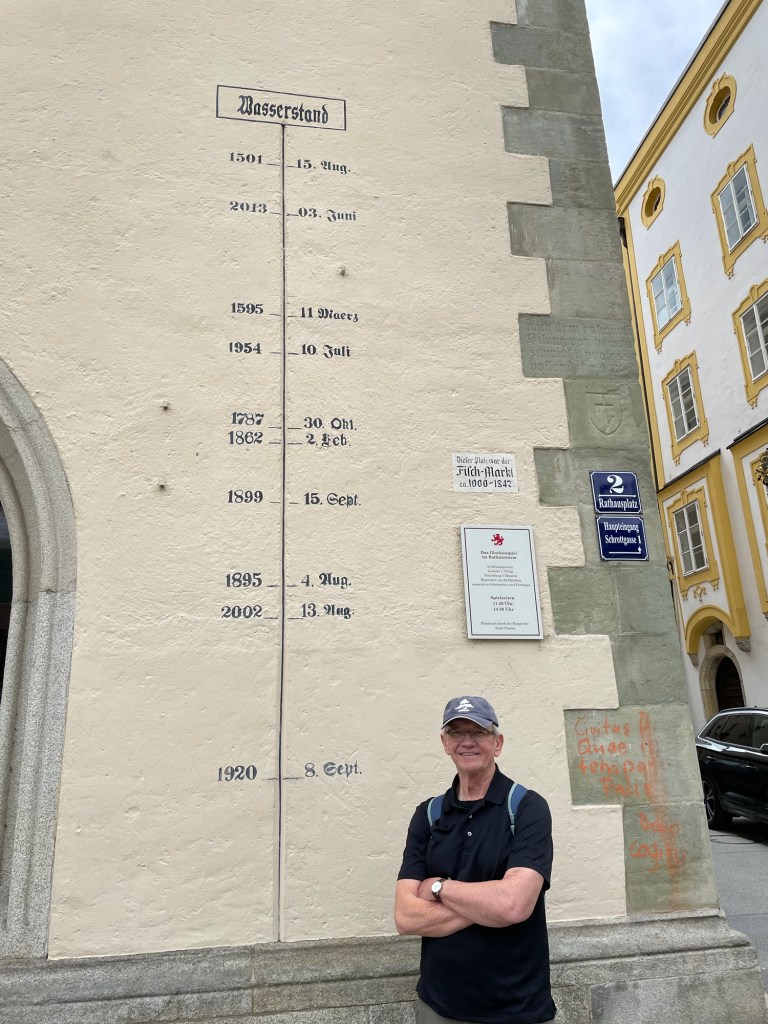
Passau is a medieval town known as the “City of Three Rivers”. The Inn, Danube and Ilz rivers all join at this location, which had a settlement as early as the year 739. In the past it was an important location for trade of salt, knives and sword blades. Not surprisingly, flooding happens here. The dates and high water levels of major floods are marked on a wall in Passau. A couple of weeks before we arrived the water was a little higher than the marker for 2002 in the next photo, above Wayne’s head. We are lucky the water receded dramatically by the time of our cruise.

Following are a couple of random photos I took while walking around.

The next photo shows a door that is a couple of feet up off the ground. That is so that the rich owner could get off his horse and step directly into the building.

There were quite a few medieval looking doors and windows.

We took a bus to the top of a hill on the other side of the river from the old town area. The Veste Oberhaus fortress there offers tours and an excellent view for a fee. We did not have enough time so we got what view we could without entering the fortress. There is a museum, youth hostel and restaurant at the site. Following is a photo of the fortress from the old town side of the river. I can’t remember much about it except that most of the yellow windows on the squarish building are fake. That is due to running out of money, and also for better protection from enemies.

View of the Veste Oberhuas from the other side of the river

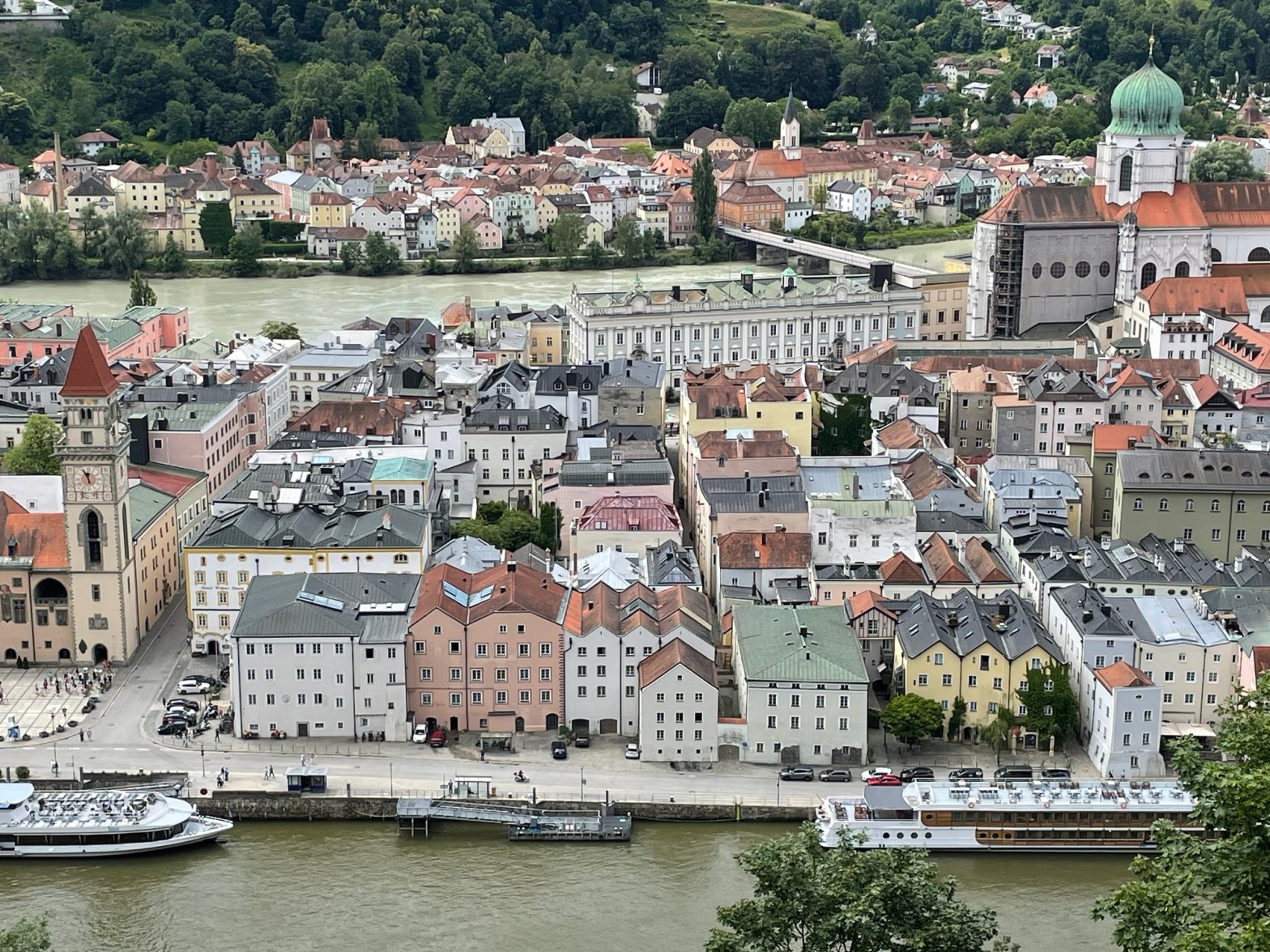
The next photo is a view of Passau looking down from the fortress. The old town is on the land area where the Danube and Inn rivers join together. The water in the rivers are different colors. The Danube is blue. The Inn water is green, coming from the Alps. The Ilz is black, from a moorland. We could see the blue and green water separately as it merged.

Old Town Passau as viewed from the castle on the hill across the river

The cruise ship left the port of Passau after lunch, heading for Linz, Austria. We had some time to relax and watch the scenery on the top deck of the boat as it sailed down the river in the afternoon. There is a putting green and herb garden on the top deck, in addition to a walking track, some tables and chairs, and lounge chairs.

Putting green and herb garden on the top deck

I worked on my knitting a little, but I did not want to miss the scenery.

Knitting on the top deck while cruising between Passau and Linz
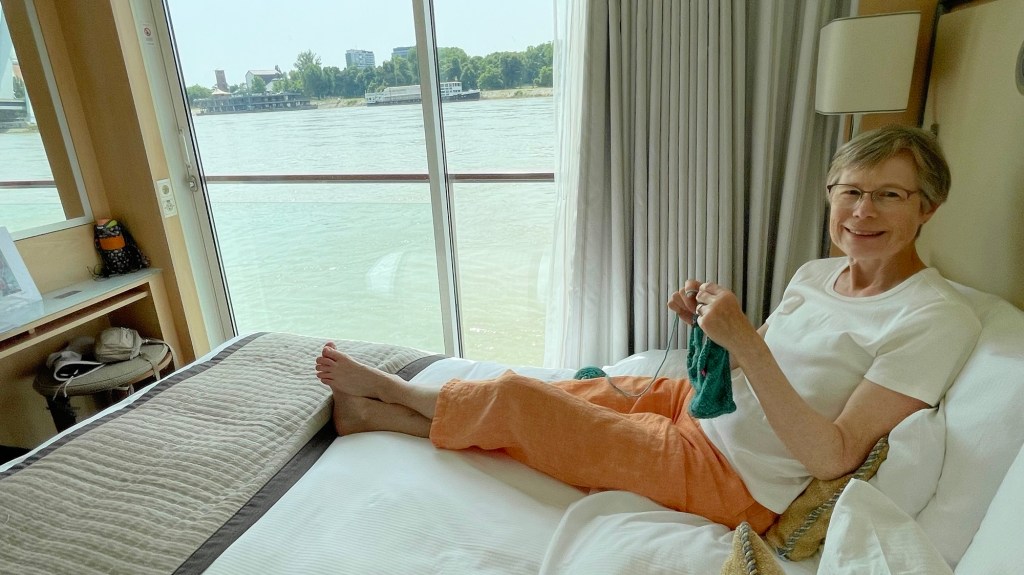
Knitting inside our cabin
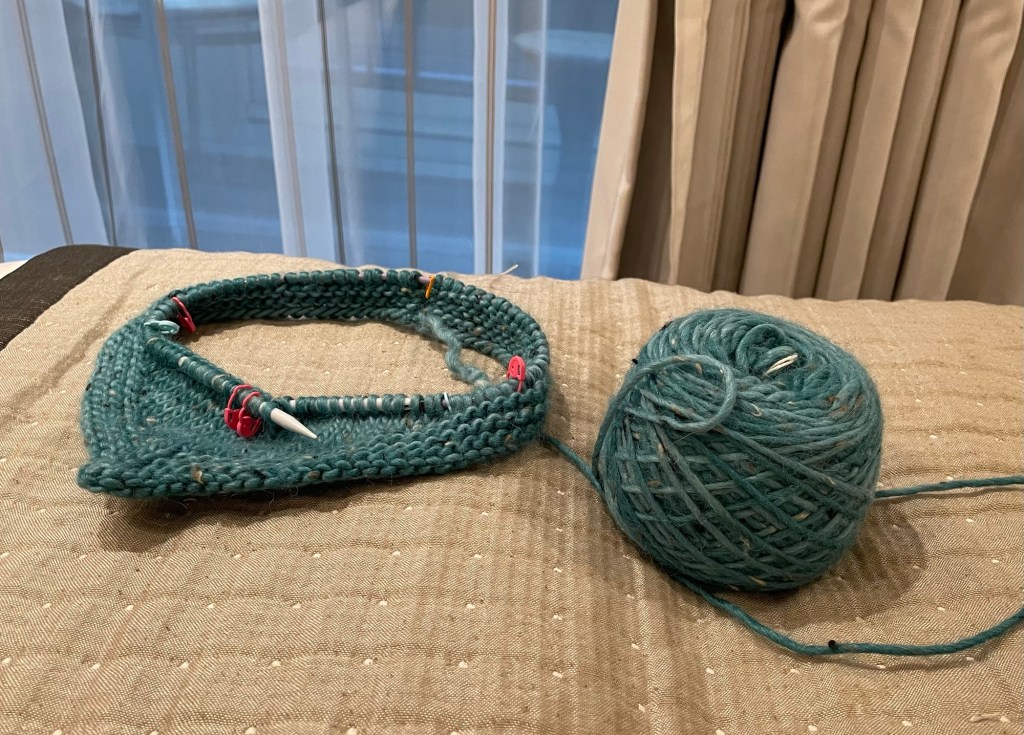
In our cabin, starting to look like a cowl

We arrived in Linz, Austria, in the evening. Our ship was parallel parked next to another Viking ship. In the following photo you can see the top decks of the two identical ships parked next to each other. The people in the ship on the outside have to walk through the lobby of the ship on the inside to get off on to land. Sometimes the ships park three deep.

Our ship parallel parked next to another Viking ship

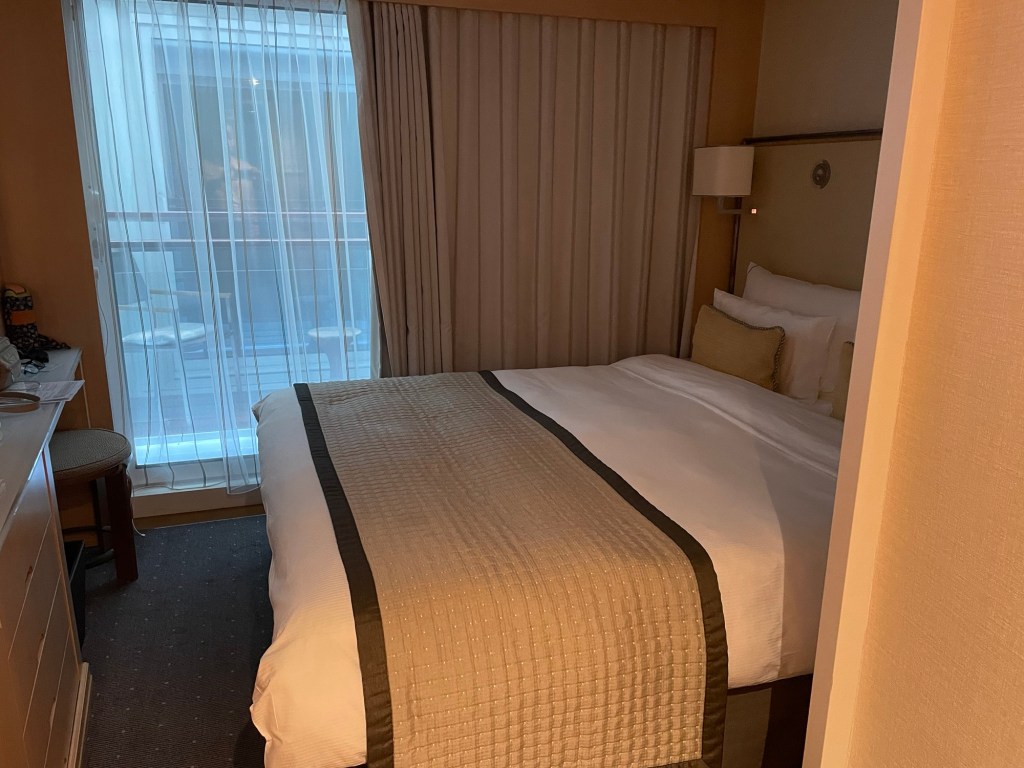
Following is a photo of our “French balcony” cabin. There was a sliding door that opened to a glass panel that went part way up. At this port, the view out the sliding glass door was the cabin on another ship parallel parked one foot away. There were other times when we had a great view of the river.

The next morning was the walking tour of Linz.

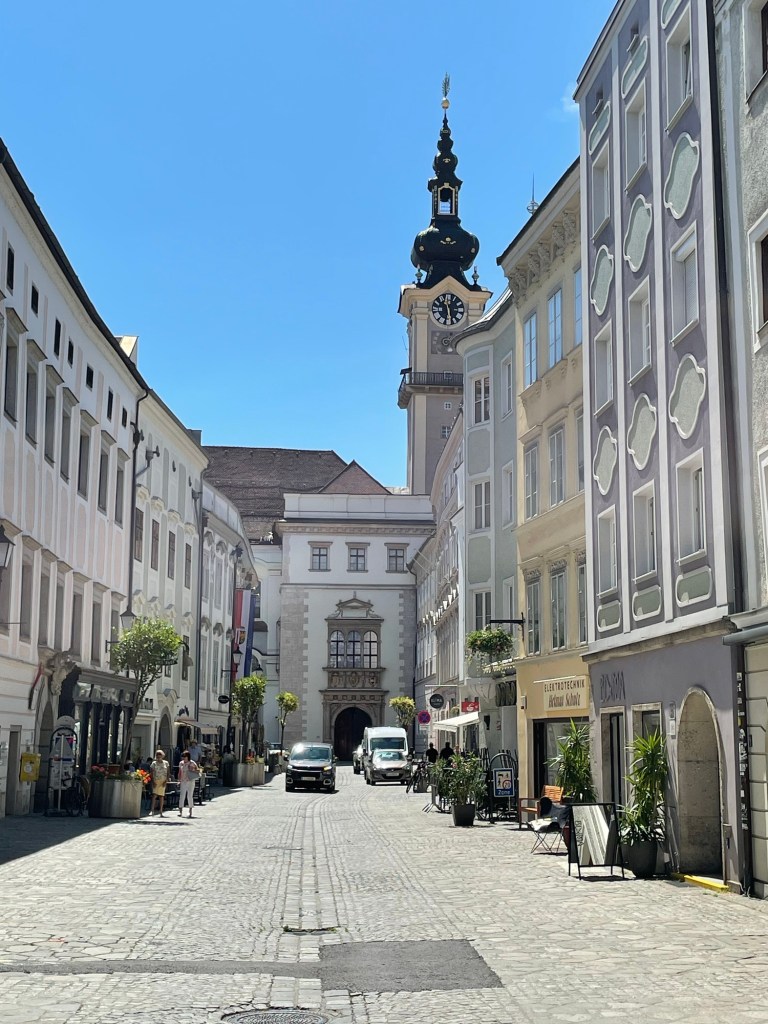
Linz town square
Balcony where Hitler addressed a large crowd

Before the trip when we mentioned to my aunt that we would be going to Linz, she wondered if Linzer Torte is from there. Yes, it is. We saw references to this local dessert, and thought it might be served on the ship. Instead we were served another specialty of the area, Apricot Dumplings. We never actually ate any Linzer Torte.

Following are more random photos taken in Linz, Austria.

Mozart was here
The Cathedral
The Cathedral

After dinner in the lounge on the ship there was entertainment of live classical music. We cast off at 11:00 pm for the next port of Krems, Austria.

Evening entertainment on the ship, before casting off for Krems, Austria

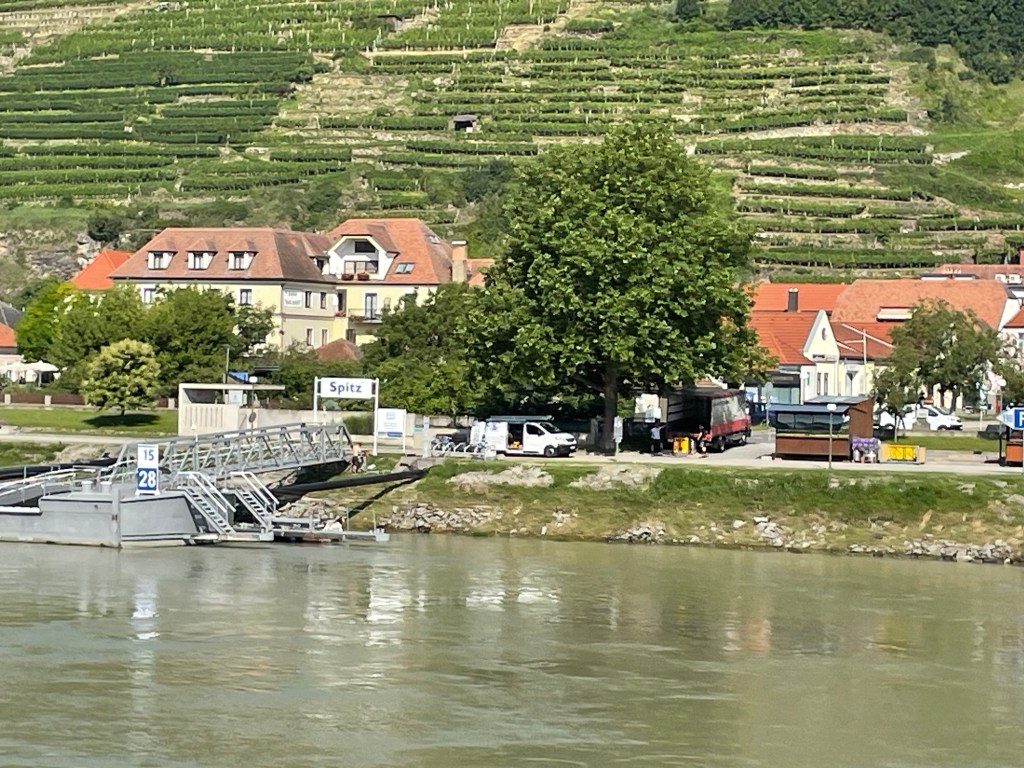
The next morning we sailed for a couple of hours through the Wachau Valley, an especially scenic section of the Danube River with quite a few cool castles and picturesque towns.

Wachau Valley
Wachau Valley
Wachau Valley
Wachau Valley

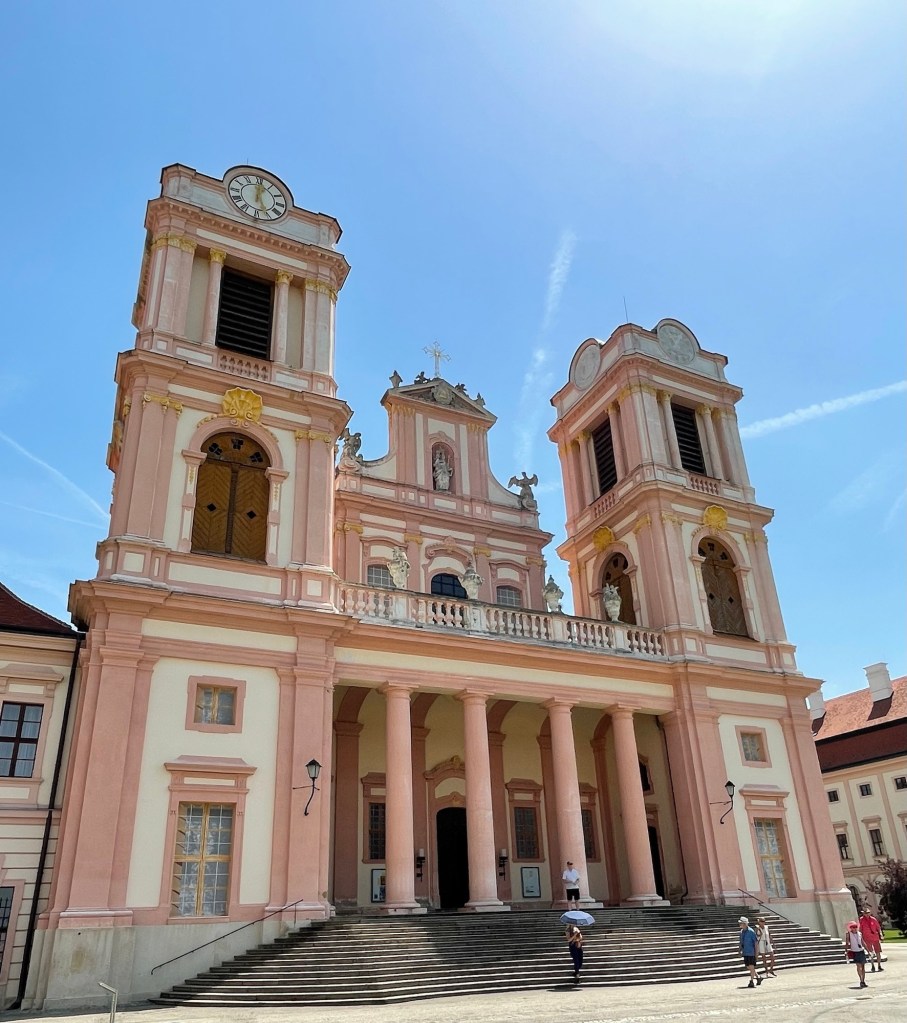
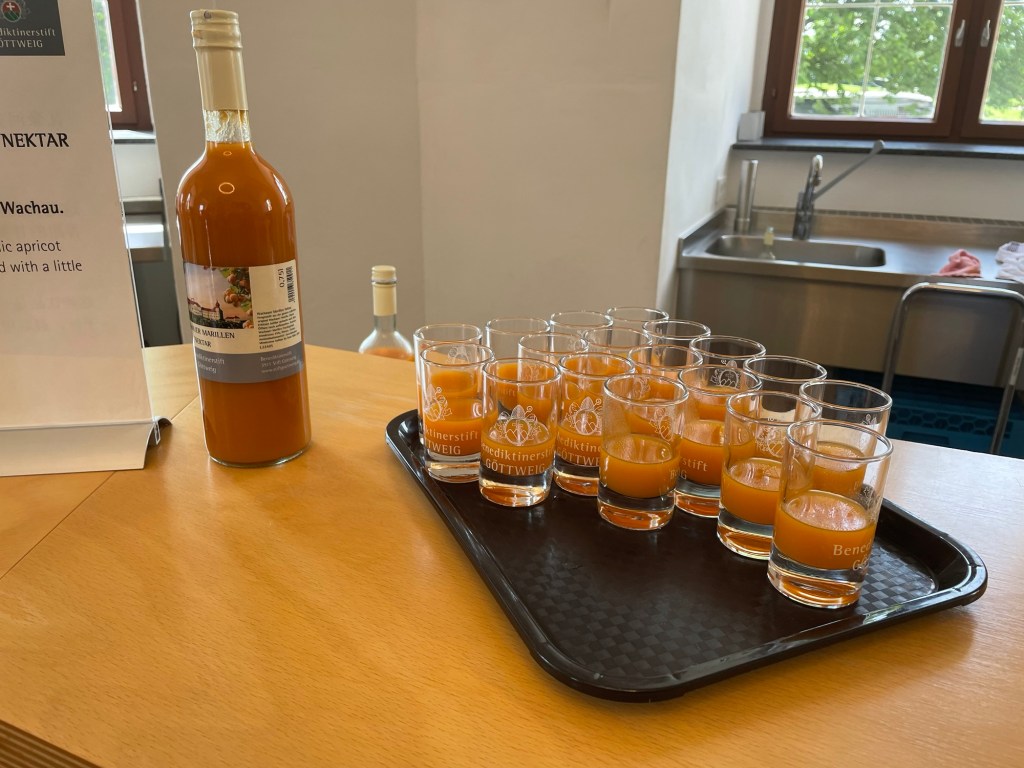
We arrived in Krems, Austria, later that morning. Instead of a walking tour, we took a bus to Gottwieg Abbey. This place is from the 11th century, and is currently known for its library and also special apricot wine and juice. Samples were given out at the beginning of the tour.

Gottweig Abbey
Gottweig Abbey
Samples of apricot juice and wine

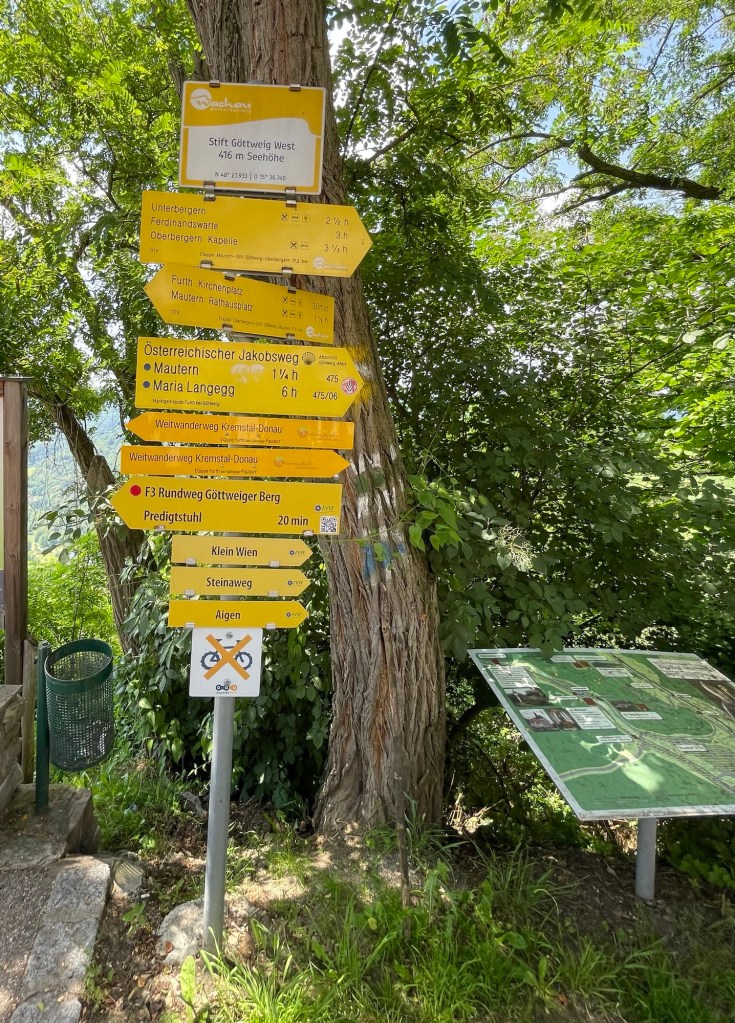
The grounds at the Abbey were beautiful. The sign in the next photo included direction to a walking path that joins with or is part of the Camino de Santiago in Spain.

We had time to walk around on our own in the afternoon.

Krems
Krems
Krems
Krems
Krems
In Krems

The ship left Krems late that evening for the next port of Vienna, Austria.

I might have broken this post up into two parts, and/or spent more time on it, but I have had a very busy last couple of weeks since we got home from the river cruise. We had our annual family reunion at our family cabin, which meant house guests and a bunch of activities. Now we are leaving on another vacation tomorrow, so this is going to have to do. It will be several more weeks until I am able to compose the final post(s) about the rest of our Viking River Cruise vacation, including the ports of Vienna, Bratislava, and Budapest, and getting back home. Pardon any typos (or better, tell me so I can fix them later).

Danube River Cruise Vacation Part 3: Harburg Castle, Rothenburg, Getting to Passau

This post is the third in a series about our Danube River Cruise vacation that happened this June 2024. Click here for the link to Part 1: Planning and Getting to Munich. Click here for the link to Part 2: Our Day in Munich. This third post is about our day trip to Harburg Castle and Rothenburg, and making our way to the ship in Passau.

Our second full day in Munich was the bus tour we had paid for months earlier, Romantic Road, Rothenburg, and Harburg Day Tour. We had been provided an address for the bus station, where we were supposed to meet for the tour first thing in the morning. We spent more time than necessary stressing about where exactly the bus station was and how we would find the right bus was once we got there. We allowed extra time in case it was not clear. As we approached the location, there were big coach busses lined up on the street that could not have been easier to identify.

The tour started with a two hour long drive through the Bavarian countryside on the way to Harburg Castle, with ongoing commentary about the history of Germany, Munich, and the surrounding area. We were on the Autobahn for part of the way. The tour guide explained that while there is no speed limit for cars in most areas, there is for busses and trucks. There was not a ton of traffic and we did not see anyone going 100 miles per hour! We passed the exit for Dachau concentration camp. The tour guide talked about that for a bit, noting that although it is horrific, it needs to be talked about as part of history. We have our dark history in the United States too with slavery and treatment of native Americans.

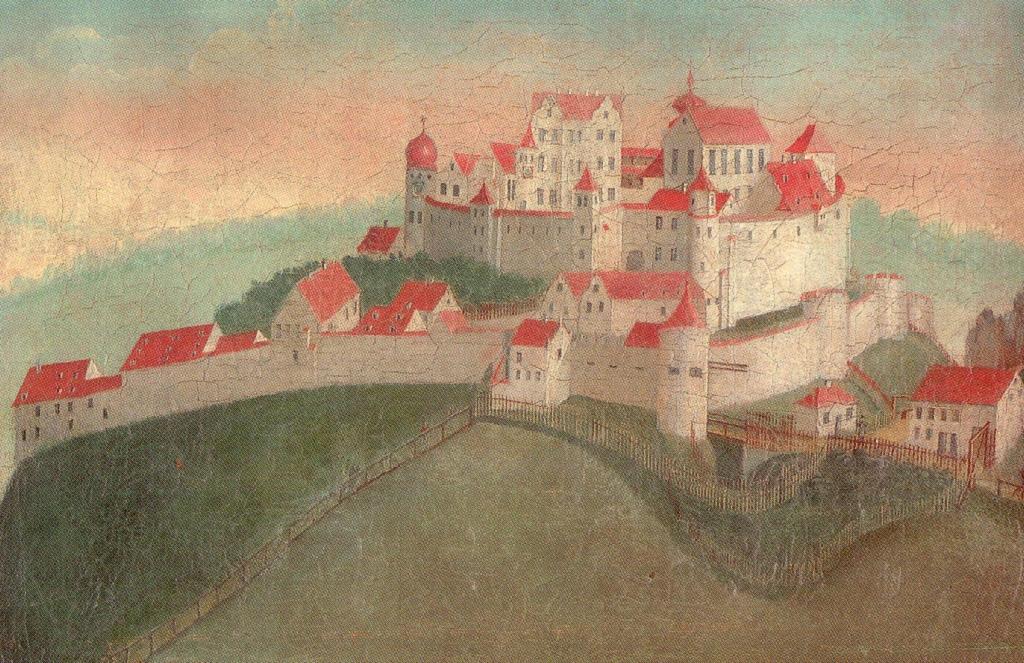
We had considered doing a day trip to the popular Neuschwanstein Castle, the inspiration for Disney’s Cinderella Castle. The tour we selected instead went to Harburg Castle and also included time in Rothenburg, a picturesque medieval village. Neuschwanstein Castle was built in the 1800’s, while Harburg Castle dates back to around 1100. It is very well preserved and was unaffected by wars, unlike many other castles that have only parts of them left or have been rebuilt. Following is a painting of Harburg Castle in the 17th Century, artist unknown. We enjoyed the tour of Harburg Castle and learned a lot about life there in medieval times.

Painting of Harburg Castle from the 17th Century, artist unknown
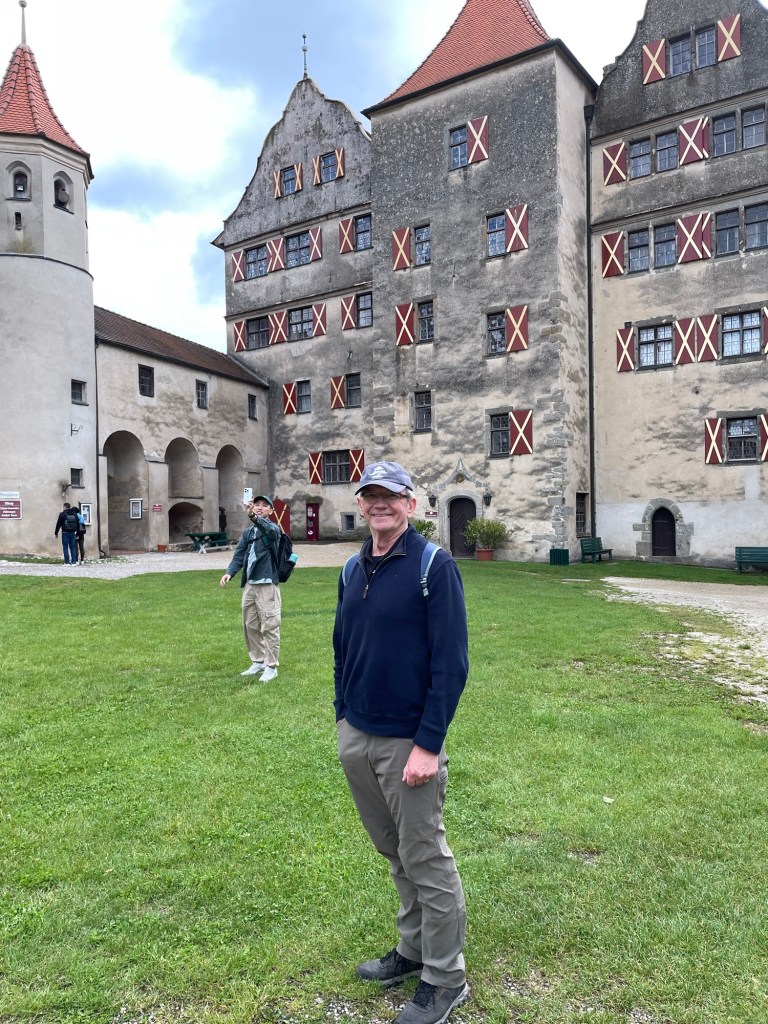
Wayne at Harburg Castle
Harburg Castle
Harburg Castle
Harburg Castle
Harburg Castle

After touring Harburg Castle, we spent the rest of the afternoon in Rothenburg. Walt Disney visited this fairytale town which became the inspiration for the village in the movie Pinocchio.

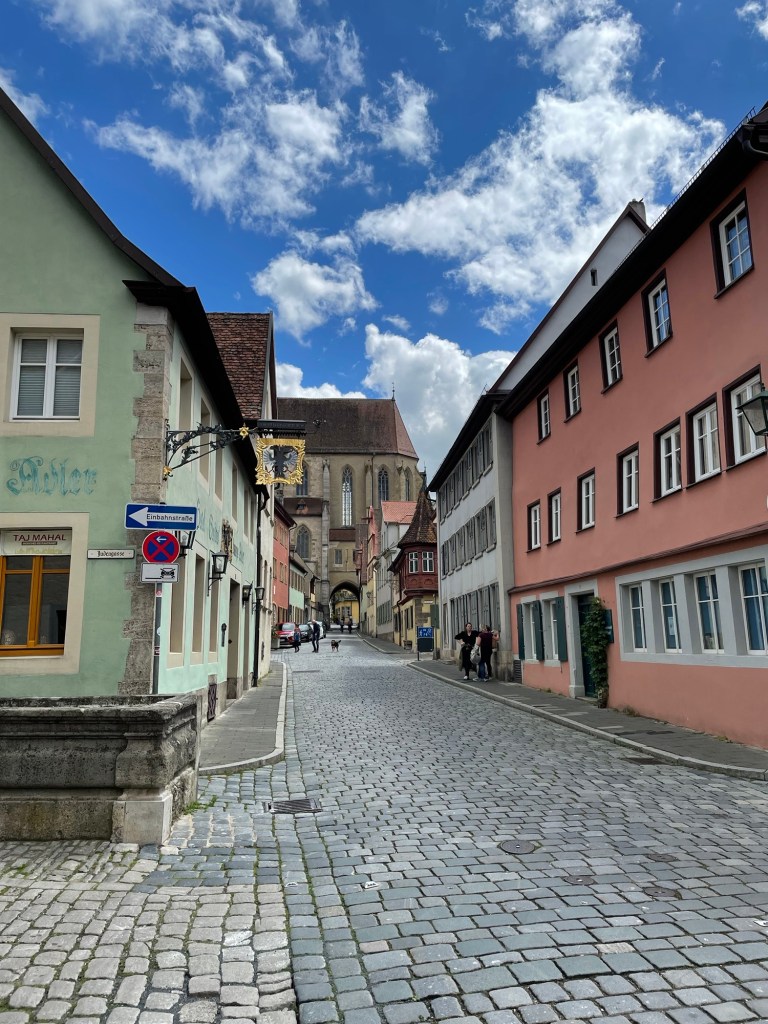
Rothenburg
Rothenburg
Rothenburg
Rothenburg
Rothenburg

We had to try the local sweet specialty in Rothenburg, “Snowballs”, a kind of wadded up ball of shortbread with frosting.

Snowballs, a Rothenburg local specialty

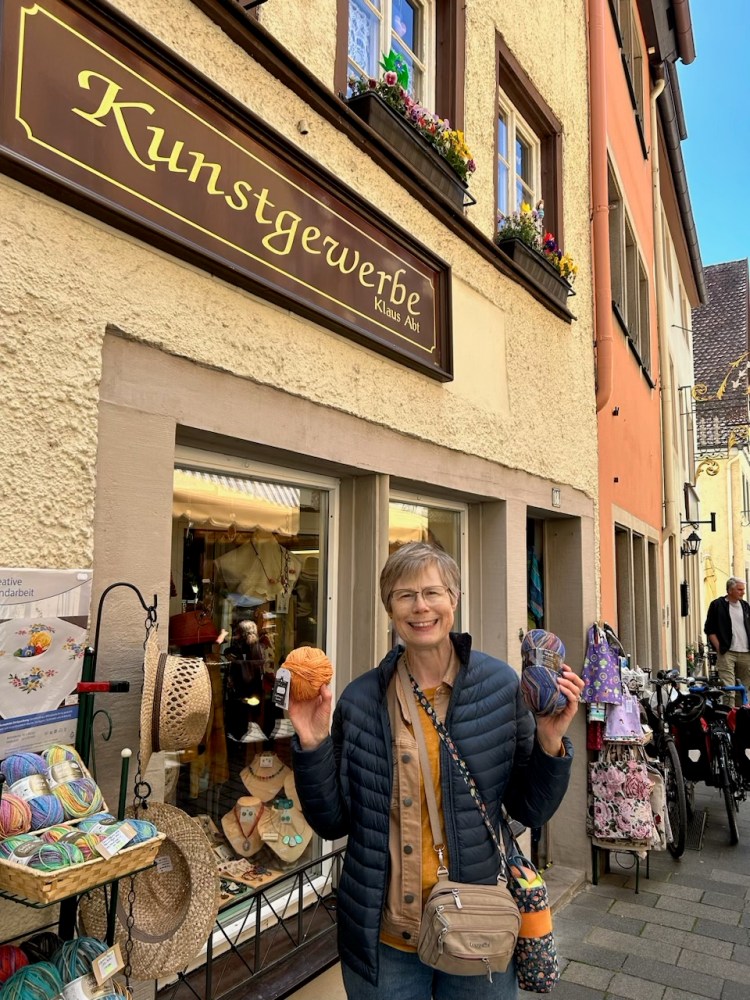
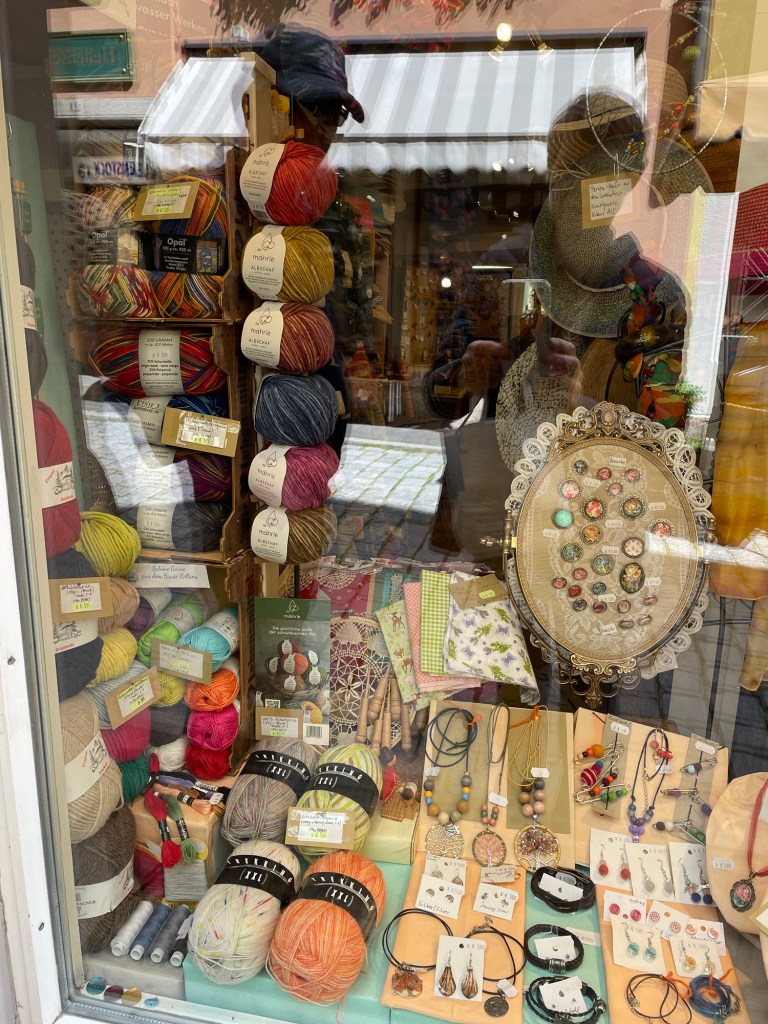
While wandering the narrow streets we found a shop with yarn. Even though the German brands of yarn for sale can be found at home, I bought two skeins as souvenirs.

A shop in Rothenburg with yarn for sale
My souvenirs from Rothenburg

The next day, Day 5 since had left home, was the day of embarkation for the river cruise. We had purchased train tickets from Munich to Passau ahead of time, although we probably could have bought them at the last minute. The train goes to Osterhofen, where we had to change to a bus for the rest of the way. The amount of time allowed for the transfer was six minutes. That did not seem like enough time, but we figured that the worst case scenario if we missed the transfer was that we could get on the next train which ran every hour. The train was very clean and nice, and left right on time. When we got to Osterhofen, the end of the line, a group of passengers all got off and were all going to Passau. We were directed to walk literally a few steps to a road where the bus came by moments later. Easy peasy and did not even need six minutes.

Taking the train from Munich to Passau

There are two different places in Passau where our Viking Ship, the Embla, could have been docked. One is right in the heart of Passau within walking distance of the bus/train station. The other location, called Lindau, is a couple of miles away. They don’t tell you the location ahead of time because river conditions are constantly changing, and decisions are made day by day, sometimes hour by hour, as to exactly where the ship will be located. Viking had given us a phone number to call to get the location of the ship in Passau when we arrived. While we were still on the bus, Wayne called the Viking number and was told that the ship was at the Lindau location.

It was around 11:30 am when we arrived in Passau. Lunch was being served on the ship, so it made sense to check in, eat lunch, and then walk around on our own in Passau in the afternoon. There were several taxis waiting outside the bus station available to take us to Lindau, so we picked one and started putting our bags in the trunk. As soon as we told the taxi driver where we were going, she said (in English) “Ummm I was just at Lindau and your ship is not there”. Meanwhile Wayne was on the phone with our brother-in-law Gayle, who was waiting at the airport in Munich with his wife, Wayne’s sister Yvonne, for their ride to the ship provided by Viking. They were told that the ship was in a location about an hour down the river. Okaaayyyy. The taxi driver made a call to confirm her information, and Wayne called the Viking number again. This time Wayne was given an address that was consistent with what Gayle was being told. Viking apologized and told us they would pay for the long taxi ride to get to the ship. That was not normally included for us since we had arrived in Munich early, but I guess they felt bad for giving us the wrong information at first.

We did not think there was anything to do at the location of the ship, so we decided to put our bags in a locker and spend a few hours in Passau. Note to self: make sure you know where you are when you put your bags in a locker. More about Passau later in the next post, but it is a charming medieval town at the confluence of three rivers. We enjoyed meandering about the cobblestone streets of the old town, and found a place to eat lunch. By around 4:00 we thought it was time to go back to the bus station, get our bags, and catch a taxi to the ship in order to have a little time to settle in before dinner. We had a map of old town Passau, but we were confused about where the bus had dropped us off. We walked and walked, first being turned around and having trouble finding where we thought the bus station was, and then after finally finding that location, realizing that was NOT where the bus had dropped us off. We finally figured it out and were very relieved and exhausted when we arrived at the right place and got our bags out of the locker. We found another taxi but this driver did not speak English. We showed him the address provided by Viking and we were on our way.

When we arrived at the Viking ship Embla, the staff were expecting us, and immediately offered us a cash refund (in Euros) for the cost of the taxi. Yvonne and Gayle had just recently arrived at the ship. Marlene and Steve, Wayne’s other sister and brother-in-law, also arrived shortly. We all enjoyed a lovely first dinner together onboard.

Our travel group on the top deck of the ship

After dinner the ship captain explained that the reason for docking in the remote location was related to the recent flooding. Sometimes the water is so high that the long ships cannot fit under bridges. In this case there was a lock that the ship had to go through to get to Passau. The flooding had caused mud and debris to accumulate in the lock, so it was in the process of getting cleaned out. Luckily, the lock was back in order for use that evening and the ship moved up the river to Passau for the night. All the passengers enjoyed kicking off the week by sitting on the open top deck watching as the ship went through the lock and proceeded to sail into Passau.

People have strong opinions about cruising. Some people say they will never go on a cruise. However a river cruise is very different from an ocean cruise, a river cruise long ship is very different from a big ocean cruise ship. River cruise long ships are much smaller and all similar with a capacity for about 190 passengers. The focus is on education rather than entertainment. There is no pool, no casino, no theater. There are no kids, and hardly any people under age 50. Viking River cruises include a free walking tour or overview bus tour at each port, depending on the size of the town. There are a few other options for shore excursions instead of, or in addition to, the free tour. Our travel group of six people only did the free tours, and at some of the ports we had time to explore more on our own.

One of the reasons we liked the Passau to Budapest itinerary is that the ship stayed in Passau overnight at the beginning, and it stayed overnight in Budapest at the end. That allowed time to see those cities without spending extra time there before or after the cruise. Following our first night on board, we were ready for the walking tour of Passau in the morning. More about our cruise experience and some of the ports in the next post.

Danube River Cruise Vacation Part 2: Our day in Munich

This post is the second in a series about our Danube River Cruise vacation that happened this June 2024. Click here for the link to Part 1: Planning and Getting to Munich. Part 2 is about our day in old town Munich.

Our trip included two full days in Munich before the cruise (which meant that we were not eligible for the free transfer to the ship). The first day we walked around Old Town Munich on our own, taking in the sights and getting in 20,000 steps. The second day we had purchased a tour ahead of time to see a castle and a medieval town. The morning after that we made our way to the ship via train, bus and taxi, which turned out to be a bit more of an adventure than we had expected.

Our cell phone company, AT&T, has a couple of options for international phone service. Wayne used the $12 per day International Day Pass plan. We used his phone for navigating, phone calls to our travel companions, looking up information, etc. I had my phone on airplane mode the entire trip, but with the option to make calls or texts for emergencies with a reasonable per use fee. When we got to the ship later there was free (sketchy) wifi, but at least I could send and receive emails and texts. I tried to stay off my phone as much as possible, but I did not want to have 1000 emails when I got home.

We thought it might be raining in Munich, but fortunately the very wet period of weather was over by the time we got there. Even though it was dry, I was glad I brought my hiking shoes as they are very comfortable for extensive walking. The temperatures were a little cool but good for sight seeing. As we walked around Munich there were so many interesting things to notice, in addition to seeking out the typical tourist sites.

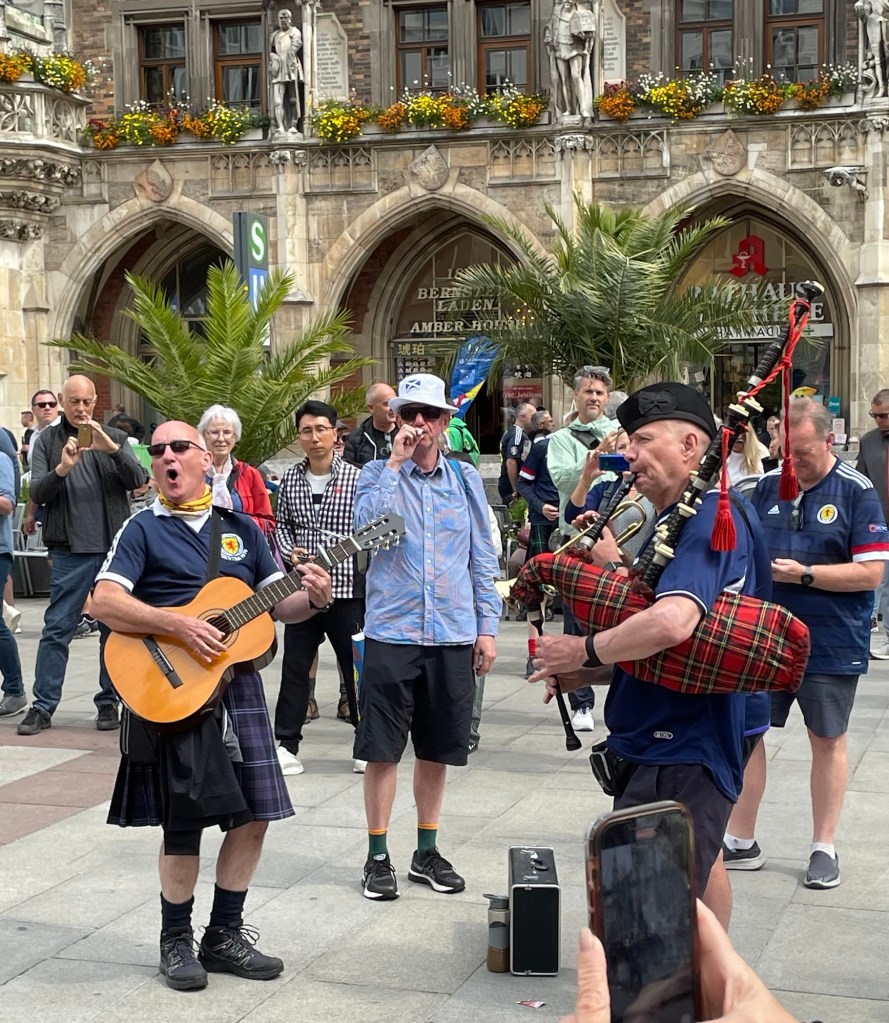
Our number one observation in Munich was that the Euro2024 soccer tournament was a huge deal. It was really fun to get in on the mania. There were thousands of soccer fans everywhere, including many from Scotland decked out in kilts and team shirts. Our son went to the University of Wisconsin at Madison, which is known for challenging academics as well as hard partying. One time when we visited campus on a football game weekend, many people were out drinking and being crazy starting at 10:00 in the morning. Munich on this Friday at the beginning of the soccer tournament was like Madison on game day, times 10.

Soccer fans from Scotland wearing kilts were out in droves

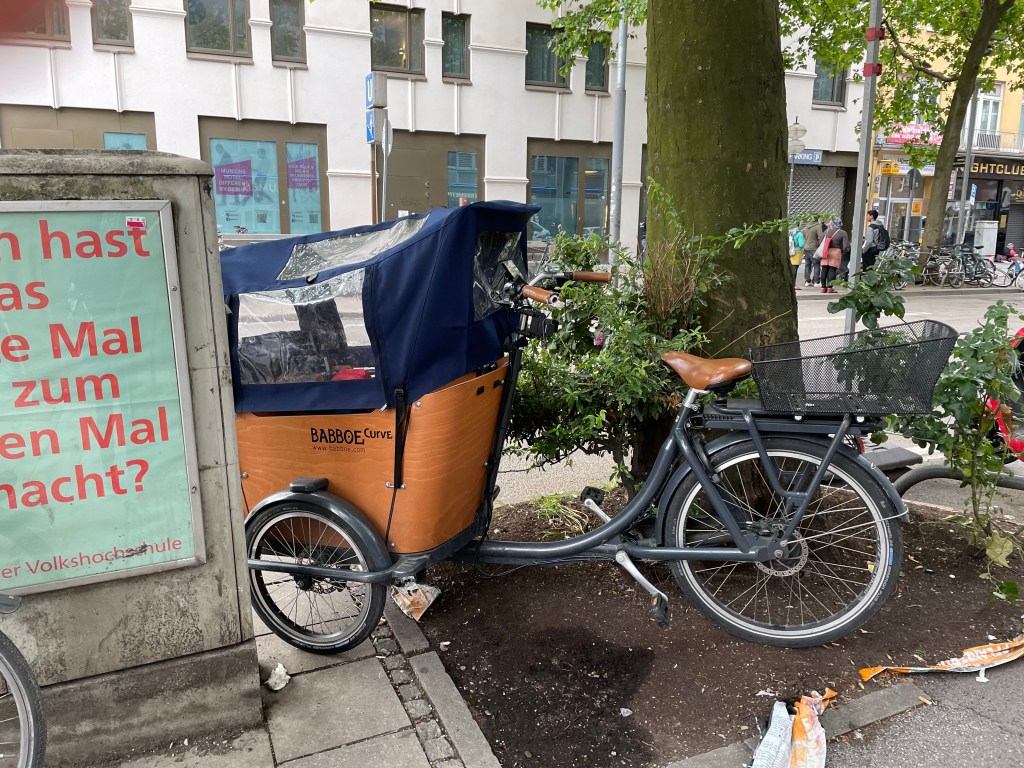
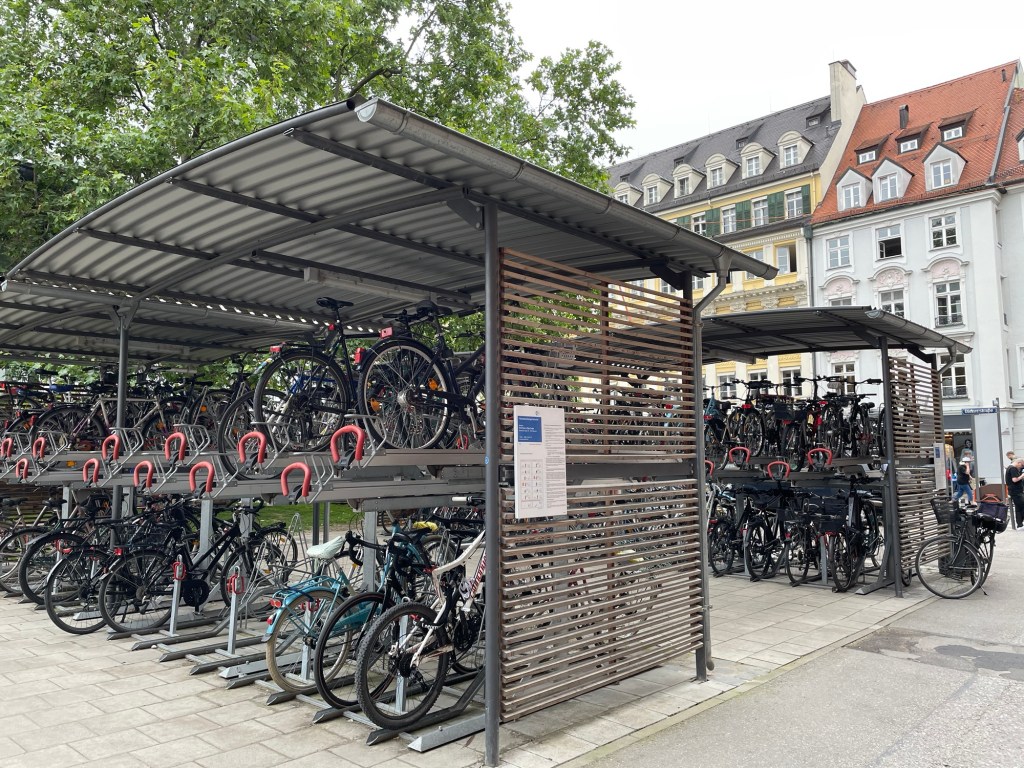
There were many options for public transportation to get around the city. Munich was also extremely bike friendly. Many of the streets we walked along had dedicated bike lanes that were designed as part of the sidewalk, rather than a marked off area in the street. In addition to many bike commuters, we saw a mini UPS delivery trailer towed by a bike, and several variations of cargo style bikes, some with a built in enclosed child carrier. We also saw a two decker bike storage rack.

Cargo bike with child carrier built in
Two decker bike storage rack

It is impossible to include enough photos or information to get a complete idea of all that we saw and did. I have included a few photos here that I took while we walked around all day in the old town area of Munich.

Old Town Munich
Old Town Munich
Old Town Munich
Old Town Munich

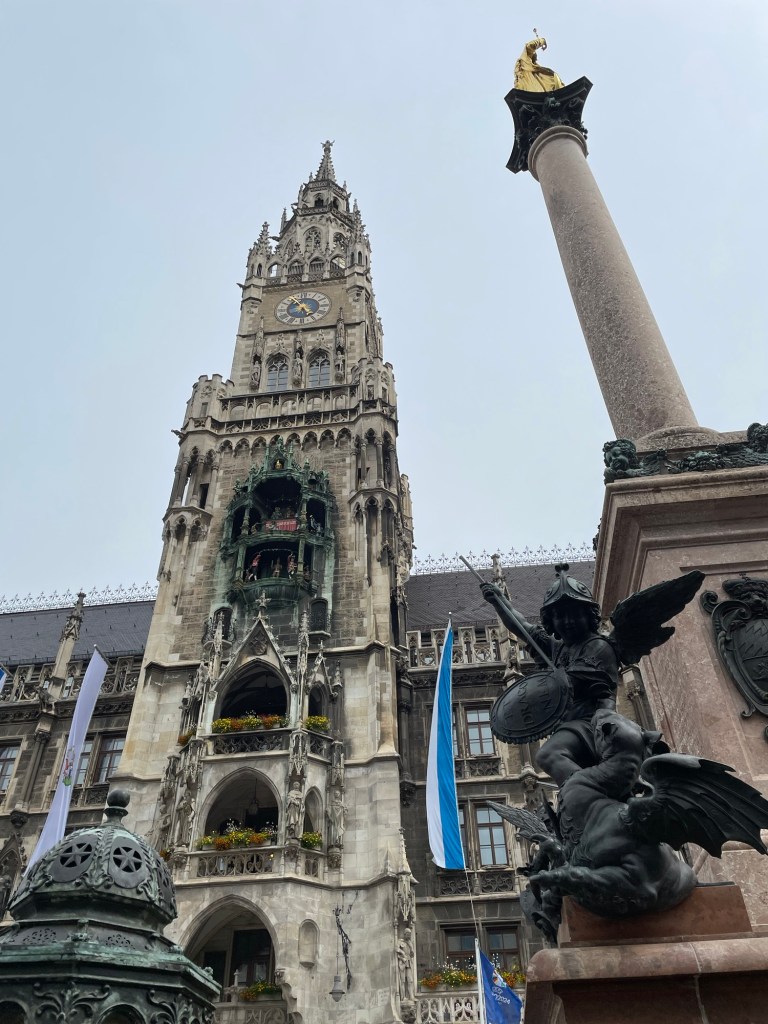
We made sure to be at Marienplatz, the main central plaza since the middle ages, at the right time to see and hear the famous Glockenspiel Clock.

Marienplatz Plaza

The following photo is zoomed in a little closer to the life size characters on the Glockenspiel Clock on the tower that move and tell stories of Munich’s history several times a day.

Some musicians in their Scottish gear were performing in the square.

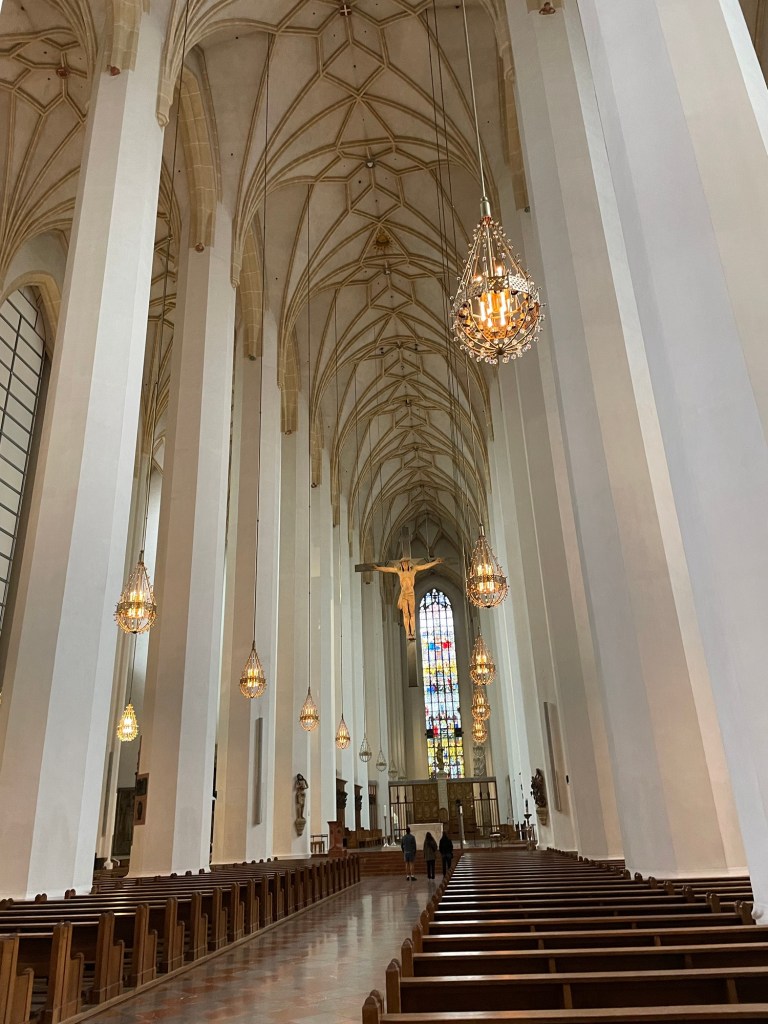
Every city we went to has a big Cathedral. Frauen Church in Munich is late Gothic style from the 15th century.

Frauen Church

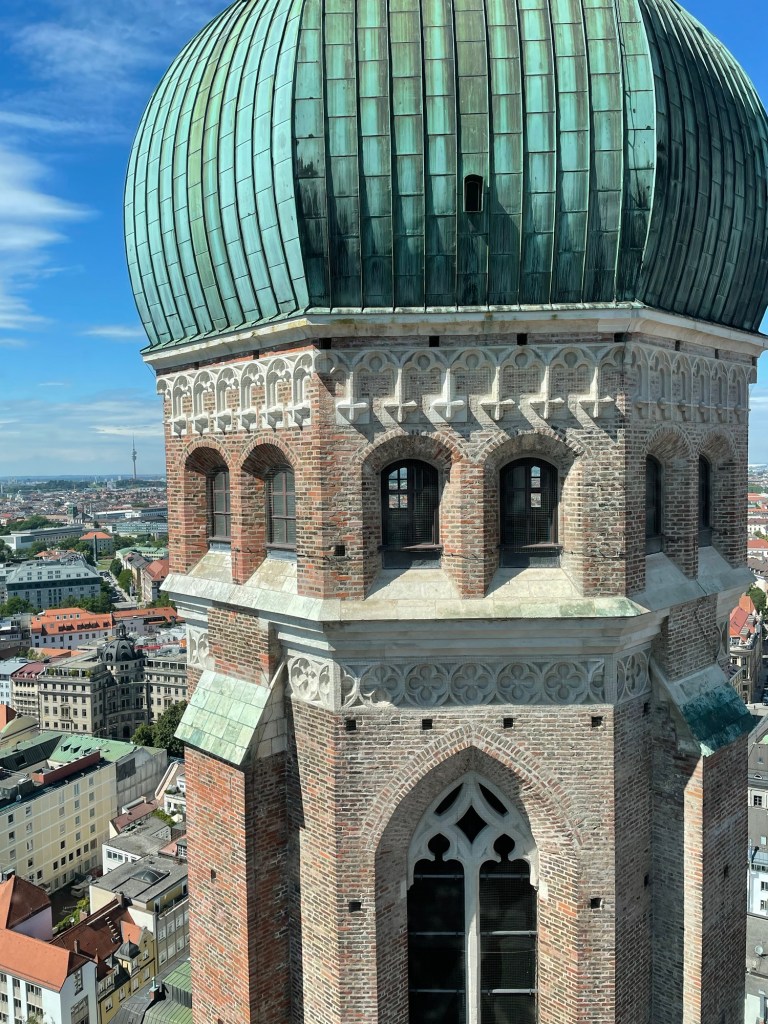
Frauen Church has two big towers that are landmarks in the city. You can go up inside one of the towers for an excellent view of the city. We did that, and following is a photo looking out from there to the other tower. We could see the Marienplatz square from above, which at this time was closed off for an event related to the soccer tournament. It was wall to wall people, so we were glad we had visited the square earlier.

Frauen Church tower

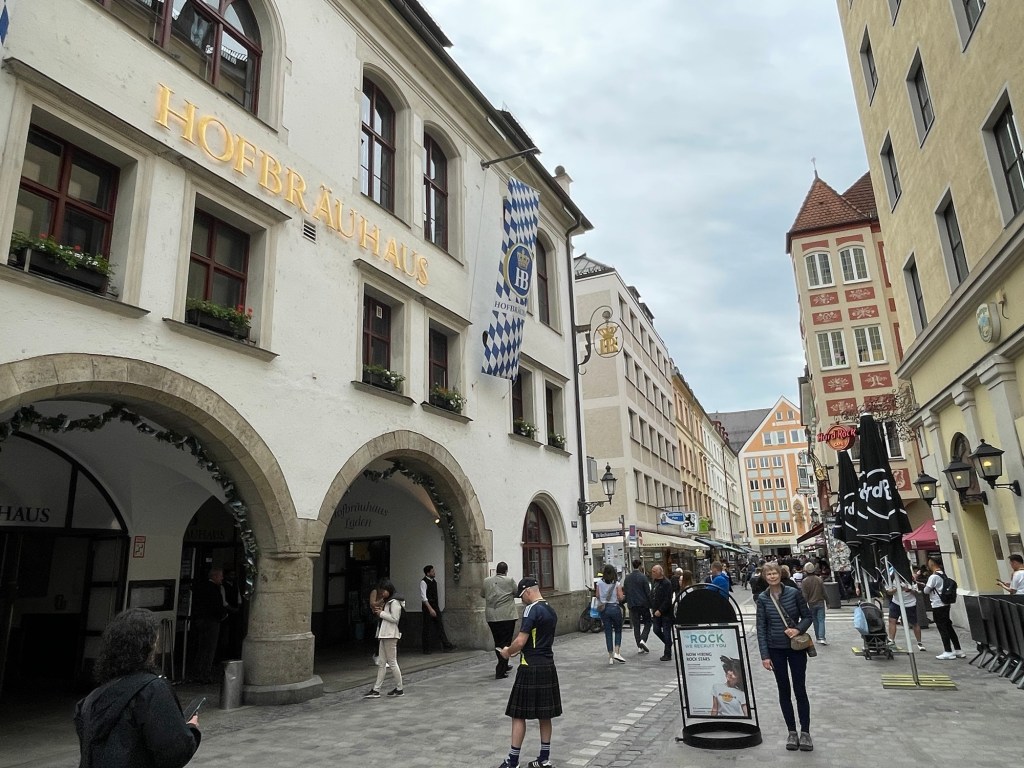
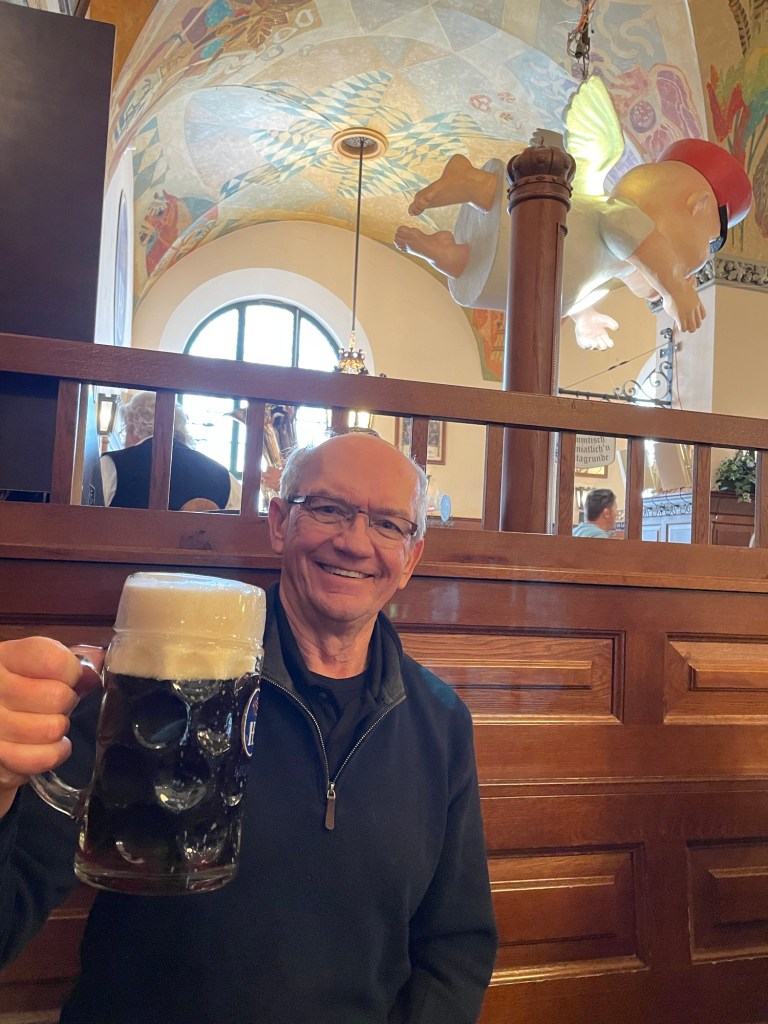
We had lunch at Hofbrau Haus, Germany’s most famous beer hall.

Me outside Hofbrau Haus, Munich’s most famous beer hall
Wayne having a beer inside Hofbrau Haus
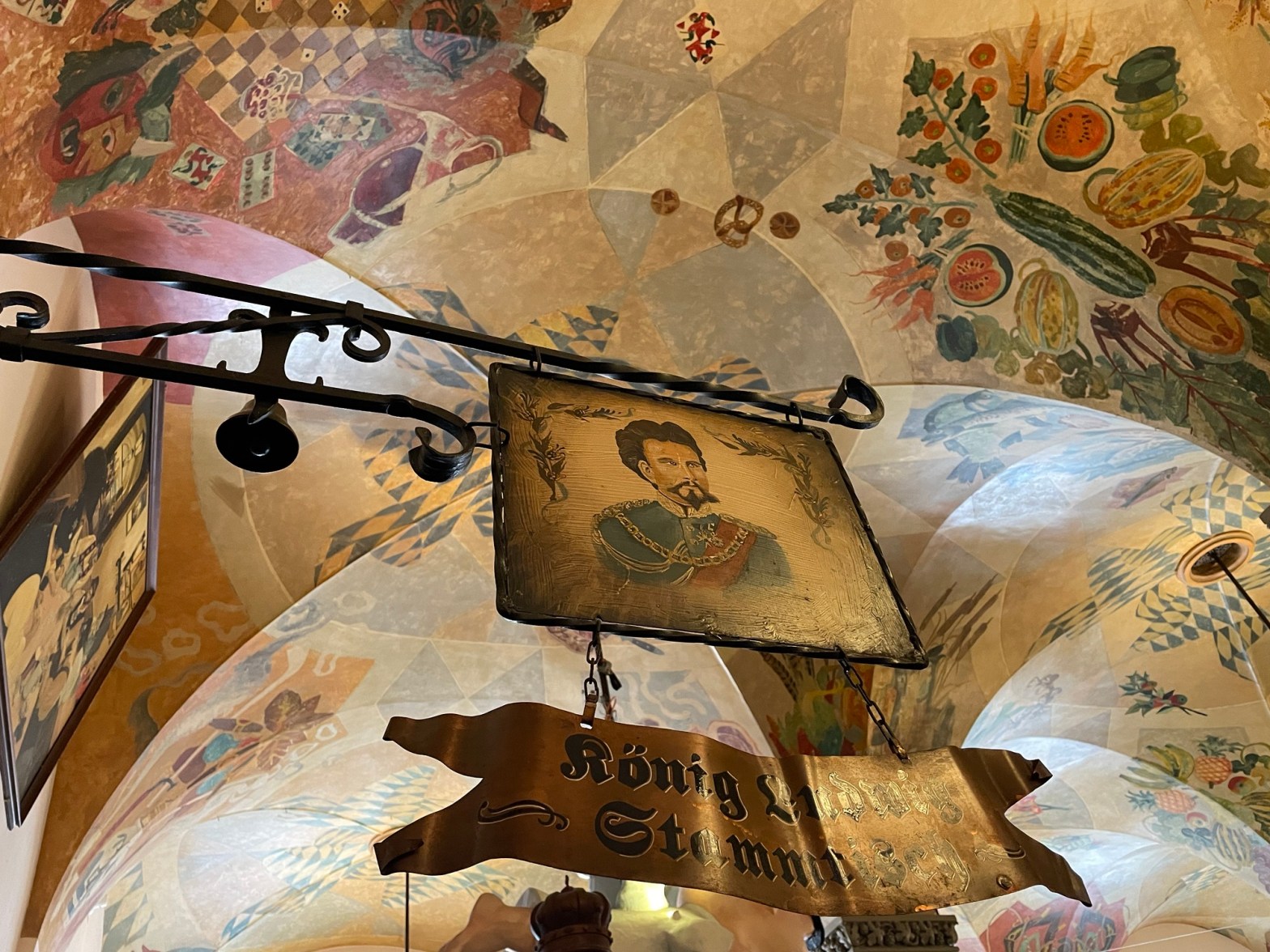
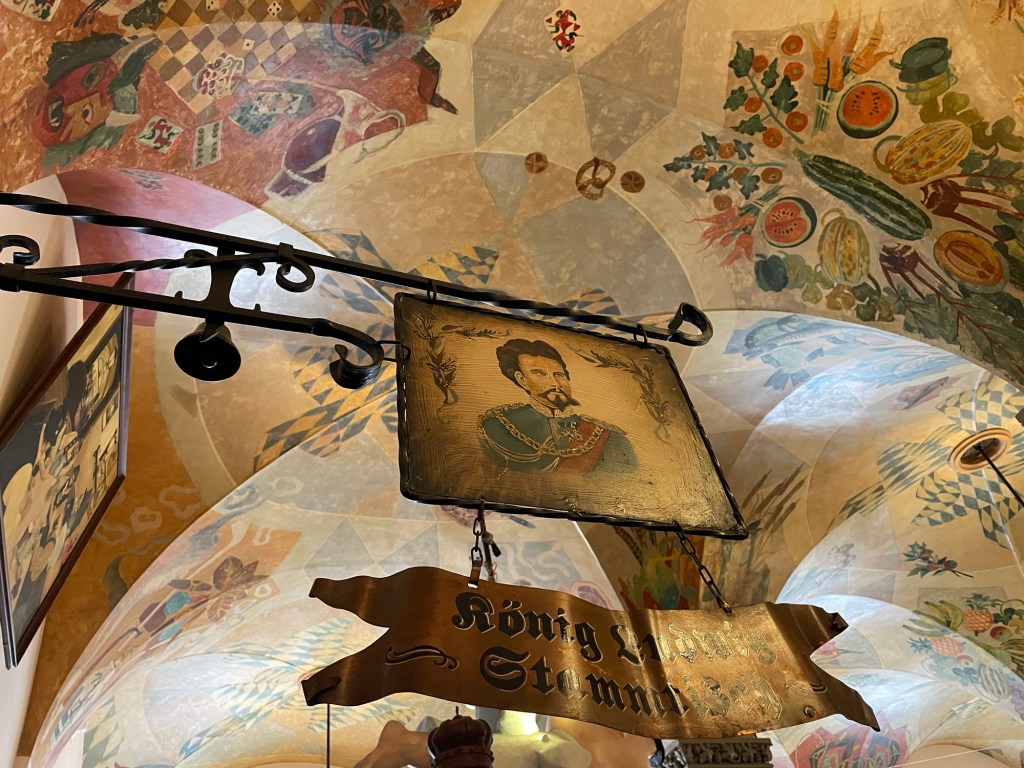
Fun decorations inside Hofbrau Haus

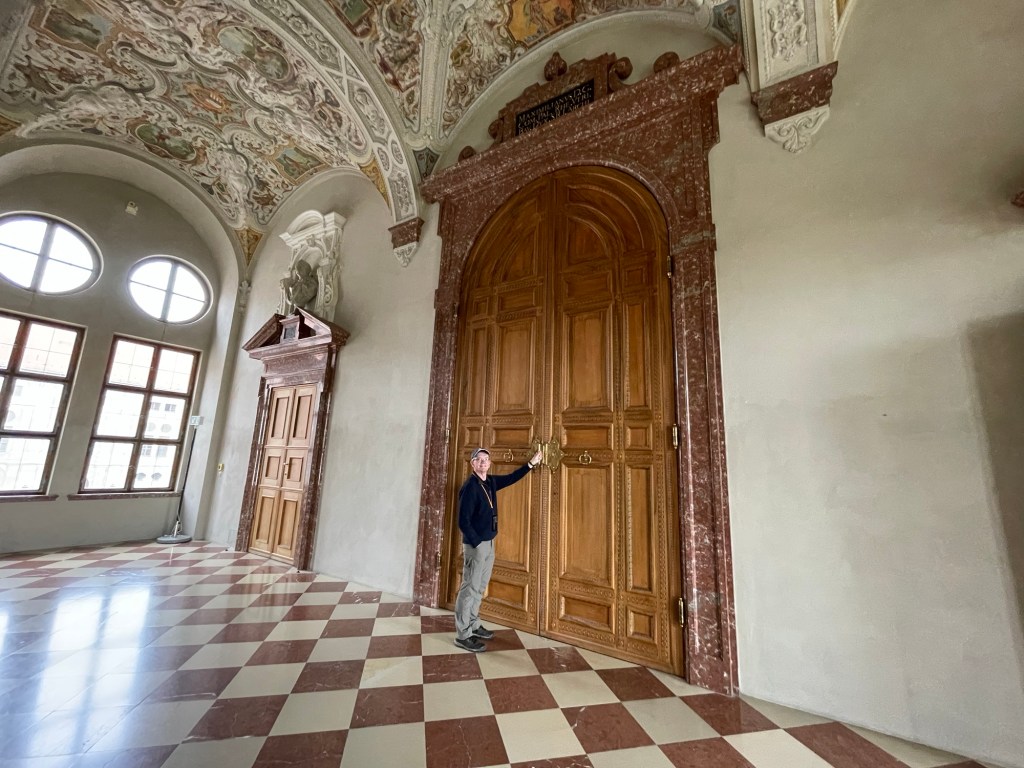
Following are a couple of photos from Residence, a huge ornate government building and Royal Palace complex used from 1508 to 1918.

Giant door inside Residence
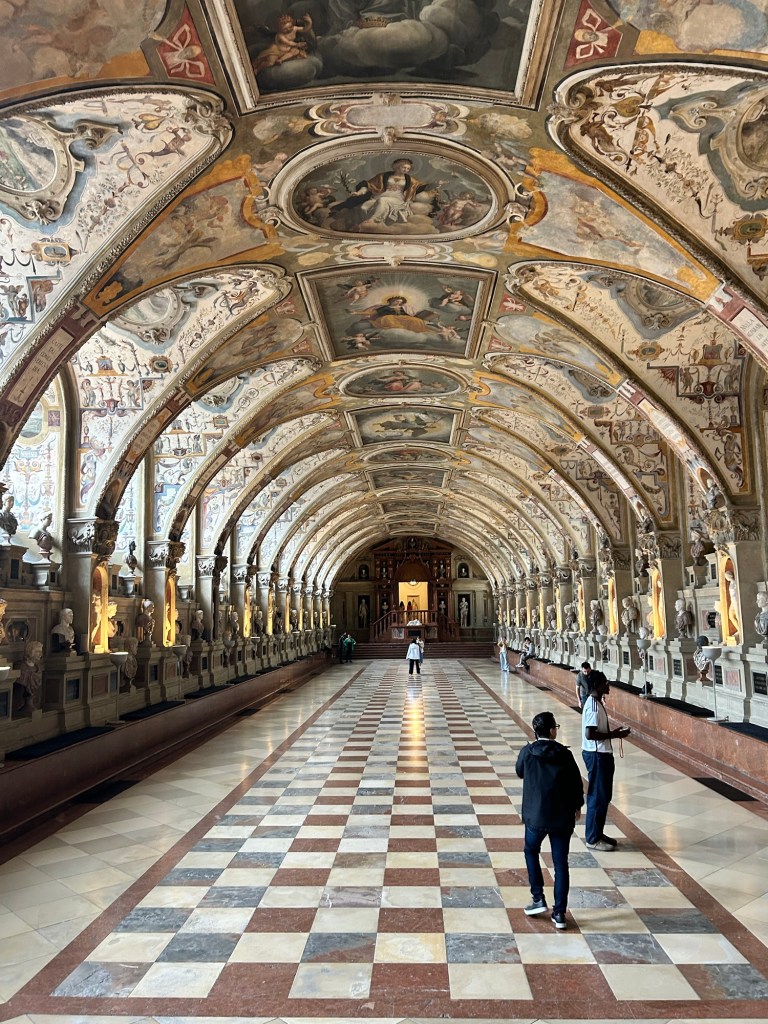
Inside Residence

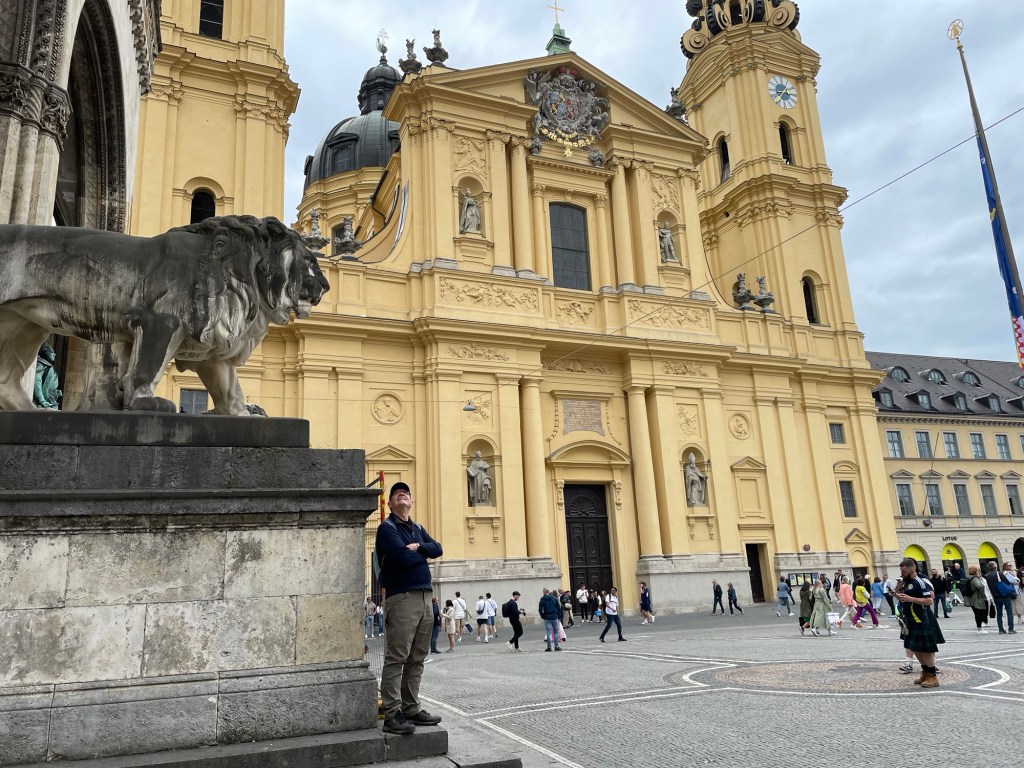
The next photo is Theatinerkirche St. Kajetan, known as “the yellow church”.

Wayne in front of the Yellow Church

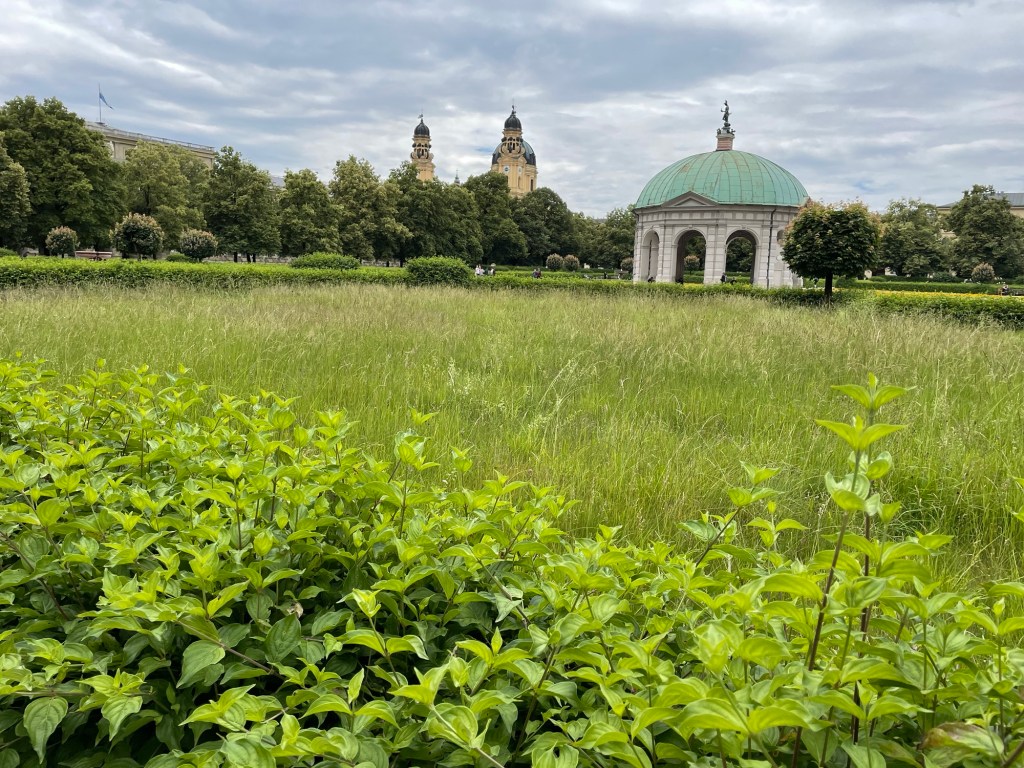
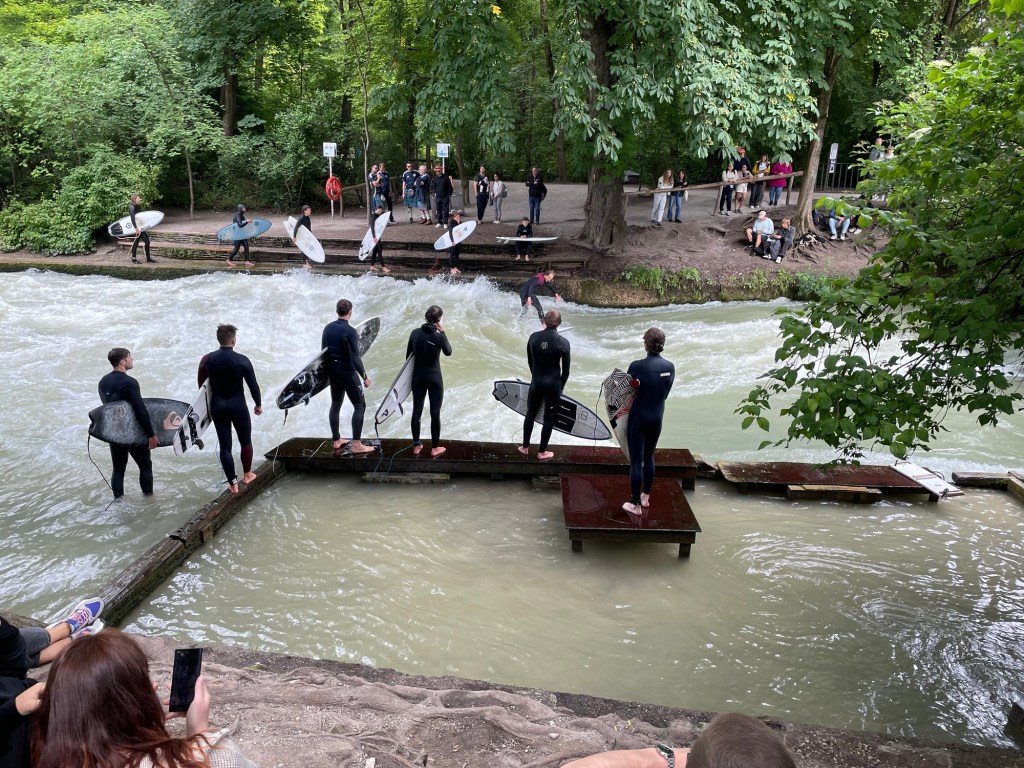
The English Garden is an urban park in Munich, even larger than Central Park in New York City. It is a beautiful green space with gardens and paths for walking and biking. We saw only a fraction of the place. One of the more unusual things there was a rapids area of the Eisbach river that is popular for surfing.

The English Garden
Eisbach surfers

We happened upon a restaurant for dinner with access from inside a courtyard. It was pretty empty, which seemed unusual for a Friday evening. It turned out that all the customers that might have been there were either at the Scotland vs Germany soccer game, or watching it somewhere. There were big screen TVs set up in many locations for watch parties. Lucky for us, as we were able to have a quiet dinner with personal attention and conversation with the staff. At this restaurant and a couple of others later the staff apparently thought we were locals. I guess that is a good thing. Once they realized we were Americans they brought us menus in English.

That night at the hotel there were soccer fans partying loudly until the wee hours. Normally I would be unhappy about that, but it was all part of the soccer experience we did not even know we were going to have. We had to get up first thing the next morning for our tour to Harburg Castle and the town of Rothenburg. The tour, as well as getting from Munich to where the cruise started in Passau, is featured in the next post, Part 3.

Danube River Cruise Vacation Part 1: Planning and Getting to Munich

Over a year ago we made plans with Wayne’s two sisters and their husbands to go on a Viking River Cruise to celebrate our 40th Wedding Anniversary. I had been wanting to do this for a long time after seeing the advertisements on PBS, and hearing from other people who had been on a river cruise. This vacation finally happened in June 2024. It was a big trip with too much to write about for one post. In this first post I will write about planning for the trip, and getting to Munich a couple of days before the cruise started.

Once the group decided on a time frame (June), length (a week), and cruise company (Viking) for the trip, there were three options of itineraries. One was a cruise on the Rhine River starting in Amsterdam, and two were similar itineraries on the Danube starting in Germany. We easily picked the Danube itinerary starting in Passau, Germany, and ending in Budapest, Hungary. I have to confess I had never heard of Passau, and I knew hardly anything about most of the other ports. The itinerary included stops along the way at three cities in Austria (Linz, Krems, and Vienna) and in Bratislava, Slovakia. Interestingly, when sharing our plans with friends later, two different people said they had just recently been to Passau on a biking vacation. Following is a map of our itinerary from the Viking web site.

Our Viking River Cruise Itinerary

We had heard about the possibility of low water levels on the Danube which can affect the ability of ships to navigate the river. This seemed to be more of an issue later in the summer, so it was a factor in deciding to book for June. What we did not think of was that high water levels also present problems. We started to get worried a few weeks before our departure date after seeing weather reports with tons of rain and flooding in the areas where we were going. Oh no. More on that later.

Another planning decision was whether to purchase airfare from the cruise line or buy that on our own. The fare offered by the cruise line was a good deal, and we would be able to cancel it if we changed our mind up to a certain date. Airfare includes transportation to and from the ship if you are going directly there and home. There is limited ability to make adjustments to whatever itinerary they assign you. We all paid for the cruise line airfare which I am sure was the best deal. Because Wayne and I decided to fly into Munich a few days early, we were not eligible for the free transfer to the ship about two hours away. We were comfortable with getting there on our own. At the end of the cruise, we all took advantage of the cruise line transfers and went directly home from Budapest (at least that was the plan).

After we made these decisions and paid our deposit, there was not any other preparation needed for a long time until the final payment was due. When it finally came time for the vacation, it seemed like it was free since we had paid for it a long time ago. Haha.

I was planning what clothing and other items to bring for months ahead of time, with a list that I added notes to here and there as I thought of things. On the other hand, Wayne suddenly realized he could use a couple of new clothing items about 2 weeks before the cruise. We wanted to travel with one carryon size rollaway bag and backpack each, since we knew we would be dragging them around on our own in Munich and getting to the ship. In the end we changed out one of the carryon bags for a slightly larger rollaway bag that might have been considered a carryon bag years ago. We were able to easily fit everything we wanted to bring in this amount of luggage, including at the last minute deciding to bring hiking shoes and rain gear due to wet conditions in the weather reports.

Suitcases at our son’s house ready to go to the airport

We have been on several ocean cruises in the past. Ocean cruises have changed over the years, and river cruises are a different thing all together. Luggage for our first ocean cruise over 20 years ago included giant suitcases and clothes for “formal night” (a long gown and appropriate shoes and accessories for me) and “theme night” (Wayne brought cowboy boots)! Since then ocean cruises have become less formal with more options for casual meals and skipping the formal night if you are not into that. More about how river cruises are different in a later post.

I had a pair of denim capris for many years that fit perfectly and that I wore often, but they were stained and the fabric was wearing out. I tried to find a replacement pair for this trip. In the search process I found out that capris were coming back into style. What? I did not know they went out of style. I bought and returned several pairs but none of them matched the fit and comfort of the old pair. I gave up looking and instead took a pair of ankle pant jeans I already owned that fit but never seemed to be the right length, and cut them off into capris. I also added panels to make them flair a bit at the bottom. I bought a new pair of very stretchy denim like pants that would be comfortable for the long plane flight and for sightseeing in cooler weather, and a few other clothing items.

Ankle pants upcycled into flair capris

I needed a knitting project to bring on the Viking River Cruise trip. A friend suggested that this trip could be a time to disconnect and take a break from my normal life, including knitting. Maybe. Sometimes if I am knitting I am so focused on the project that I am oblivious to what is going on around me. On this trip I did not want to miss any scenery or anything else going on. However there was also a very long plane ride, and probably down times when I wouldn’t miss anything if I was knitting.

I decided on a cowl / bandana pattern that could be knit up with one skein of yarn from my stash. The free pattern is Bandana Cowl from Purl Soho. I found some yarn I bought while on a friend’s trip to the Traverse City area of Michigan in the summer of 2022. I wrote about that trip here. The yarn is Araucania, hand dyed in Chile. It is 30% alpaca / 45% merino wool / 15% silk / 10% donegal. I have not heard of donegal, but determined it is merino tweed from Ireland. This yarn is super soft, which is good for a cowl that will be up against the face. The green color does not go with my jacket, so it will be a gift for someone TBD. Or maybe it is time for me to buy a new jacket!

Yarn for bandana / cowl knitting project

The time for the trip finally arrived after a long period of anticipation and planning. Since we live in West Central Minnesota, we had to drive to the Twin Cities to catch our flight. Most of the flights to Europe are red-eye flights that leave later in the day and fly overnight. Our flight did not leave until 7:50pm, so we could have driven the three hours down to the Cities that morning. However we wanted to see our son, daughter-in-law and granddaughter, so we drove down the day before.

Once we were finally at the airport it was real! We checked the larger bag and carried on the smaller bag, with clothing for each of us in the one carry on in case the checked bag got delayed. While waiting at the gate for boarding, I cast on the cowl knitting project.

In MSP airport

The long flight to Paris on Air France was uneventful. I knitted some and read a book on my kindle, and tried to sleep. We were served several meals, including the cucumber and cream cheese sandwich in the next photo. A packet of celery salt came with the tomato juice I ordered. I guess you were supposed to put it in the tomato juice, but it was good sprinkled on the sandwich.

Sandwich on the long overseas flight

At the airport in Paris it was the next morning. We had to walk a long way to another terminal, get our checked bag, go through customs, and go through security again before finding our gate for the second leg of the journey from Paris to Munich. I can understand why my mom said she was done with air travel by her late seventies.

At the gate for our flight to Munich we thought it was unusual to see a guy in a kilt. Soon we saw another guy in a kilt. Then a bunch more. Wayne started googling and determined there was a big soccer tournament in Munich over the weekend, including a game with Scotland vs Munich. As the flight took off, the pilot welcomed all the soccer fans, which resulted in loud cheering, chanting and signing of team songs.

Wayne has never been to Paris, so we had considered spending a few days in Paris before the cruise, but ended up deciding that was too much for this trip. As we took off from Paris, Wayne could see the Eiffel Towel from the airplane window. We joked that now we do not need to come back to Paris. Haha. The flight from Paris to Munich was relatively short and before long we already landing.

I do not know any German. Wayne had taken German in high school but that was pretty useless. Virtually everyone we interacted with on this entire trip spoke English. Wayne had selected a hotel in the city that was accessible from the airport by train, and about a 15 minute walk to the Munich old town area. It was not too hard to follow the signage in the airport to get our one checked bag, get from there to the airport train stop, buy a train ticket from a machine, and find the right train to the city center. By the time we checked in to our hotel, it was mid to late afternoon local time on our second day of travel, but our body clocks were at close to midnight. We were ready for a nap.

Our hotel in Munich

The hotel looked like it had been recently remodeled. The bedding was typical for Europe with individual duvets, no top sheets.

European style bedding in our Munich hotel

Wayne enjoyed a coffee on the small balcony that overlooked a courtyard.

After napping, we walked to Paulaner Brauhaus, a popular local brewhouse, for a German dinner.

We both had very German meals. If you are trying for a lighter Mediterranean diet, this is not the place.

Braumeisterschnitzel
Hällischer Schweinerücken vom Grill, pikante Obatzda-Braumalzkruste,
saftig geschmortes Wurzelgemüse, Kartoffelnockerl, frische Kräuter 18,00
brewmaster Schnitzel, pork loin, spicy crust of cream cheese & brewers malt, juicy root vegetables,
gnocchi, fresh herbs

We saw posters for the soccer tournament all over. Many folks out and about were clearly in town the event.

By the time we were done with dinner, it was late evening local time and seven hours later our time. After getting a decent nights sleep at the hotel, we were ready to tackle old town Munich, already day three of the trip. Sightseeing in Munich, a bus tour to Harburg Castle and the medieval town of Rothenburg, and getting to the ship in Passau will be featured in the next post.

Another Baby Ensemble

I knit a baby sweater while anticipating the birth of our granddaughter in June 2023. I used some pinkish yarn from Valley Yarns in a 48% cotton/ 46% modal/ 6 % silk blend. Modal is a fiber make from beech tree cellulose that is a breathable, absorbent alternative to cotton. It is very soft. Not ideal if you are going to wash it a bunch of times, but I had it on hand.

The pattern I used is called “Another 5 Hour Baby Sweater”. It is knit in the round from the top down, my preferred method for sweaters. It is available for free on Ravelry. Click here for the pattern.

The sweater is knit in stockinette stitch flat, with rows alternating between knit and purl stitches. The first three stitches are always knit on every row, even on the purl rows, which makes a mock front band and keeps the knitting from curling over.

I made a mistake on one of the front openings. I purled all the way across and forgot to knit the last three stitches. I noticed it after I had knit about 10 or 12 more rows. I tried to fix it by undoing those columns (one at a time), and reknitting the stitches using a crochet hook. I did not do it correctly on every stitch and eventually gave up, but my attempt camouflaged the problem a little, and it is covered up by the other side with the button holes. I forgot to take a photo.

I don’t know if it took five hours, but it was not long before the baby sized sweater was finished. The color is more accurate in the earlier photos, the following photo looks washed out.

The sweater looked very small. Unless you are comparing it to an actual baby, it is hard to guess what size it is. I remember when my daughter, Britta, was about 7 months old we travelled to see my friend and her infant twins. Being twins and premature, they were quite small. Britta had seemed like an average baby until she was up next to the tiny twins. My friend commented that Britta looked like she was ready to get a part time job in comparison.

I sewed a pair of flowered pants for Britta when she was a baby. The fabric matches the sweater, but they did not seem like the same size as the sweater. This outfit looks cute in the photo, but I did not think the two items would work as an ensemble. The pants seemed to me a bigger size than the sweater.

Over the holidays when Blair was about six months old I got a photo of her wearing the pink sweater, with a onesie and pants I found in her closet. She is wearing a Hanna Andersson cotton knit pilot cap. The flowered pants were at our house, not available to try on.

Blair wearing the pink sweater and a Hanna Andersson pilot cap

I used to have Hanna Andersson pilot caps for my son James (Blair’s dad) when he was an infant. Following is a photo of James at two months old looking very pudgy and wearing his pilot cap. For the record, he grew out of his baby fat nicely and is now almost 6′ 5″ tall and slender.

My son, Blair’s dad, at age two months wearing a Hanna Andersson pilot cap

After we got back from Arizona this spring, I wondered if the flowered pants might be the right size. When we went to James and Kelsey’s house I brought the pants along. The pink sweater was too small by this time. The flowered pants were the right size around the waist and bottom, but they were capri length. I don’t think they were supposed to be capri pants. Here she is wearing the flowered pants with a fishing shirt that Kelsey had as a baby.

I remember having a hard time managing all the baby clothes that people gave us. There were clothes that were only worn once, some that were never worn at all. I guess we will never know if the pink sweater and flowered pants might have worked together after all.

More Floor Loom Towels

After weaving the rest of the warp yarn that came on my vintage Structo Artcraft loom (read about that here), I was ready to make something on my floor loom. I had not used it since before Christmas, because I cannot bring it to Arizona! I decided to make another set of towels with the same cotton and linen yarn as I used for towels I made on my rigid heddle loom in Arizona (read about that project here), with different colors and a more complicated pattern.

The warp yarn is blue 100% cotton, off white 100% cotton, and a bit of yellow Gist Duet cotton/linen blend. The weft yarn is the same off white and yellow, but instead of the blue cotton, I used 100% blue linen yarn that I had dyed myself.

Hand dyed blue linen yarn, 100% cotton yarn in blue and off white, and yellow Gist Duet cotton/linen blend yarn

I used a pattern from Gist, adapting it for towel width.

I am still looking for the perfect place to use my warping board for measuring out warp yarn. It should be the right height so I am not bending over or reaching up high. It needs to be stable, not wobbling or jiggling. Nothing should be sticking out between the pegs or interfering with the path of the yarn. The yarn should flow easily off the cone or ball from the floor below. This time I hung the warping board on some cabinet door knobs above my kitchen desk, as it seemed like a good height and nothing was sticking out in the wrong place. I tied it on to the knobs with a ribbon, and then used painters tape to keep it immobile. It was not perfect as the yarn had to sit on the desk rather than the floor, and the wall of the pantry was right there. It worked as well or better than the other places in the house I have tried.

Blue cotton yarn measured out for towels

There are different ways to measure out multiple colors of warp yarn. I decided to measure out each of the three colors separately. In retrospect, knowing how that would affect the “sleying the reed” step, I would have done it differently.

Following is a photo with the three different warp yarn bundles, or “chains” as they are called, ready to be threaded through the reed. The red towels with similar yarn I made in Arizona had 12 warp yarns per inch. For this project I used the eight dent reed with two ends per slot, for a denser fabric with 16 yarns per inch.

All three colors of warp yarn measured and ready to go

The way to keep the warp yarn in order for floor loom projects is with a “cross” that forms as the yarn is measured out on the warping board. Two sticks are used to keep this cross in place as you “sley the reed” (thread the yarn ends through the slots in the reed), so the ends can be threaded in the same order as they were measured out. In the following photo the “cross” of the blue yarn is visible between the two sticks. The white warp bundle is bunched up on the sticks to the left of the blue yarn.

Threading the blue yarn through the reed, leaving empty spaces for the white and yellow

The pattern has seven blue ends, alternating with a block of seven ends composed of off white with one yellow in the middle. After threading on some of the blue, leaving empty slots for the off white and yellow, I realized that the off white ends would have to majorly reach across the blue ends as they filled in the spaces between the blocks of blue. The next photo is a close up of the blue ends threaded through the reed, with the empty slots waiting for white and yellow.

Close up of the blue ends through the reed, with spaces left for the off white and yellow

I wrote out some notes to help keep track of what order to thread the yarn ends through the slots. It was a little confusing given I was using two ends per slot with an odd number in the color blocks, so some slots have two different colors.

My threading notes for threading the reed and heddles

After threading all the blue yarn through the slots in the reed, it was time to figure out what to do about the white. My previous floor loom projects had all the warp yarns wound consecutively into one warp chain, with every slot in the reed filled as I went, leaving no spaces. I looked through various instructions in books and online, and found a suggestion that made sense to me to use another set of sticks for the white yarn that could sit on top of the blue yarn. I found two yard sticks that worked for the purpose. It was still messy looking but allowed the white yarn to spread out across the reed on top of the blue yarn, rather than reach way across from one side.

Threading the off white yarn through the reed using another set of sticks on top of the blue yarn

There were only 22 ends of yellow (one per pattern repeat), so I used a method of holding that bundle in my hand while maintaining the “cross” as I threaded (instead of using the lease sticks). I did not get a photo because both my hands were occupied. Following is a photo taken after all three colors were threaded through the slots of the reed.

All three colors threaded through the slots in the reed

The yellow Duet cotton/linen yarn is slightly thinner than the blue and off white cotton yarn, with one end of yellow in every repeat of 14 yarns. As I was working I wondered if the yellow was going to get lost in the pattern and not show up very well. Of course I should have thought about this before I measured out all the yarn for the project and starting sleying the reed. While it was still possible, if not ideal, I decided to add a strand of some yellow Cottolin yarn in with each end of the Duet yellow ends. Cottolin and Duet are both cotton / linen blends, but the Cottolin is thinner and the color I had was a little more goldish than the Duet. One strand of each together is thicker and would pop out better. The next photo shows the yellow Cottolin yarn next to the yellow Duet yarn.

Two yellow yarns together seemed better than the yellow Duet by itself

After threading all the colors and ends (317 ends, about 20″ across) through the reed, it was time to thread them through the heddles and tie them on at the back.

Threading the ends through the heddles and tying them on to the bar at the back of the loom
All warp ends threaded and tied on the back

After all the ends were tied on, I wound the warp yarn around the beam at the back, and then I was ready to tie the other ends of the warp yarn on to the front.

Tying the warp yarn on at the front of the loom

The colors I chose make this towel look very Swedish.

The second towel of the set has a slightly different pattern with three rows of white instead of five. I used white instead of blue for the border and hem stitching.

Following is my post-it note with the treadling pattern for the second towel. The first row is harness one and two in white yarn. The second row is harness two and three in white yarn. There are 10 rows in one pattern repeat.

Treadling pattern for the second towel

The next photo shows a close up of the yellow and white yarns being carried up the side while weaving a blue row. The odd number of rows in each color caused the carrying up of yarn to alternate sides, so it was a but lumpy but symmetrical.

I had measured out warp yarn to weave three towels. This involves estimating how much yarn is needed for loom waste, fringe between towels, take-up, and shrinkage. I looked at my notes from other towel projects. I have had the problem of not enough warp yarn before, so I wanted to make sure I had enough this time.

I wove 24″ for the first and second towel. When I got to the third towel I used the same pattern as the second towel. When I got to 24″, there was still a lot of warp yarn left so I kept weaving for 31″. That was as long as I wanted to go, and I needed to be done with this project . There was still warp yarn left, but it was hard to tell how much exactly without unwinding it from the back.

I cut the project off the loom, cut the towels apart, wove in the ends, and then washed the three towels in the washing machine and ran them through the dryer. I noticed something wrong on one of the towels while ironing them. I used the wrong treadling pattern for two blue rows, and possibly some of the rows between. My head hurts trying to figure it out. There is probably a way to fix it, but I do not have time or energy for that in the near future. Can you spot the incorrect rows?

Following is a close up photo showing the two different weft patterns side by side.

Two different weft patterns used

Following are photos of this current set of towels, next to the towels I made on my rigid heddle loom in Arizona with the same yarns in different colors. The warp yarns in both cases are 100% 8/4 cotton and Gist Duet cotton/linen blend. The weft yarns are 100% 8/4 cotton and 100% linen hand dyed. The blue and yellow towels have a more complicated four harness pattern with 16 ends per inch. The red towels are plain weave with the pattern formed by the colors, with 12 ends per inch.

My sister asked me if the blue and yellow towels were “harder” than the cottolin towels I wove before the holidays (and wrote about here). Maybe she thought that was the case due to the pattern formed by the colors, but the answer is no. The warping was a little harder due to the way I measured each color separately, but not because of the pattern. Weaving the pattern of weft rows was easier because of the multiple colors. I could tell exactly where I was in the pattern by looking at what color row should be next (although that did not stop me from making mistakes). The cottolin towels had a long repeat and it was not easy to tell exactly which row I was on. With the multiple colors I had to carry the colors up the sides as I wove, so that was an extra step but not “hard”. The next photo shows one of the cottolin towels next to one from this blue and yellow set.

Cottolin towel from December project, next to current towel just finished

Later in the summer I may try to tie more warp yarn on to the warp yarn still on the loom, leftover from this towel project. I hate to waste the excess warp yarn that I did not use. I tried tying warp yarn on to leftover warp yarn another time that did not go well, but I think I did not use the right type of knot and there may have been other problems. It should work, and reduce the time needed to get another project warped.

At some point over the summer I am going to have to fold and move my floor loom out of the living room when our flooring re-do project happens. Also this summer we have two trips, our annual family reunion at the cabin, and another family get together. One thing at a time.

Spring Fiber Day 2024

I have quite a few friends and family members who like to attend Fiber Day at the Ellison’s sheep farm in Pelican Rapids, Minnesota. It is more than a day trip from Minneapolis, and the spring event is Mother’s Day weekend, so often people have conflicts. Spring Fiber Day is usually the same day as Fishing Opener in Minnesota. My husband is normally away on an annual fishing opener trip with some friends.

Some years all my people are busy with other things. I do not mind attending Fiber Day on my own and having a solo weekend to focus on what I want to do. This year I had a houseful of people. We lucked out and had a beautiful day and a fun girls weekend (plus one young man!).

Deb, a former coworker and knitter friend, came from Minneapolis. She had never been to Fiber Day before, but was excited to check it out. Another friend who has attended many times, Mary Lou, came with a knitting project. They enjoyed talking knitting, and Mary Lou was able to pick Deb’s mind while figuring out a complicated part of a pattern.

My cousin Lisa came with her seven year old daughter, plus three young adult children. It was her way of celebrating Mother’s Day. Her 20 year old son Everett tagged along for the weekend, without having any idea what “Fiber Day” was. He is a great kid interested in many things. At the event he sat down at a table with 90 something year old Grandma Alice and made a beautiful felted landscape. Everett has also done some blacksmithing, and talked to Dave Ellison about his forge. I did know know Dave had a forge. Everett added his name to the mailing list for future Fiber Day events.

There was a chair behind the house that looked like it had been out there for a long time. I thought it was kind of funny and artistic. Fortunately, there were plenty of other chairs for actual sitting.

My sister Betsy used to do quilting, but lately has been taking painting classes at the Minneapolis College of Art and Design. She set up her equipment behind the Ellison’s house and worked on a landscape painting, while most of the other people were working on something related to knitting, spinning, felting, or dyeing.

Betsy enjoyed the day working outside on a landscape painting
Everett’s felted landscape

I brought my spinning wheel along, but never set it up. My knitting project never made it out of the bag either. Instead I was busy loading my blending board with fiber to make rolags, and working on a couple of dyeing projects. Following is a photo with me and other people looking over dyeing supplies.

The pots for wool dyeing were over the fire and ready to go.

Deb and I bought skeins of yarn from the Ellison’s sheep for dyeing. One of the dye pots had dye left from someone else’s project, so we added more in a slightly different color and dropped our yarn in. After simmering for about 20 minutes we took it out to cool off, and then rinsed it carefully in cold water.

Yarn from the Ellison’s sheep dyed turquoise

The yarn turned out a beautiful turquoise color.

I had brought some 100% linen yarn from home, plus an old white tee shirt, to dye in jars using the cold method with a different type of dye for cotton and linen fibers.

Jars with linen yarn and a tee shirt ready for dyeing

I had wanted to dye the yarn and tee shirt lavender, but there were only a few colors of dye that did not include purple or blue. There were several jars of yellow and red dye, so instead I tried for a light orange color. After soaking the items in water with soda ash, I added the water and dye to the jars without measuring very carefully, and then stuffed in the skeins of yarn and the tee shirt. I left the jars soaking overnight which was longer than necessary.

Dye jars with yarn and a tee shirt back at my house

One of the skeins of yarn turned out darker than the other one. They both have some variegation. The tee shirt came out quite tie dyed looking from being bunched up in the jar.

Yarn and tee shirt after rinsing out the extra dye

It seemed like part of the lighter skein of yarn did not take any dye, but when comparing it to the original undyed natural yarn, it was a different color.

Variations in color compared to the original undyed linen yarn

I have not used my Blending Board in quite a while. After watching a School of Sweet Georgia class called Blending Boards: From Rolags to Roving, I wanted to make rolags. They are rolls of fiber that are fun to spin. Fiber Day seemed like a good opportunity to use a block of time for this. Ahead of time at home I dug through my fiber stash closet and picked out some various types of fiber that went together. I weighed all the fiber and divided it into six groups of about one ounce each. The fibers included wool roving from the Ellison’s, a silk/camel roving from a fiber fair, two different colors of Alpaca locks, and some Angora rabbit. After I had weighed and divided it all, I decided to throw in some orange wool for a pop of color.

Measuring out one ounce of fiber to blend on the Blending Board
Six groups of fiber about one ounce each
Orange to add in for a pop of color

I didn’t get a picture of loading the Blending Board in action, but following are photos of the board with layers of fiber on it.

Back at home I used dowels to lift and roll fiber off the board into rolags. I got three or four rolags off of one board full of fiber.

Making a rolag off the board of bended fiber
Voila, a rolag ready to spin

I tried to “diz” off the blending board, which is pulling the fiber off the board through a tiny hole to make roving. It worked, but was not going smoothly, so I went back to making rolags, which was what I wanted anyway.

Some fiber I “dizzed” off the blending board into roving

I finished making the rolags back at home. Spinning them into yarn will be for another time, after I finish two other spinning projects in process.

Rolags ready to spin into yarn

Friday evening before Fiber Day was the night when many areas around the country had Northern Lights. We went outside at about 10:00 pm and could see them from the yard. With my eyes I could see shimmering lights, but not the colors. When I looked through my phone camera I could see the colors. I saw photos other people posted with more brilliant colors, but following are a couple I took. I considered getting up later in the night to see if the sky looked different, but that did not happen.

Northern Lights seen from my yard
More Northern Lights from my yard

The colors in the Northern Lights would make a beautiful blended yarn colorway! I might even have fiber in all those colors that I could blend on my blending board or drum carder some day.

Last weekend was our extended family cabin work weekend. We had family at our house and a full schedule of maintenance projects. In addition to some weeding, I was in charge of group lunches and dinners for the work crew, with assistance from a few others. The peonies along the road were planted by my great grandmother. One end of the bed had a gap, followed by a very unhealthy looking plant. On the spur of the moment while weeding, I made the executive decision to move the edging bricks over leaving a smaller symmetrical garden with less future maintenance. It looks nice now, but it will be full of weeds again in a couple of weeks.

It is going to be a busy summer with a couple of trips, and groups of people coming to stay at our house and the cabin. We are also in the process of picking out what product to use in place of 24 year old living room, dining area and bedroom carpeting. At one time I had hoped to have that project complete by June, but that was not realistic. It is difficult finding time to work on the projects I already have in progress, and it is not even summer yet.

Baby Hats

I like knitting for my granddaughter, who was born last summer. One problem is that usually I have no idea how old she is going to be when a particular item will fit. I knit two baby size hats using the same pattern, one tiny and one bigger. I was not necessarily trying to achieve different sizes, it was just how they turned out based on the yarn I chose from my stash.

The pattern I used for both hats is called Pixie Baby Cap, available on Ravelry. Yarn for the first hat is Lang Amira 93% cotton / 7 % nylon. It is described as a “chainette” yarn with suggested needle size of nine or ten. It is really soft.

Yarn for baby hat

I cast on with a size nine needle, but after knitting for a few inches I started over with size eight. Following is a photo showing the beginning of the project.

Beginning of baby hat

This is one of those patterns where you have no idea what is going on but just have to go with it, and eventually it starts to make sense.

It is knitted flat and then folded in half, with one side seamed that becomes the top. The next image is from the pattern.

Following are photos showing the hat ready to seam the top with a three needle bind off, and then part way done with the bind off.

Ready for three needle bind off
Part way done with three needle bind off

The pattern suggested making I-Cord for the ties. I tried to make a length of I-Cord using three stitches, but it was too thick. I abandoned that and instead cut three lengths of yarn for each tie, pulled them through the corner, and braided it. It came out more appropriately sized for the hat. Following is a photo of the hat, with one braided tie attached, and the too thick I-Cord below.
Hat with one braided tie, and the too thick I-Cord below

This pattern is quick to knit, and unless you are trying to get a certain exact size, you don’t have to worry much about gauge.

Completed baby hat

I gave the hat to my son and daughter-in-law for the baby. I never got a photo and now she is too big for this size.

The second hat from the same pattern was knit with 50% acrylic / 40% wool / 10% nylon Berroco Vintage Chunky yarn. It came out bigger. I may have cast on more stitches. Once you figure out how the pattern works, it is easy to make it with different sizes of yarn or a different number of stitches. I did not take any work-in-progress photos, but following are pictures of the finished blue version of the hat.

Recently we were in St. Paul visiting James and Kelsey (and more importantly, Blair haha). The blue hat was just the right size, and the weather was cool enough to warrant wearing it on a walk outside.

Last year I posted about a baby sweater I had knit out of the same blue yarn. I gave the sweater to Kelsey at the baby shower before Blair was born. Following is the link for the blog post about the sweater: https://yarnsfromthelake.com/2023/08/10/baby-ensemble/

I had forgotten about the blue sweater at the time Blair was wearing the hat. Later Kelsey found it in the closet and sent me a couple of Instagram worthy photos with the hat and sweater on together. Love Love Love!!

The sweater is a little big. Maybe if she is going to wear it out of the house she will also have pants on. I could sew some cute matching baby pants, but I will have to decide if I really want to break out the sewing machine. It is going to be a busy summer, so I have to be careful not to plan more projects than I can really do.